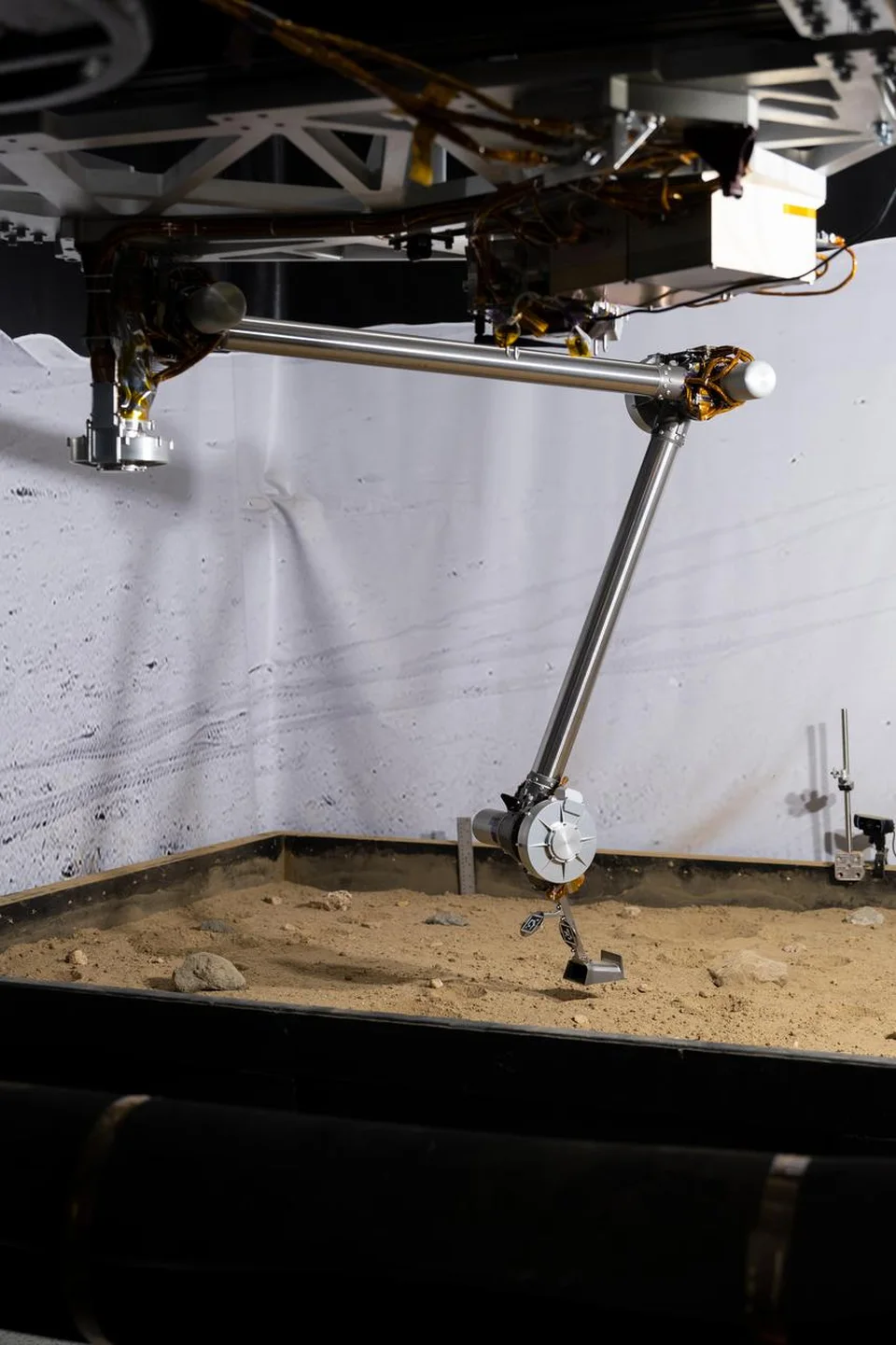
Renewed coverage of an Arkansas experiment highlights a practical space challenge: making construction materials locally. The small interlocking blocks still need stronger bonds and testing beyond Earth-like laboratory conditions.
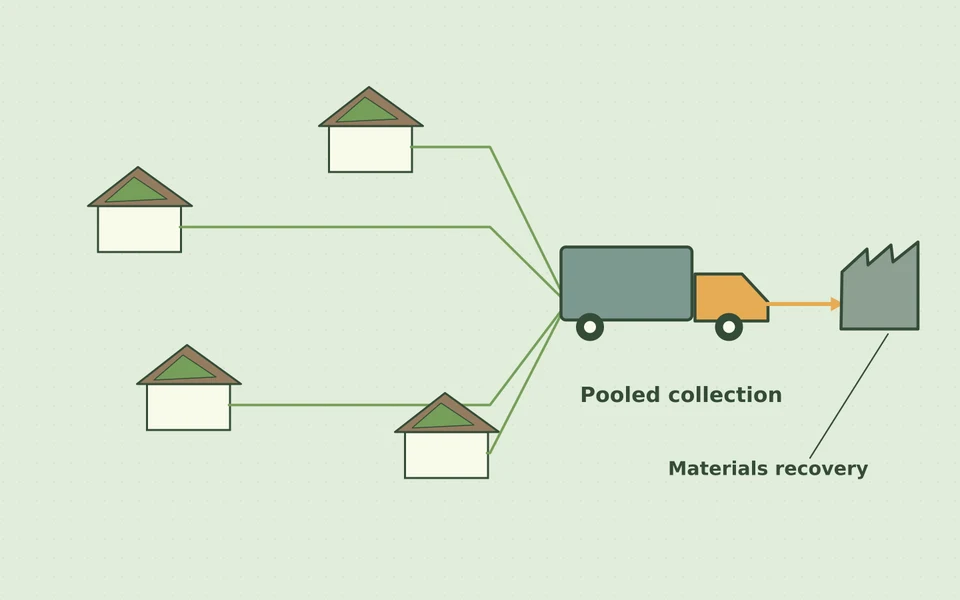
South African recyclers say rising transport costs can erase savings at the processing plant. That matters to everyone planning what happens when today’s solar panels come down.
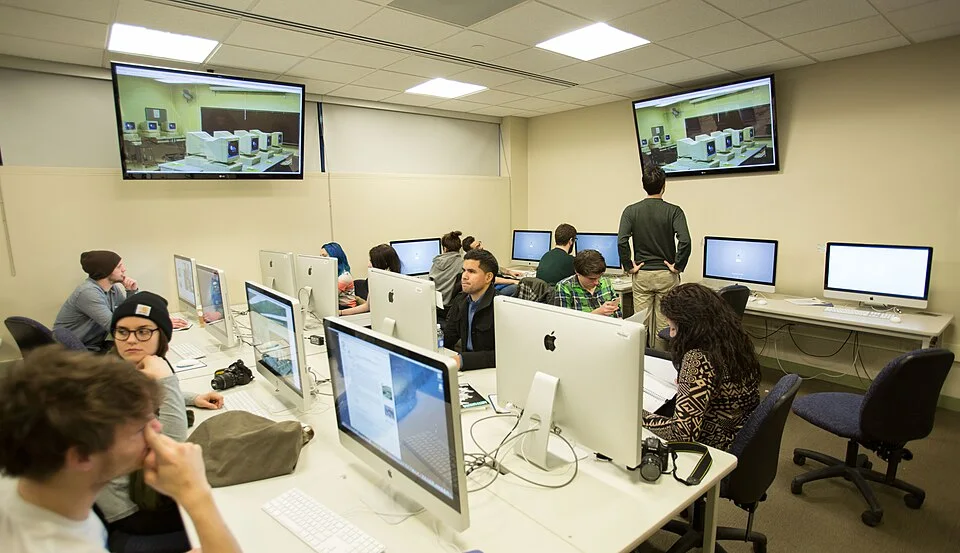
Mauritius Telecom and Cassava will assess a classroom tool already being introduced in Mauritius. Teachers have several ways to tell whether it travels well.
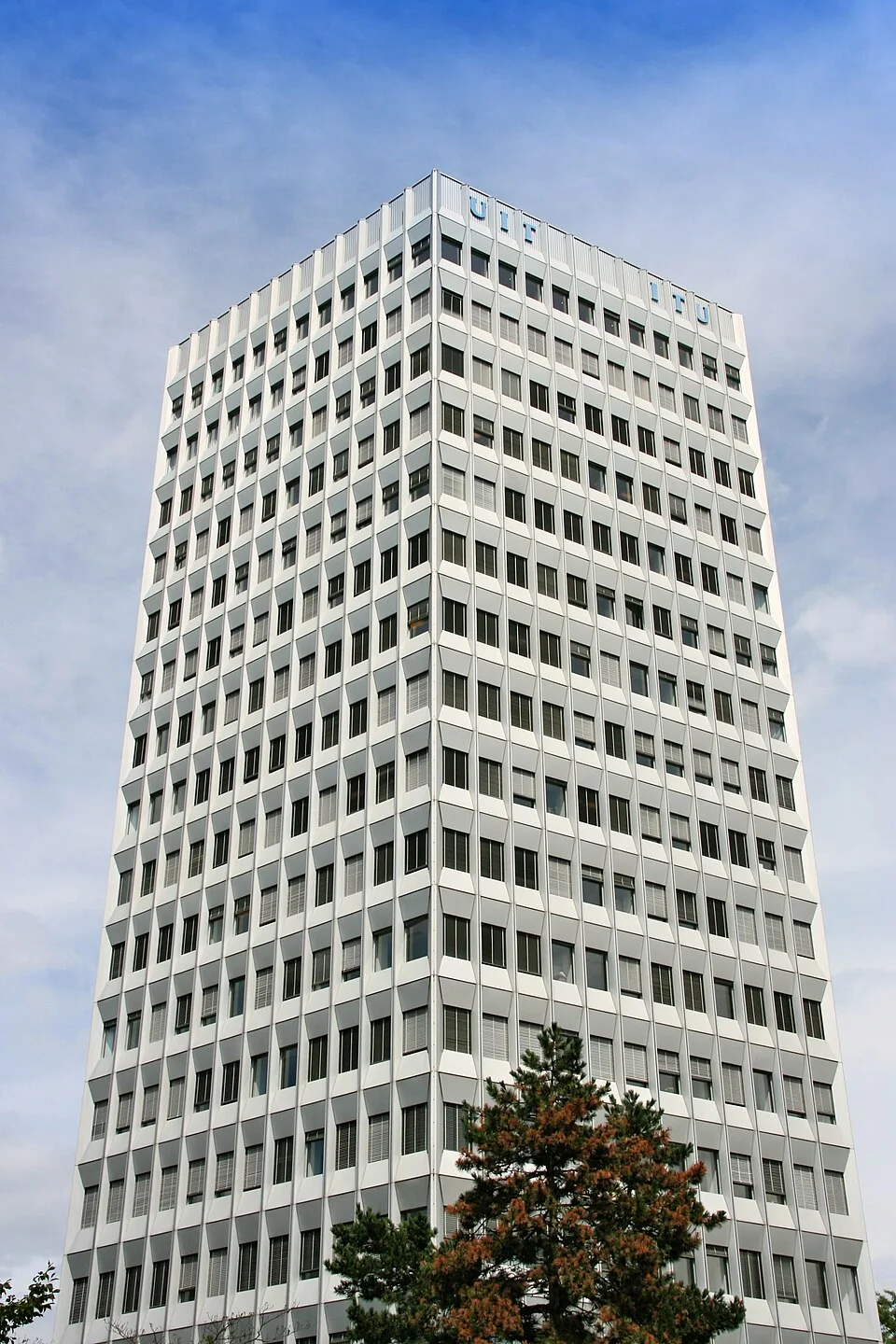
South Africa won another term on the ITU Council. A five-gigabyte data basket shows why its promise to champion affordability deserves close attention.
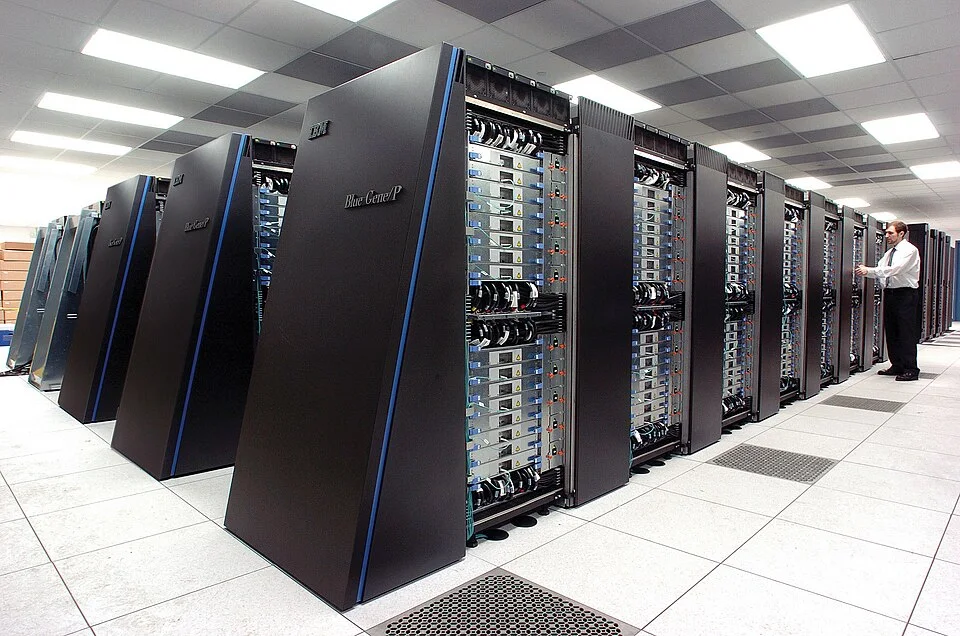
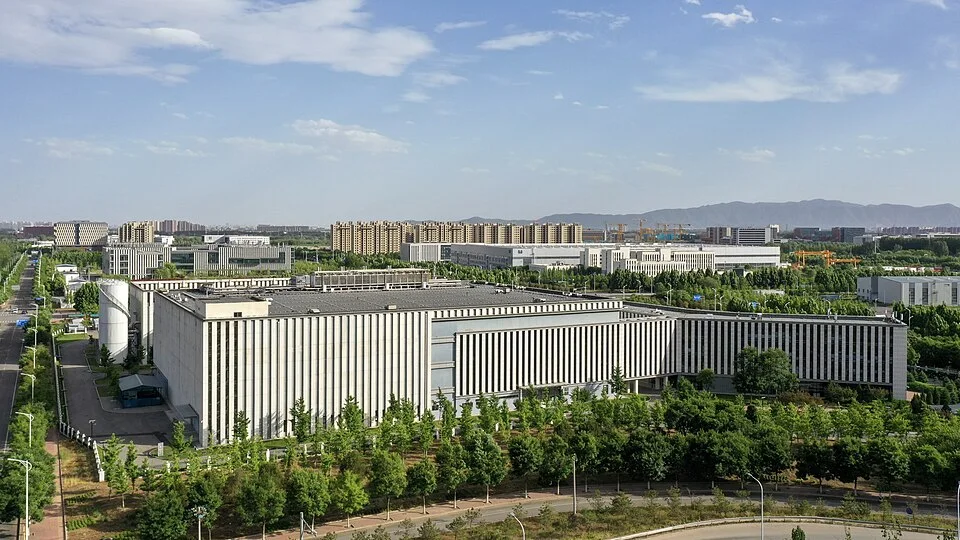
A Cape Town machine ranks 39th on the new TOP500 list. For researchers preparing for a separate national computing service to go offline, access has a more immediate meaning.
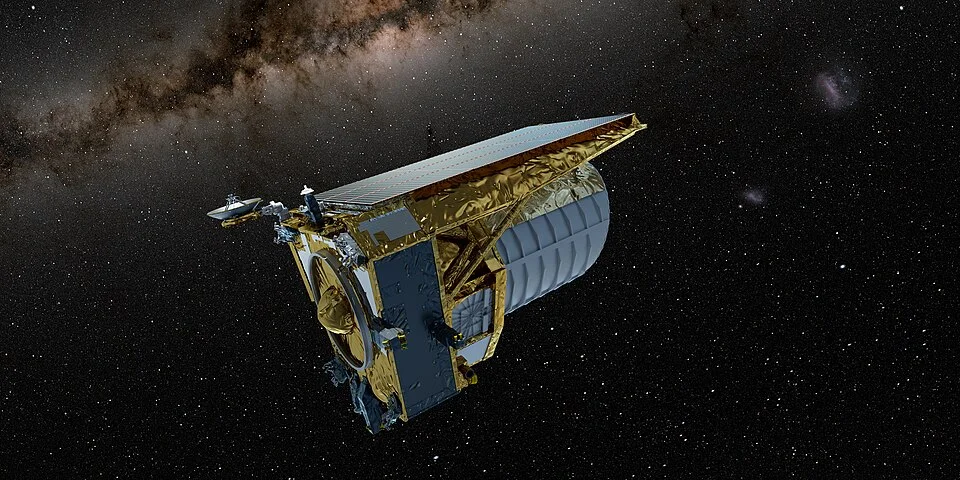
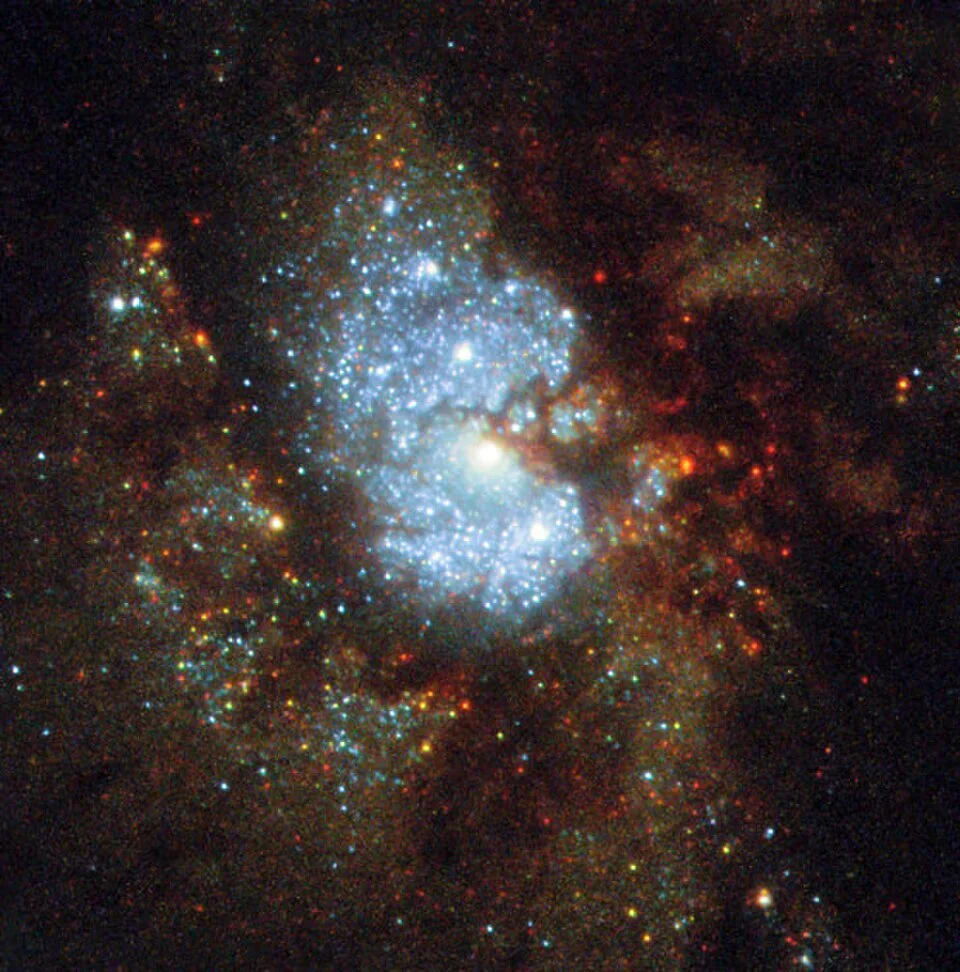
Europe’s space telescope has released its first major survey dataset. The opportunity now lies in the questions researchers can ask of it—and who gets the capacity to participate.
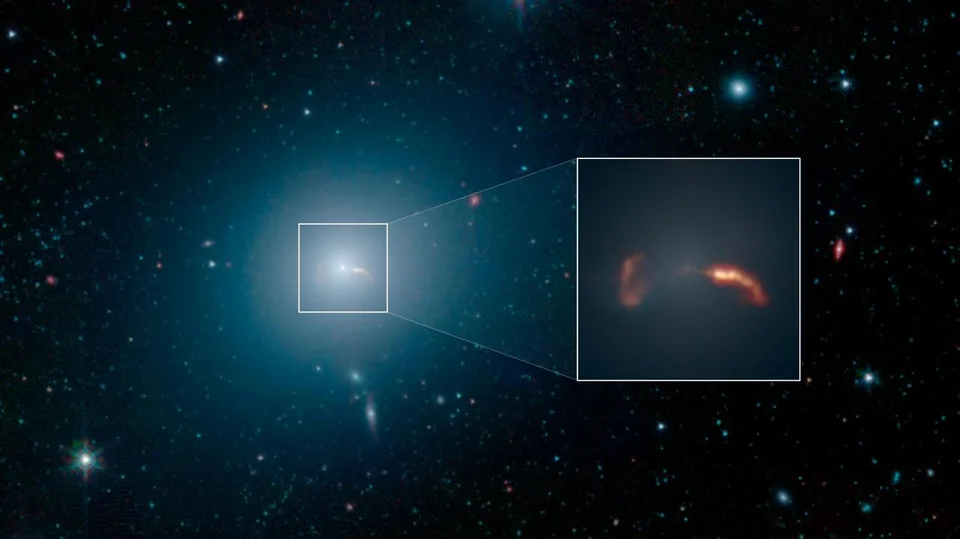
An independent reconstruction of the famous M87 image put a different question to the 2017 observations. Which part of the picture survives a change of method?
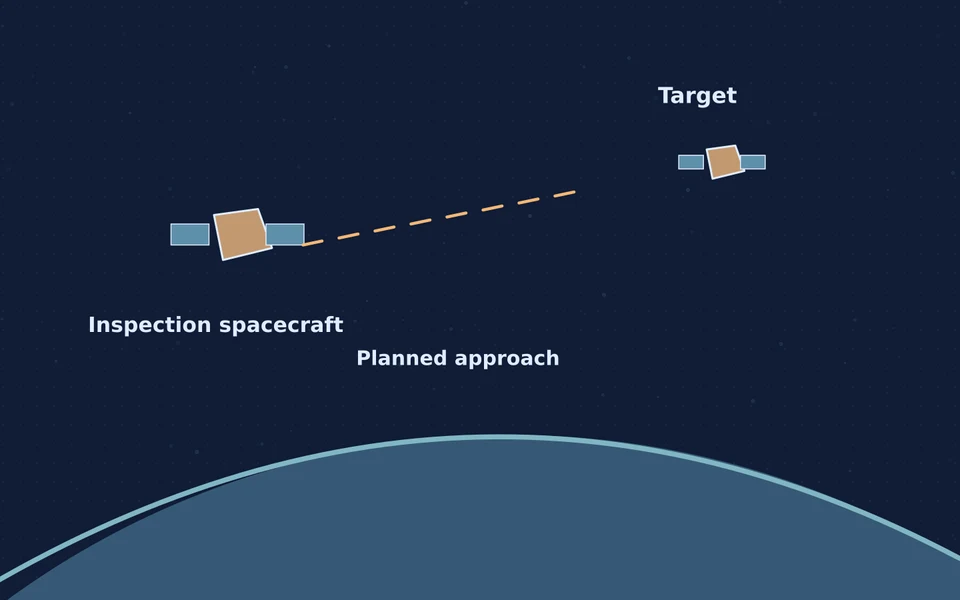
A NASA-backed satellite inspection mission ended during commissioning. The point at which it stopped tells a prospective customer which questions still need a flight to answer.
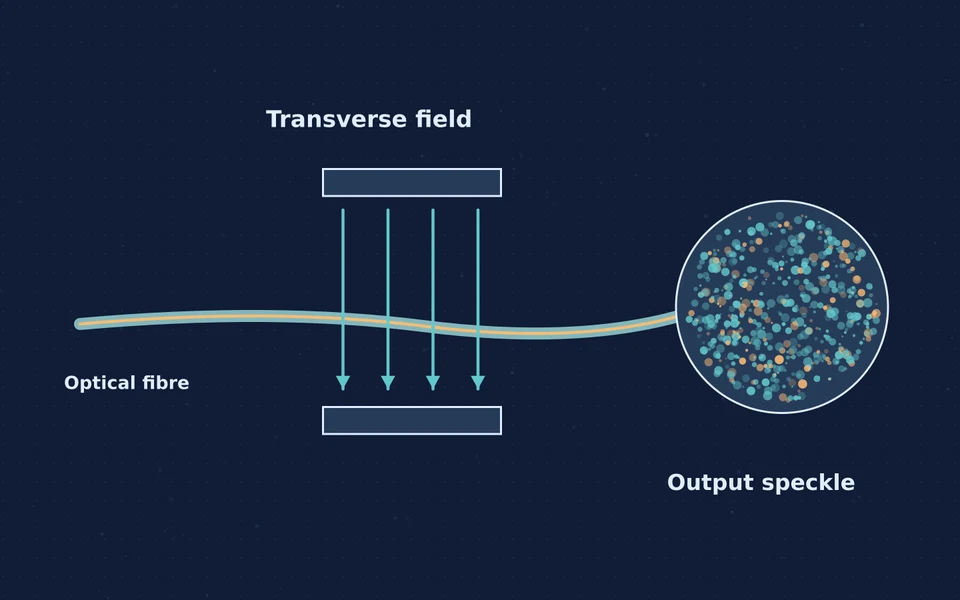
A Johannesburg team saw a pattern of light respond to a sideways magnetic field in ordinary multimode fibre. A small omission in a standard calculation explains where to look.
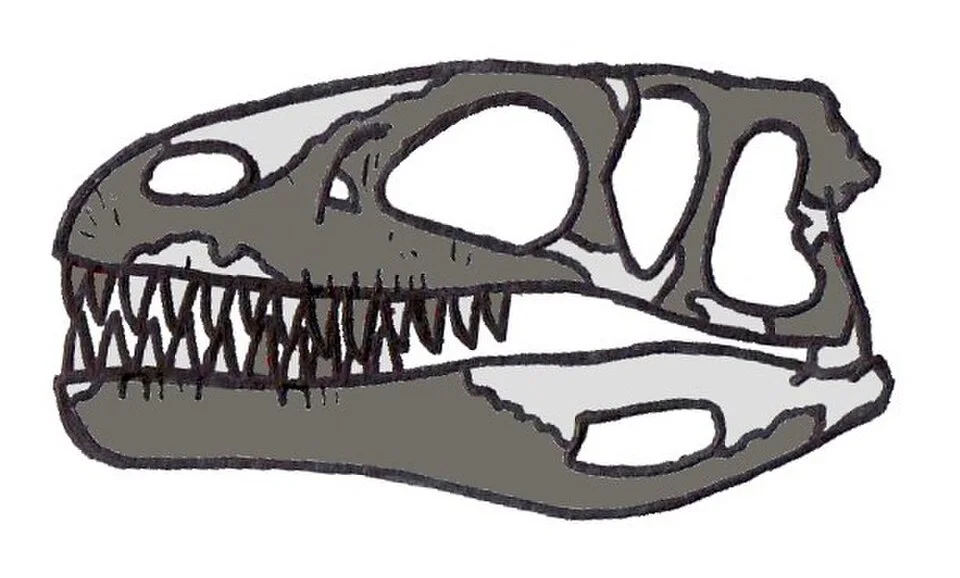
A Normandy fossil is set to enter France’s national collection. The people most interested in its address may be scientists who have not yet been born.
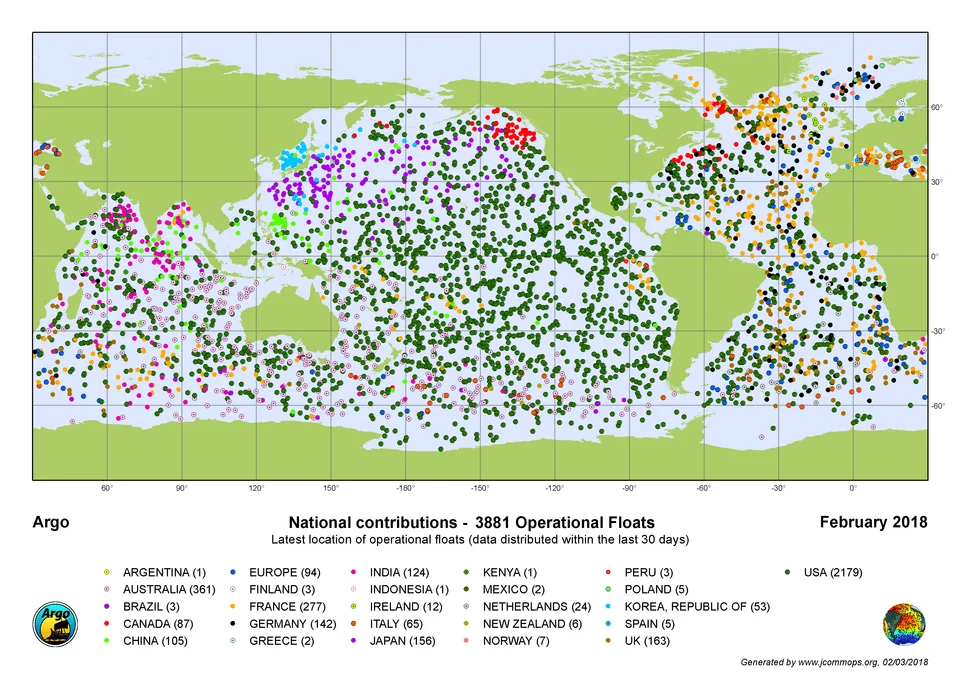
The WMO’s assessment in Antalya places nine months of surface temperatures next to ocean figures through July. Reading the dates reveals what each instrument can establish.
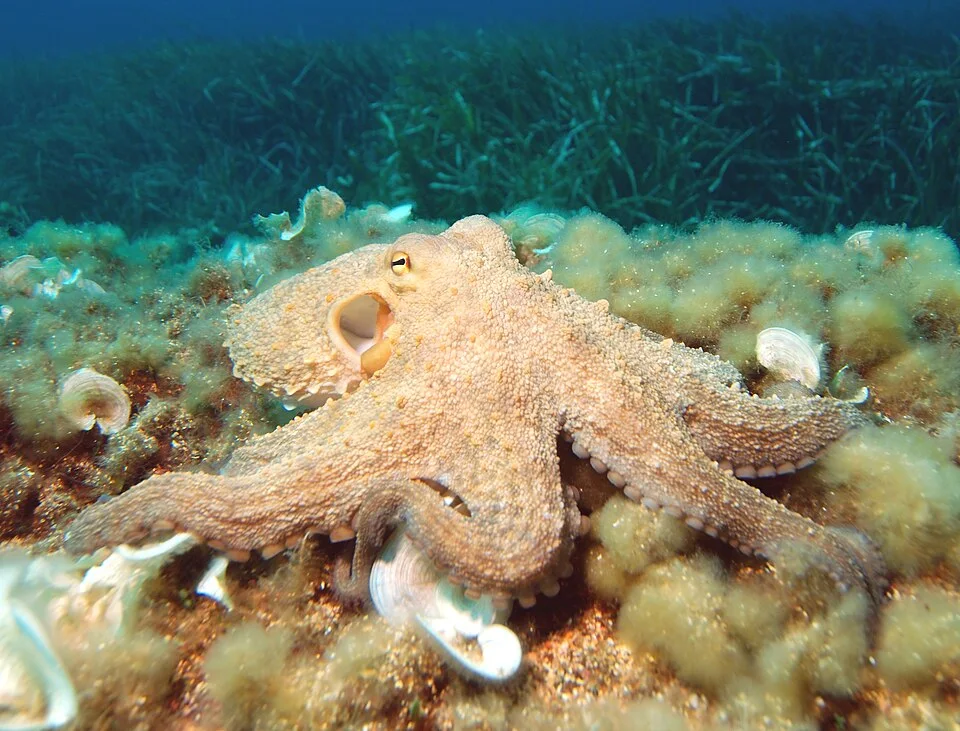
Filmed experiments reveal a difference between being flexible and knowing how to move a flexible body. Researchers hope the distinction can eventually inform soft robots.
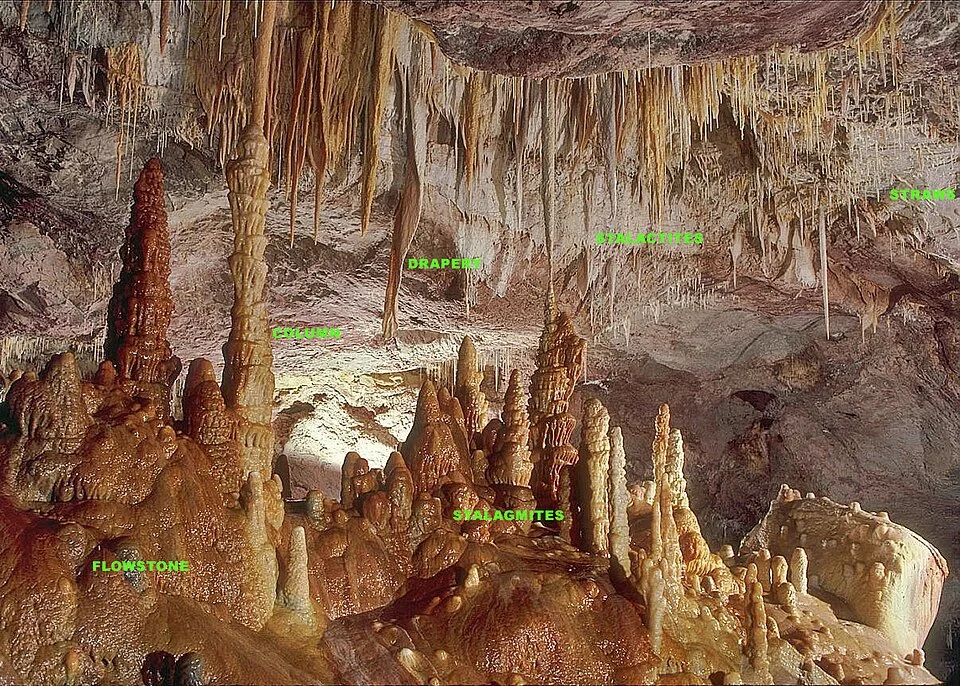
Layers in cave formations suggest that changes in Atlantic circulation unfolded over longer intervals than an abrupt signal in Greenland ice would imply.
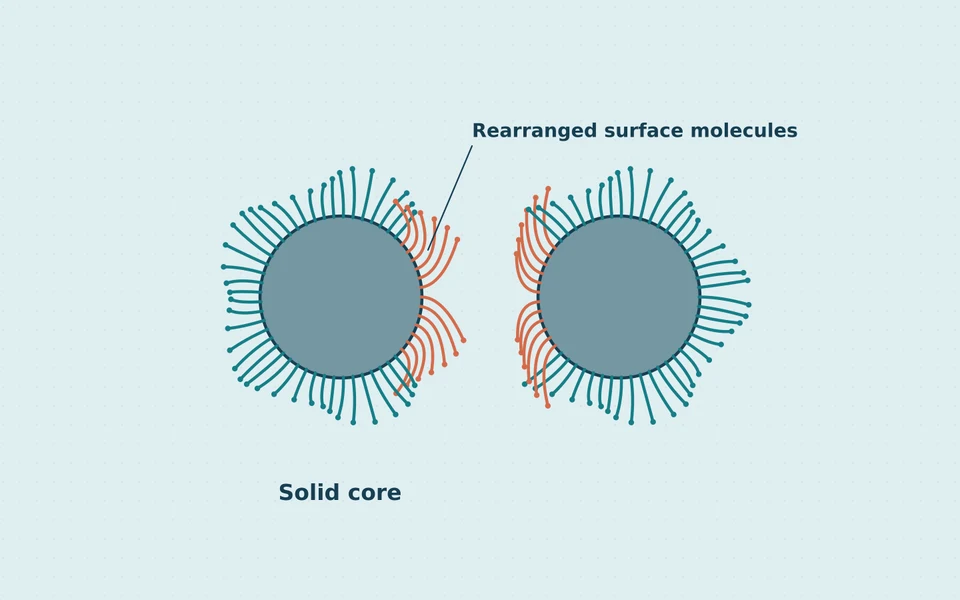
A materials study shows how flexible molecular coatings can rearrange when particles meet. That changes the architecture of a crystal even when the underlying particles have no preferred direction.
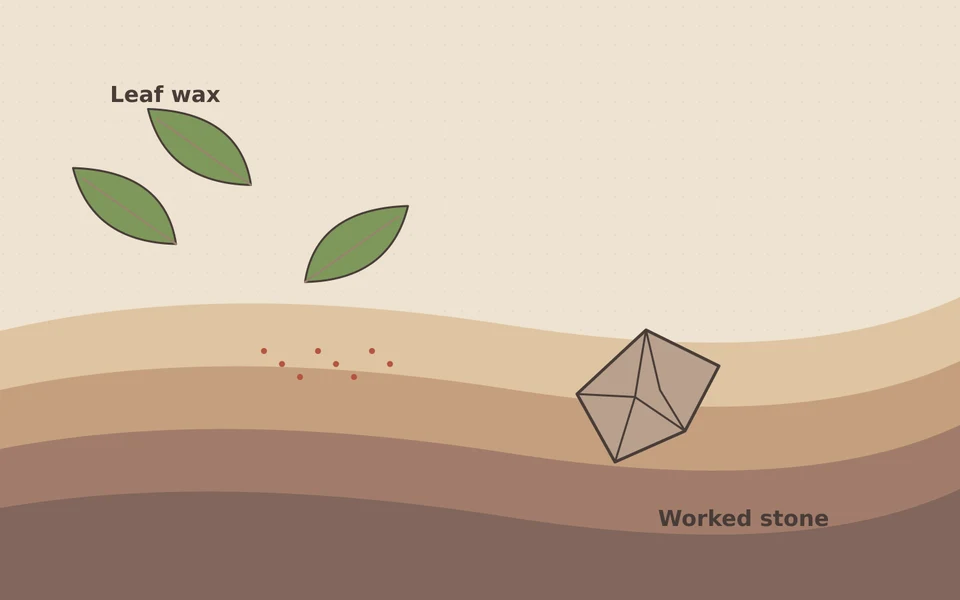
Sediment at Florisbad preserves evidence of plants and water from about 200,000 years ago. It gives researchers a way to investigate why people sometimes kept stone tools working for longer.
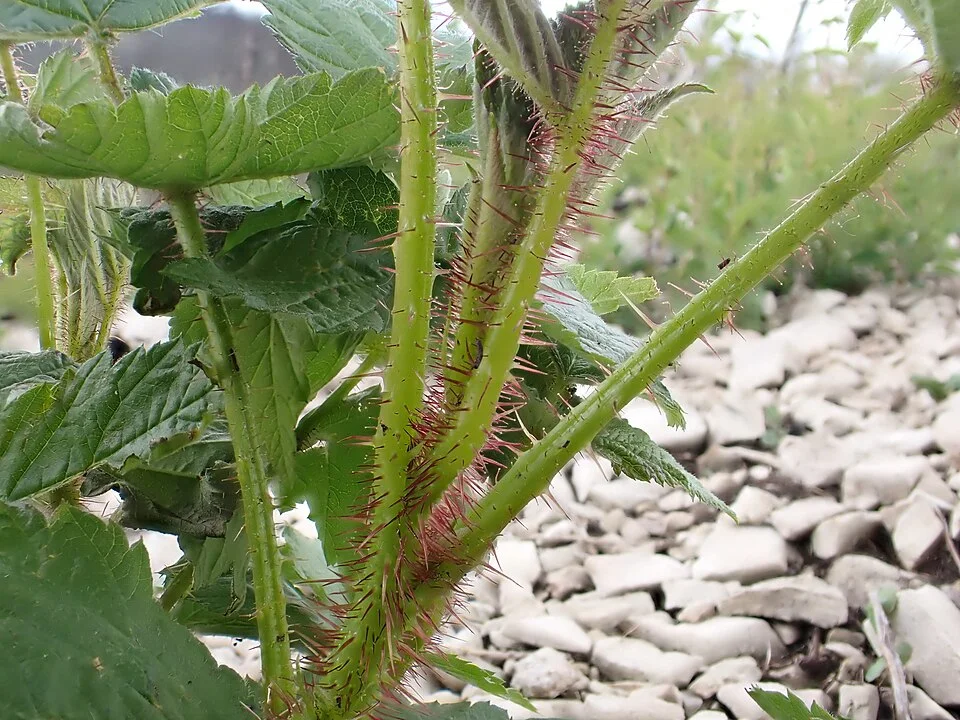
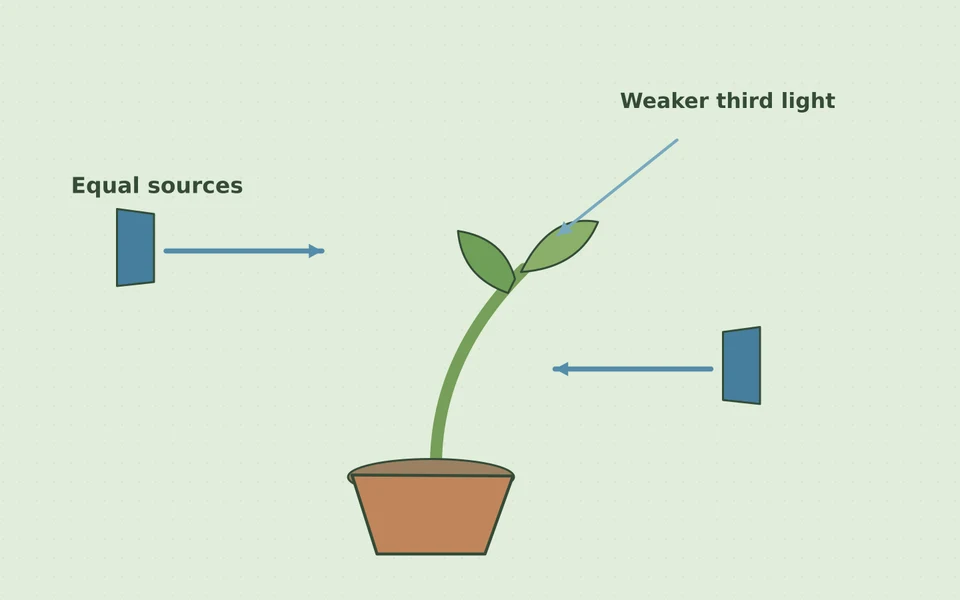
When two equally bright lamps faced each other, a weaker light to one side determined where seedlings grew. The experiment separates a measured response from an intriguing prediction about light sensing.
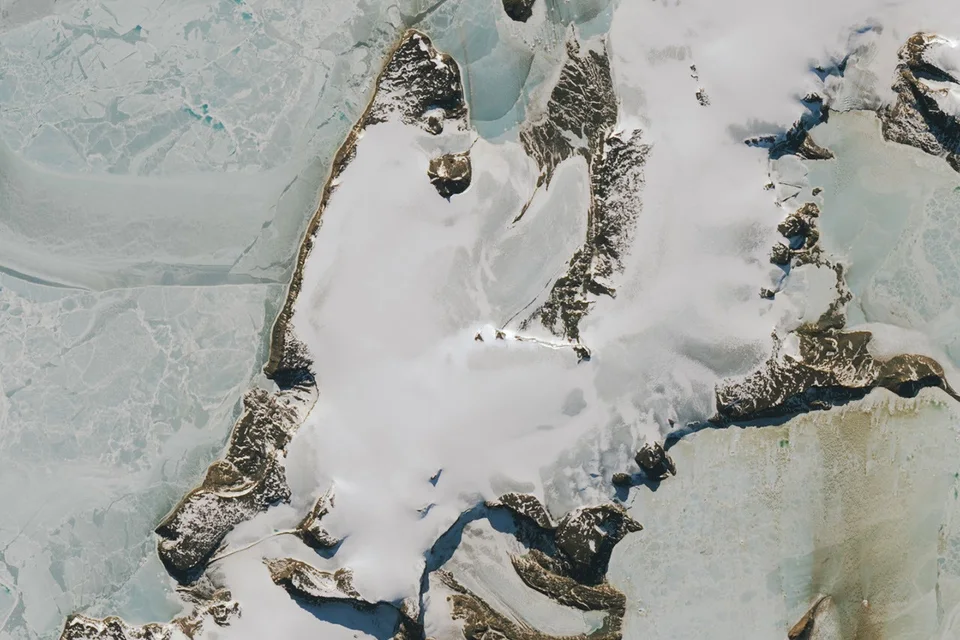
Two Landsat images published by NASA make a face out of Vega Island. Their more consequential difference is how much dark glacier ice shows through the snow.
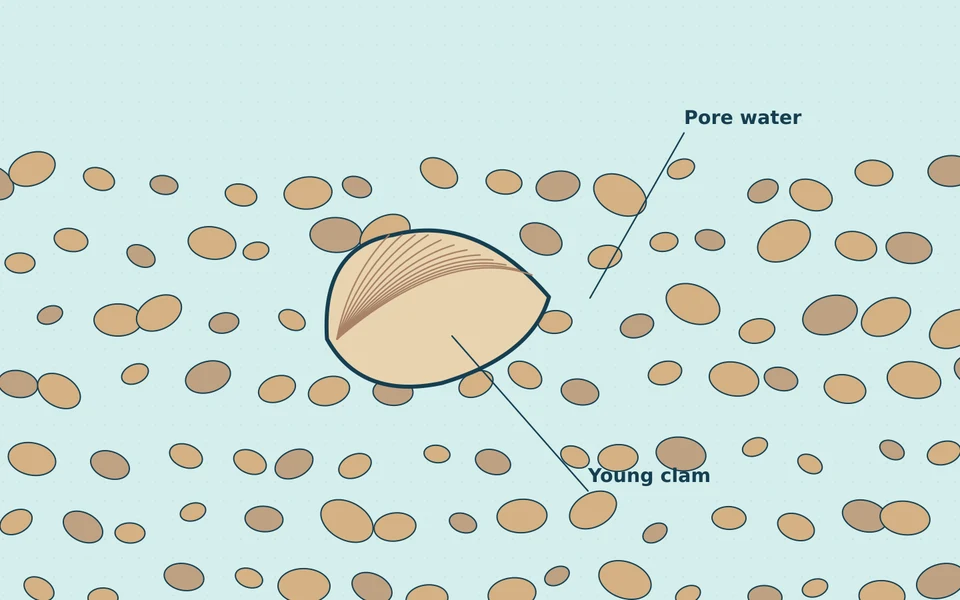
California researchers traced the effects of crushed shells in the sediment where clams live. The work helps explain a coastal practice Indigenous communities have used for generations.
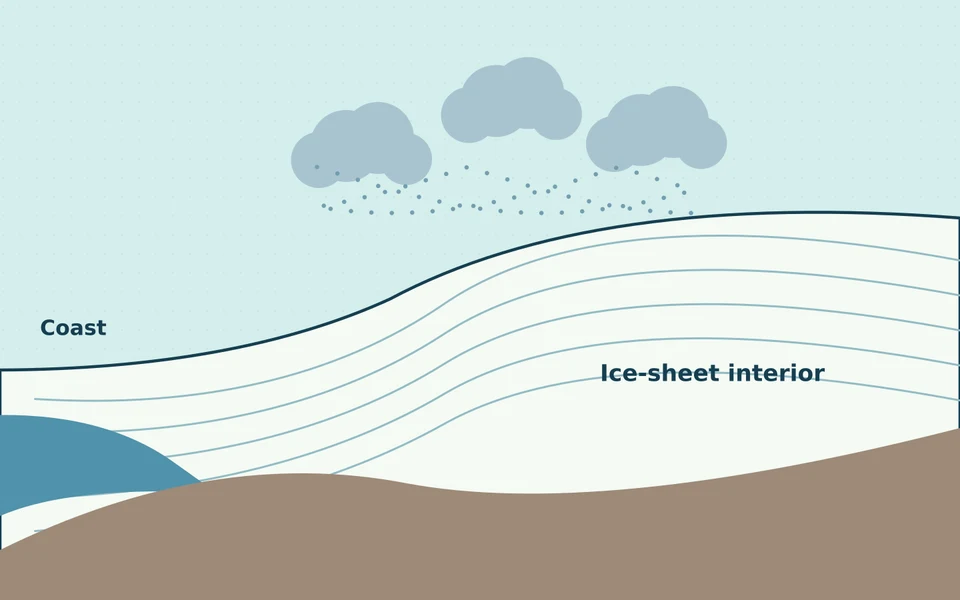
A Korean-led modelling study finds that treating snowfall and sunlight as responses to warming changes how much ice remains, especially in East Antarctica.