- The Normandy fossil is the reference specimen for Dubreuillosaurus valesdunensis.
- The 167-million-year-old theropod was the subject of a 9 November acquisition report.
- Collections allow later researchers to re-examine named specimens.
Inside this story 2 perspectives
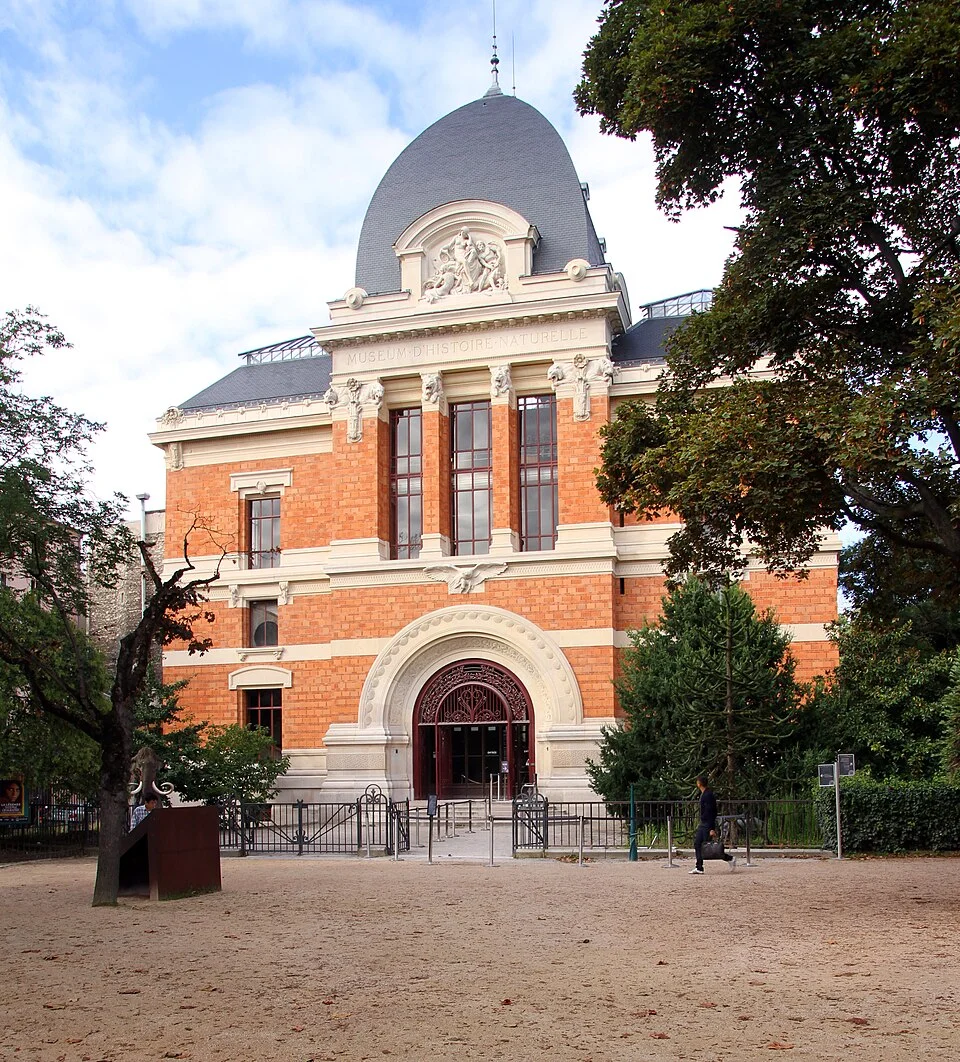
A 167-million-year-old dinosaur from Normandy was in the news in Paris on 9 November because its future address had changed. Euronews reported that the fossil of Dubreuillosaurus valesdunensis would enter the national natural history collection ahead of a planned auction. For palaeontologists, where the bones will be kept is part of the scientific story. These are the bones to which the species name is attached.
Researchers use a type specimen as a permanent reference when they describe a species. A later scientist who finds a similar fragment elsewhere can return to the reference and compare the two. Photographs and written descriptions help. Sometimes the next question requires a measurement nobody thought to make when the first paper was published, or a closer look at a surface that did not appear particularly important at the time.
A specimen with a number as well as a name
The French museum’s catalogue gives individual fossil parts identifiers that can follow them through the literature. That can sound like the least interesting aspect of a carnivorous dinosaur. Try imagining the research without it. Two scientists discussing the curvature of a particular bone need confidence that they are looking at the same object, that the label still matches the specimen and that a later researcher can find it again.
The skull is especially valuable. The report describes it as unusually complete and well preserved among European theropods. A comparatively complete example gives researchers features that can be compared with more fragmentary finds. It also helps constrain what a reconstruction can reasonably show. The same skull can become more informative when another specimen is found, even if nothing about the original fossil has changed.
Who gets to ask the next question?
Public collections can preserve the connection between an object, its records and expertise about its care. That arrangement still calls for decisions. A research request has to be assessed, a fragile part may need special handling, and a specimen displayed to the public must remain properly documented when it leaves a store. An accession is the start of that continuing duty. An announcement about a future collection home says little about when a visitor will first be able to see the bones.
The immediate argument over a specimen of this kind often concerns who gets to own it. Research adds a longer time horizon. The most important question put to these Normandy bones might come from a student looking at a completely different fossil many years from now. That student will need to know what to compare it with, where to look and whom to ask for access. A permanent address is one of the discoveries today’s researchers can leave to the next generation.