Business & Power
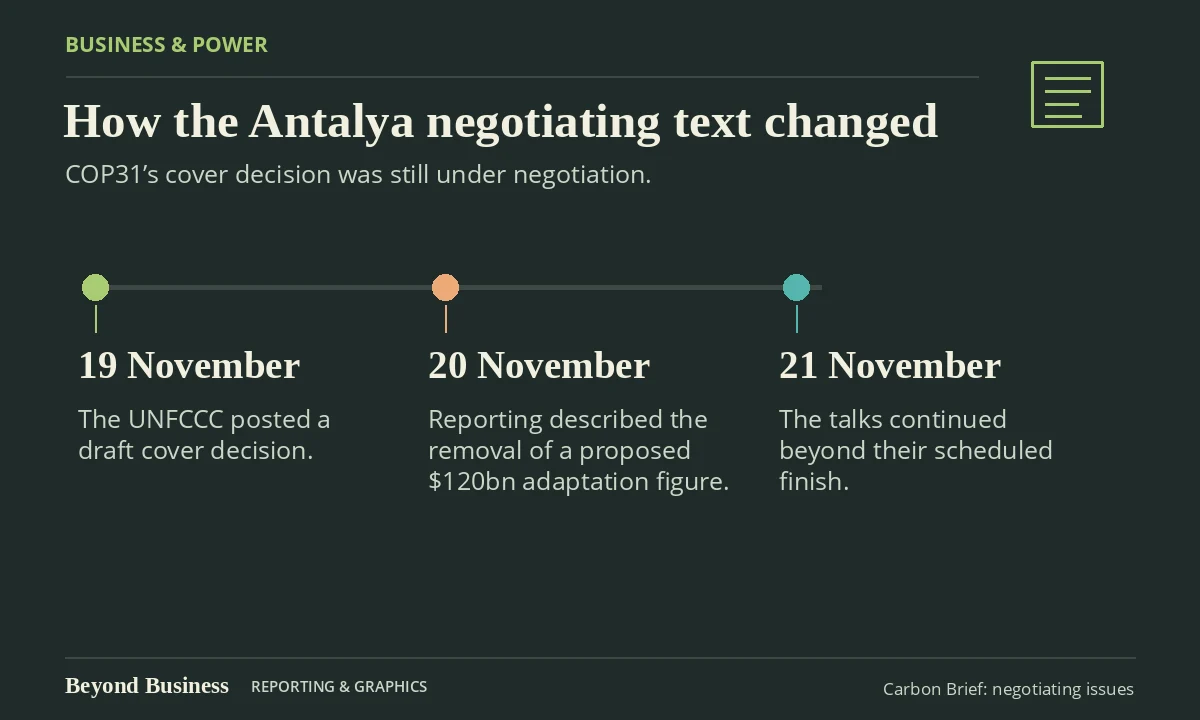
COP31 runs into overtime, with climate funding still at stake
As negotiations in Antalya continue, draft language remains a proposal. For African economies, the test is whether ambition translates into usable finance and delivery.
As negotiations in Antalya continue, draft language remains a proposal. For African economies, the test is whether ambition translates into usable finance and delivery.
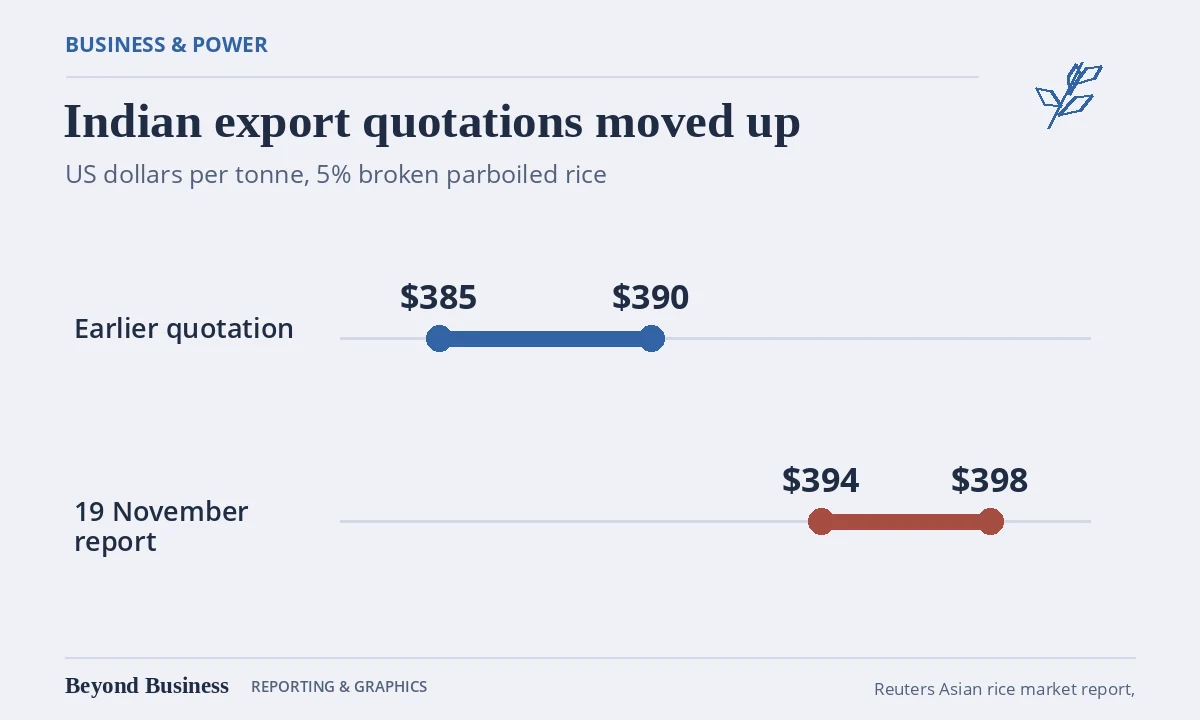
Indian parboiled rice fetched a higher export quote this week. From the port to a family kitchen, the price signal travels through freight bills, existing stocks and competition from local mills.
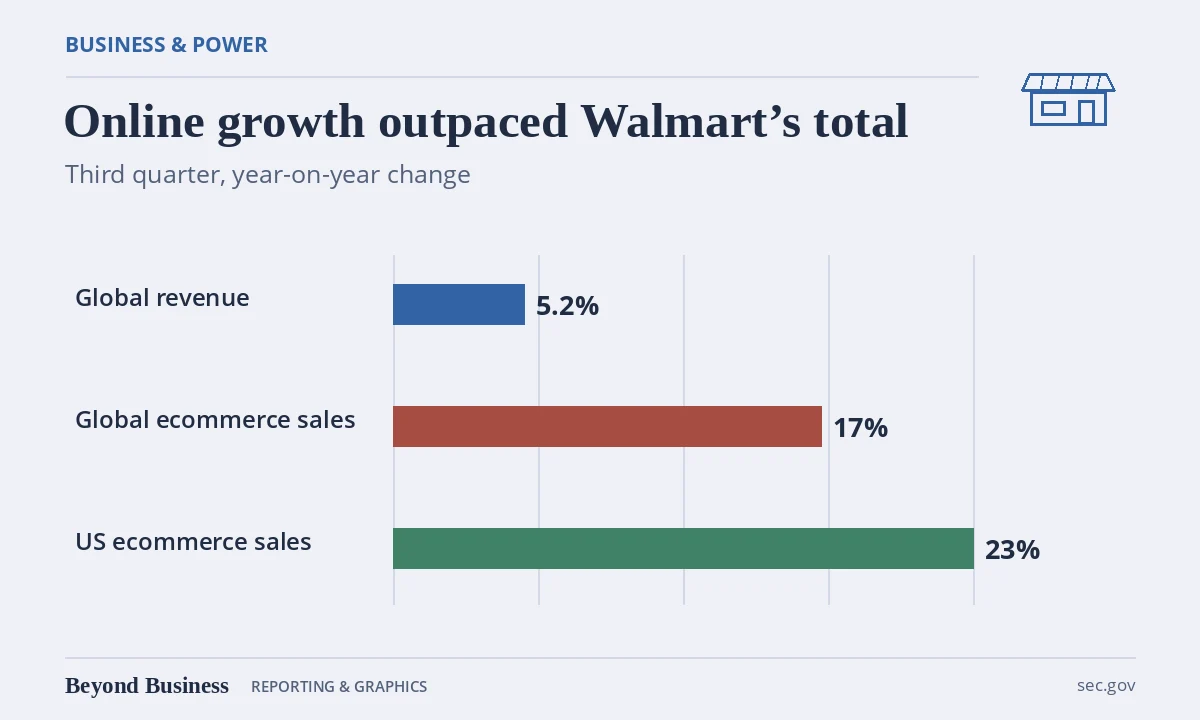
Walmart reported 17% growth in global ecommerce sales. Its stores did much of the work behind that figure, a model already familiar to shoppers in South Africa.
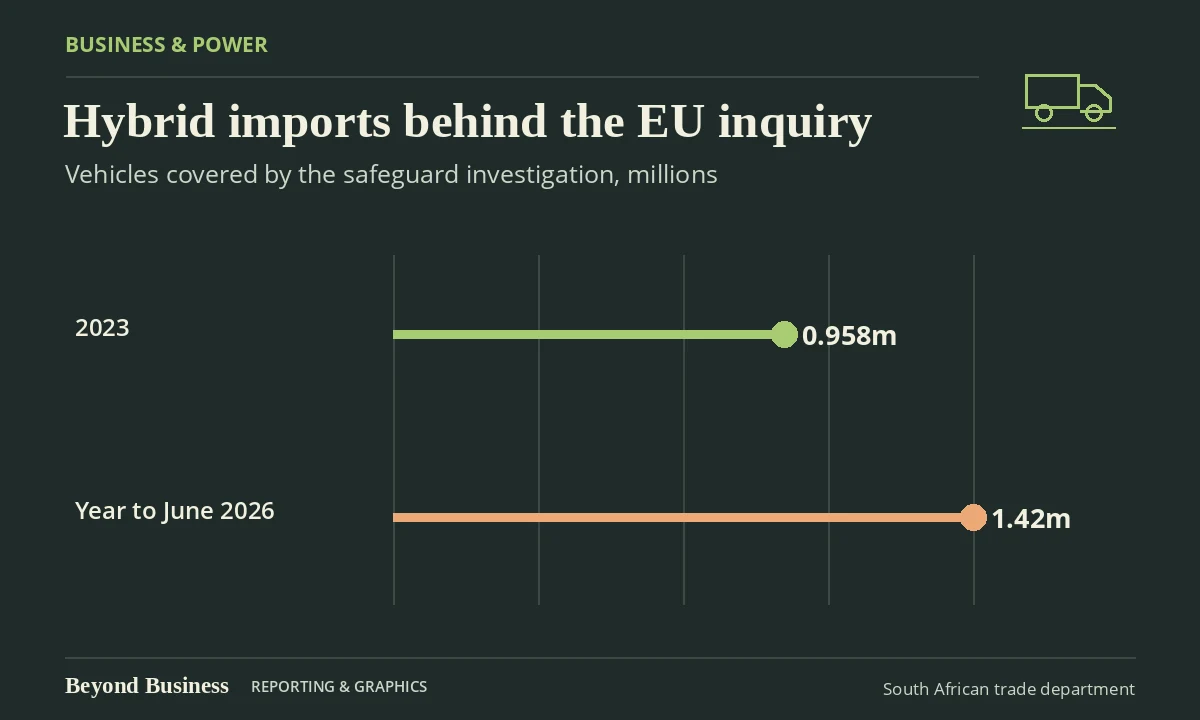
South Africa is preparing its case in an EU trade investigation. A possible restriction on certain hybrids could reach component makers well before a car rolls onto a ship.
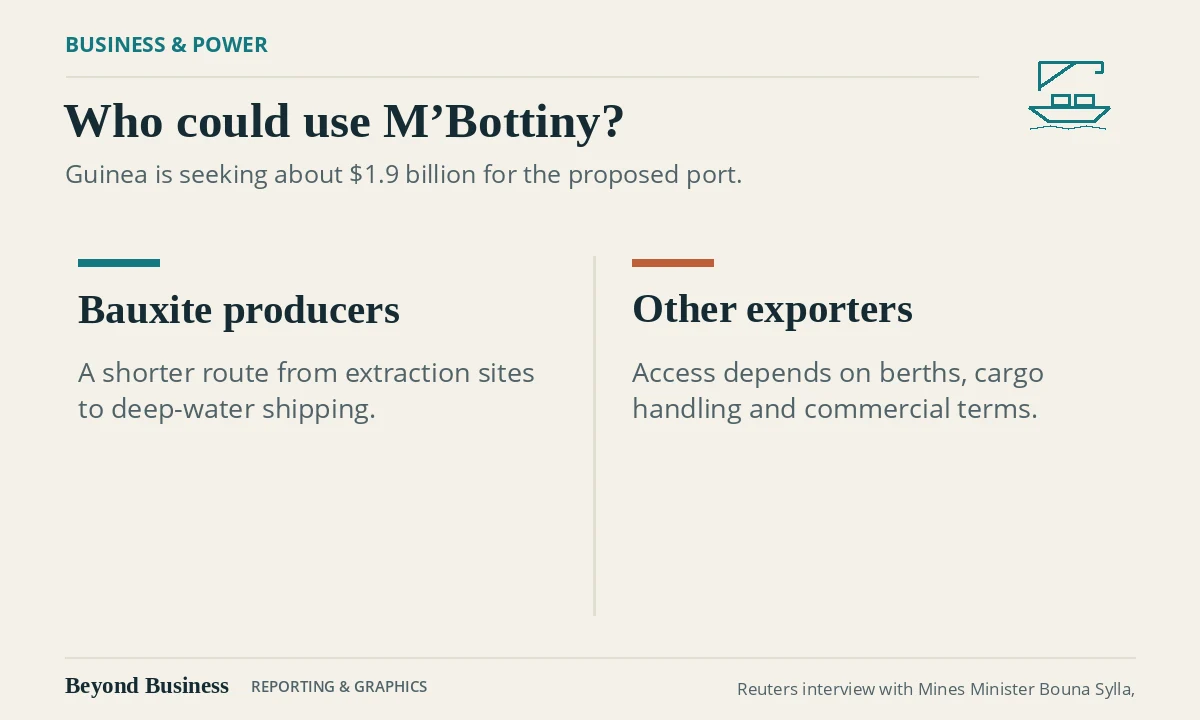
M’Bottiny could give bauxite producers a shorter route to large ships. The harder commercial question is whether manufacturers and traders can count on a berth of their own.
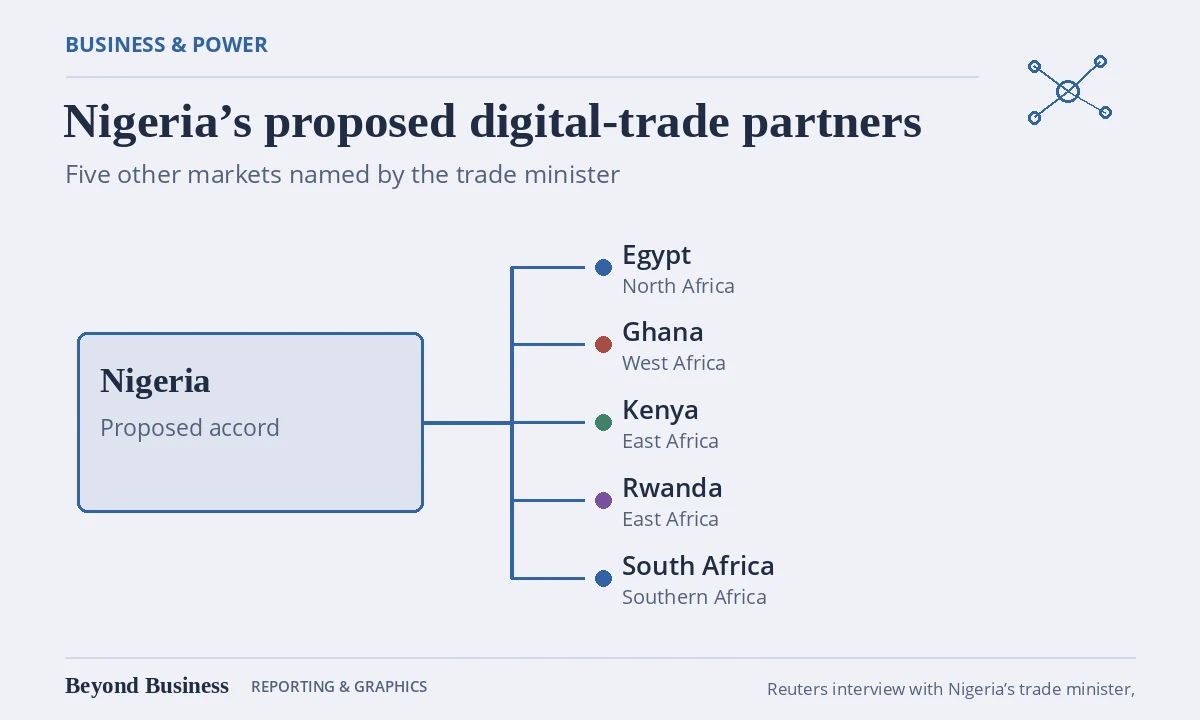
Nigeria expects a digital trade accord with five other African countries. For a small exporter, its value will come down to the paperwork between winning a customer and getting paid.
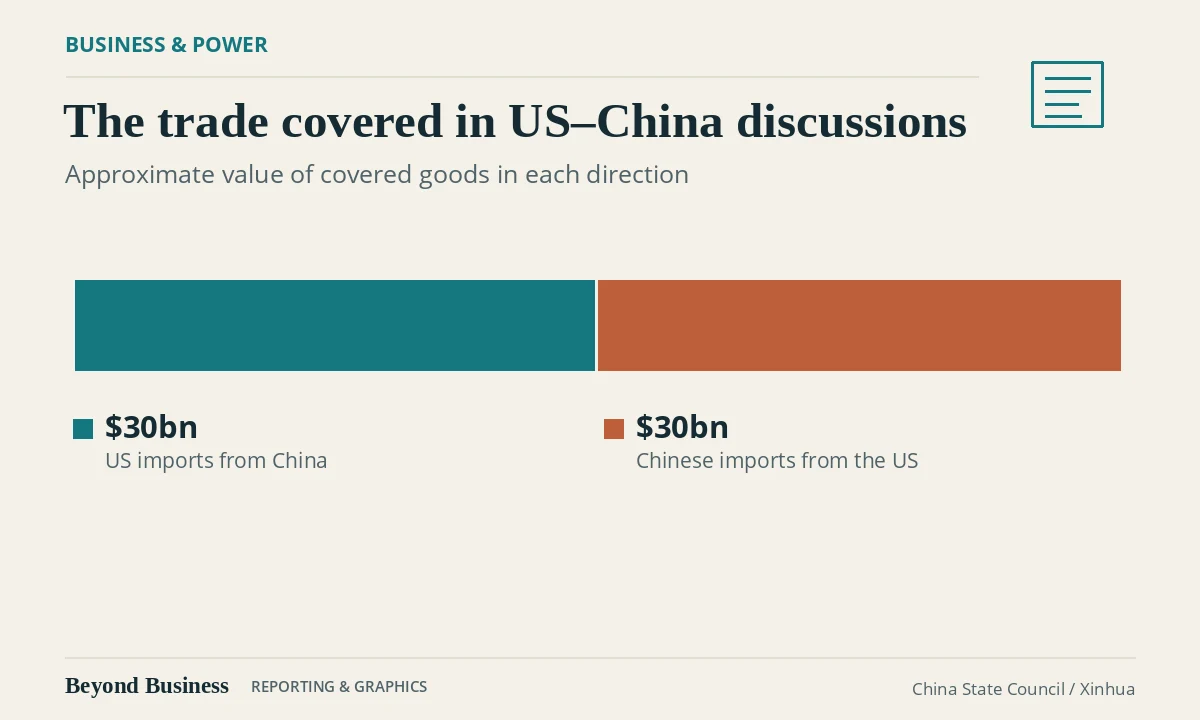
The first meeting of a new bilateral trade council puts tariff relief back in focus. For businesses inside and outside the two economies, the detail will determine who actually benefits.
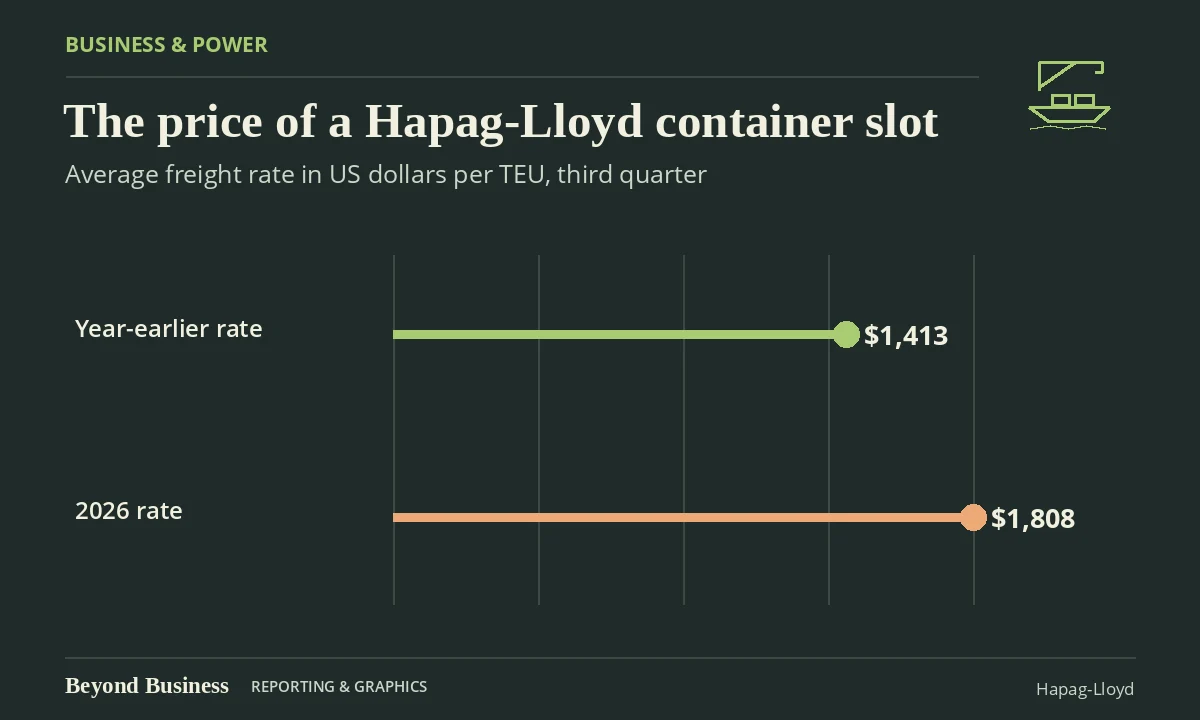
Quarterly volumes scarcely moved while the average freight rate rose by US$395 per twenty-foot equivalent. An exporter still needs a different number to price the next order.
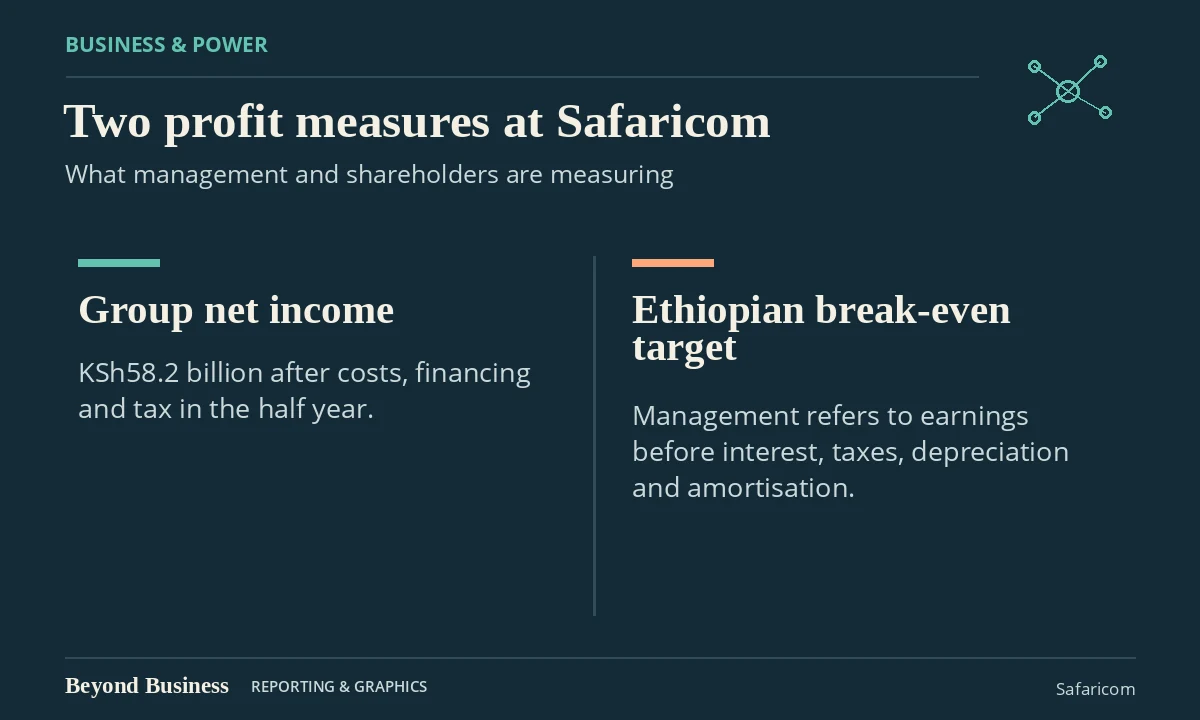
Kenya’s established network and Ethiopia’s younger operation sit inside one set of accounts. A first break-even target in Ethiopia has a precise meaning for shareholders.
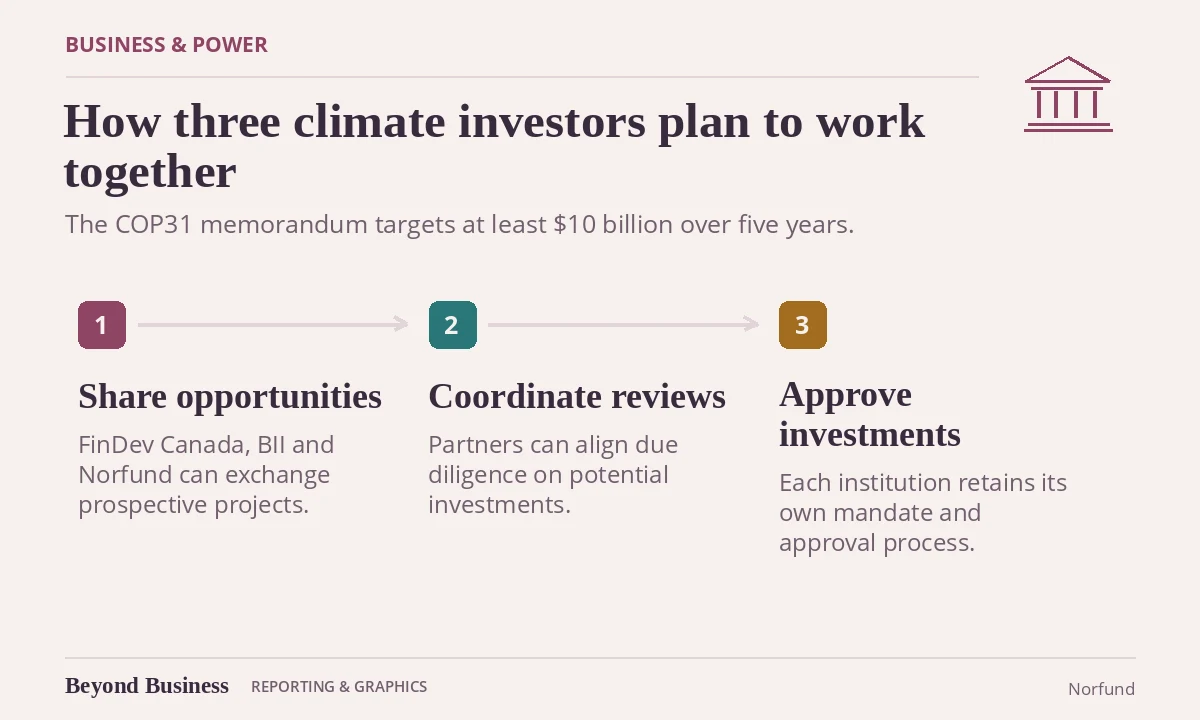
A new agreement at COP31 sets a substantial mobilisation ambition. The detail matters for businesses hoping to turn climate projects into investable propositions.
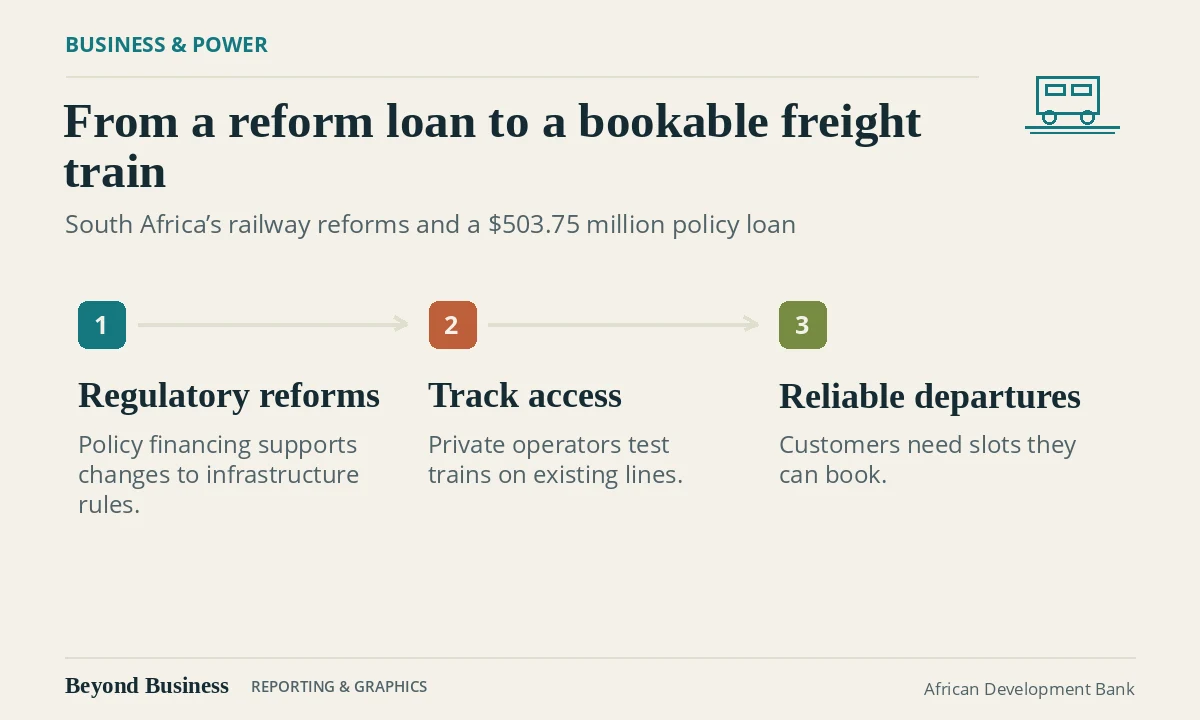
The African Development Bank has approved US$503.75 million for infrastructure reforms. An exporter can judge progress by the departure a rail operator is willing to promise.
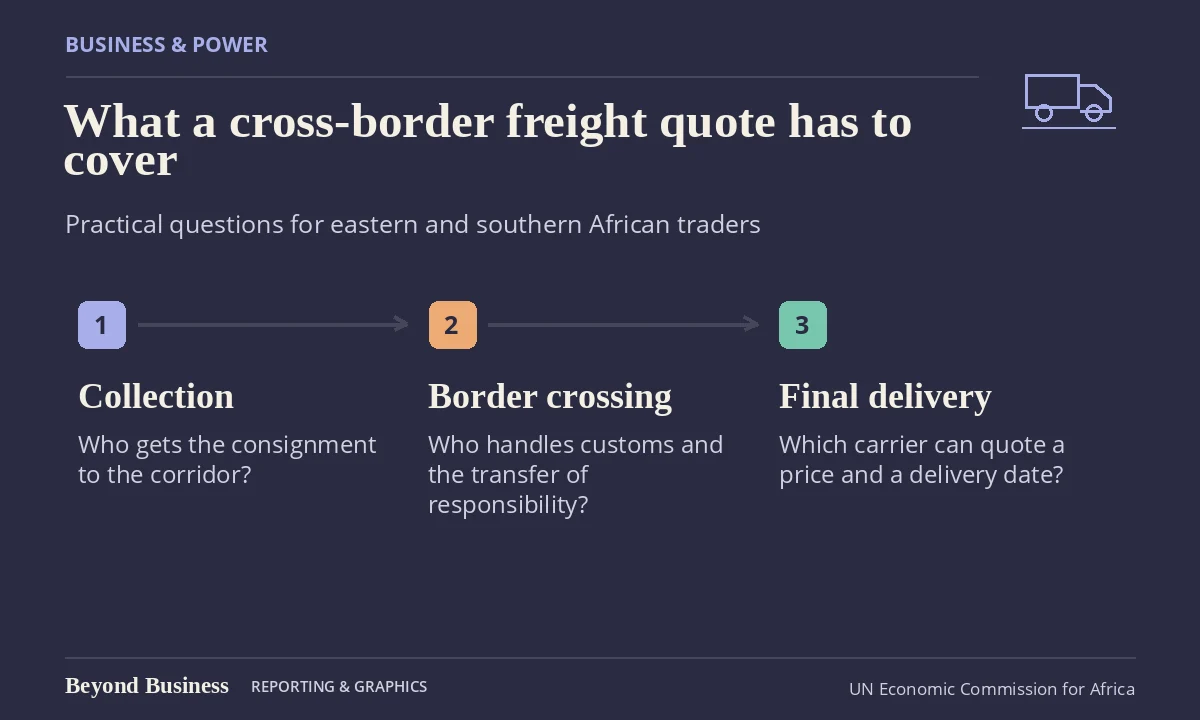
A paper before officials in Windhoek finds that three corridors connect two regions with four shared economic organisations. A trial order tells a trader what the map leaves out.
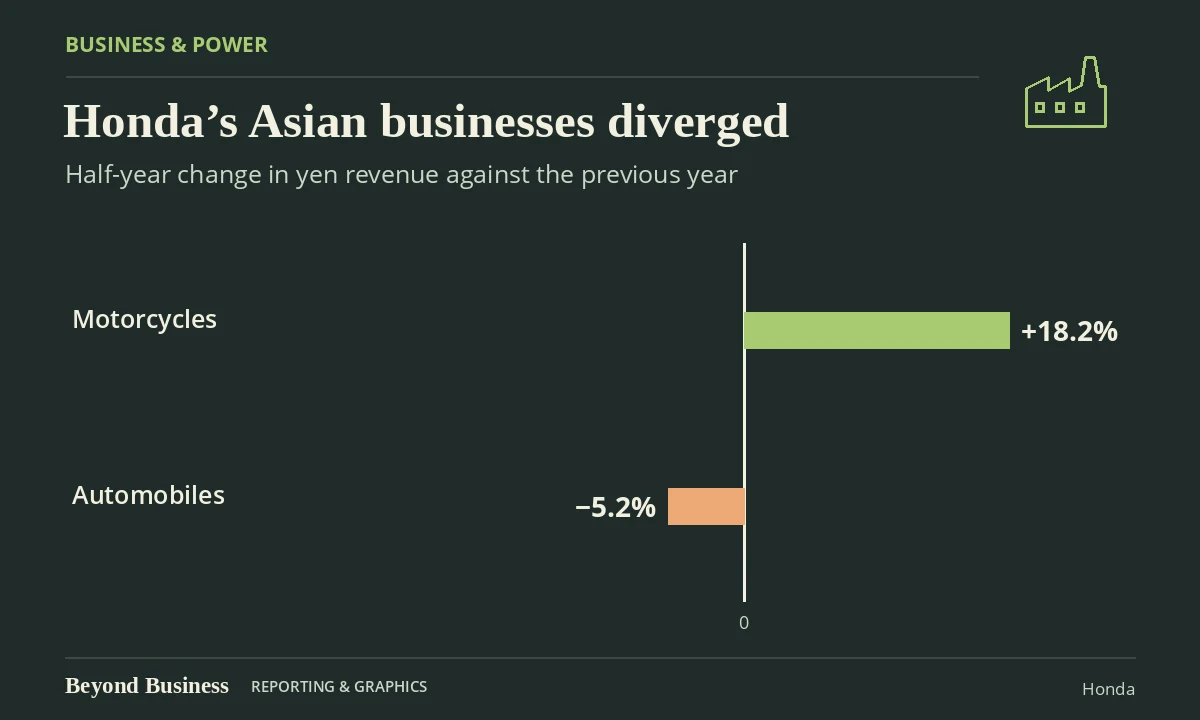
Motorcycle revenue rose 18.2% in Honda’s Asian segment while car revenue there fell 5.2%. Consolidated growth conceals two different markets.
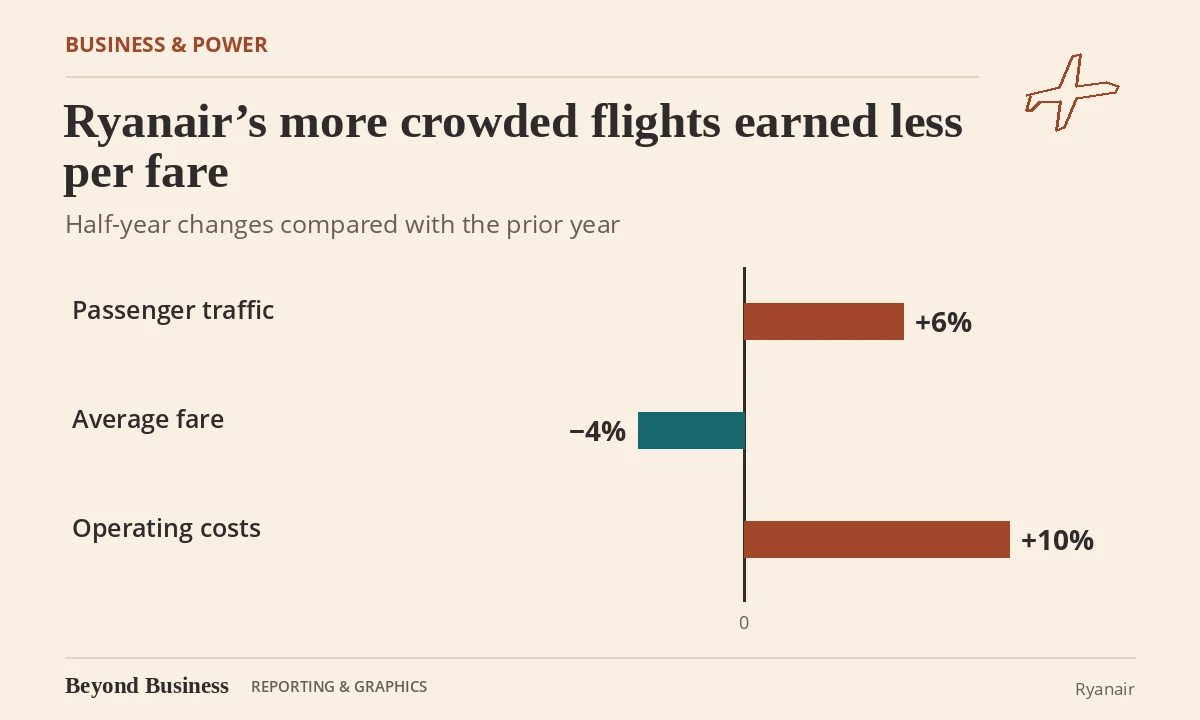
Traffic rose 6% in the half year to September, while fares and profits fell. The ticket price tells only part of the story when a share of the fuel is unhedged.
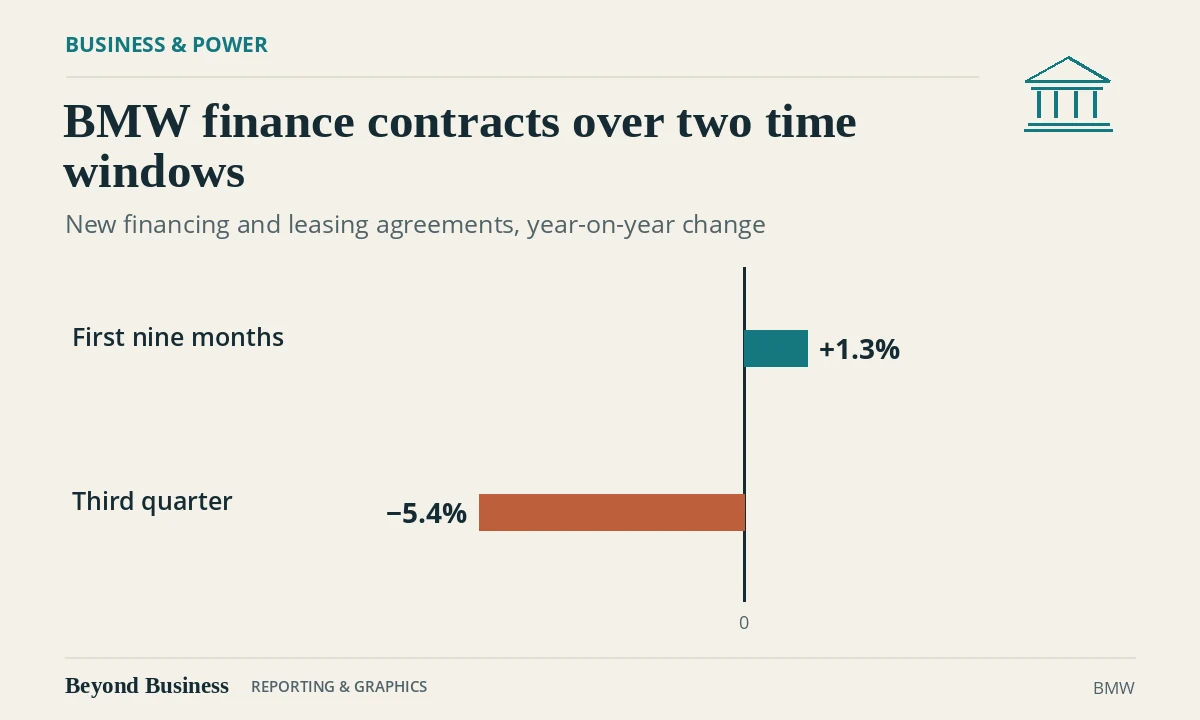
BMW’s finance arm wrote almost 1.3 million new agreements in nine months. Follow the contract as well as the car to see how a manufacturer makes money.
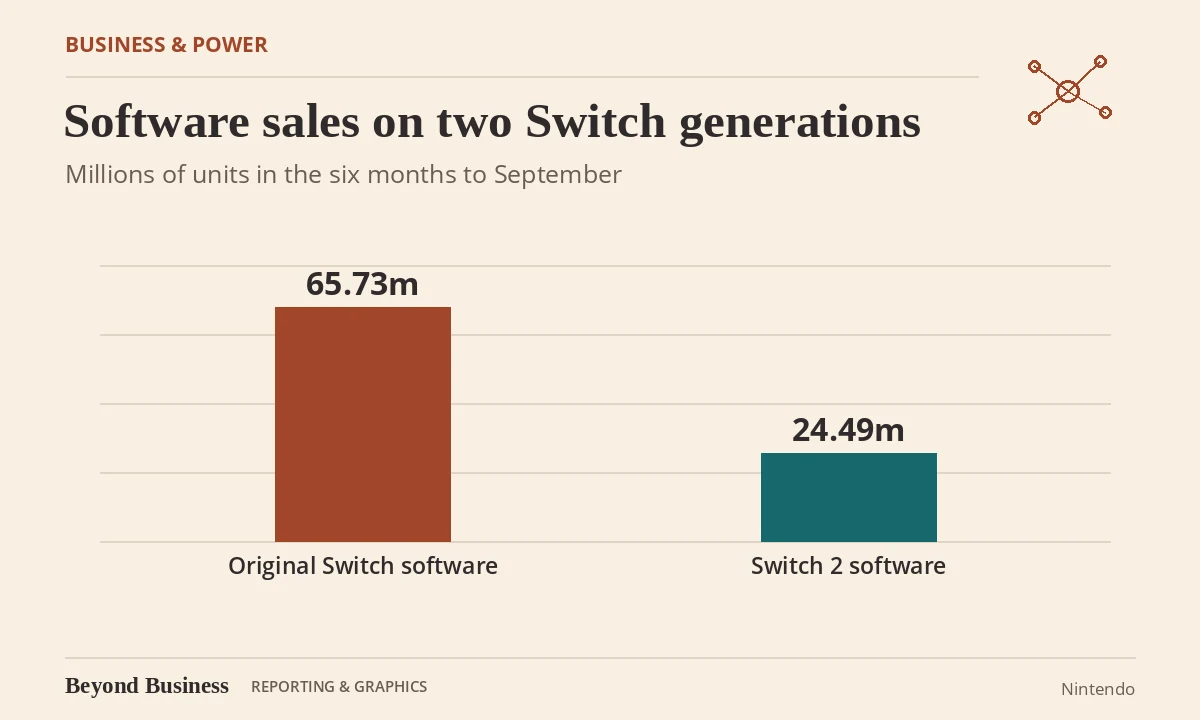
The half-year figures put a price on an overlooked customer, the player whose console is already sitting under the television.
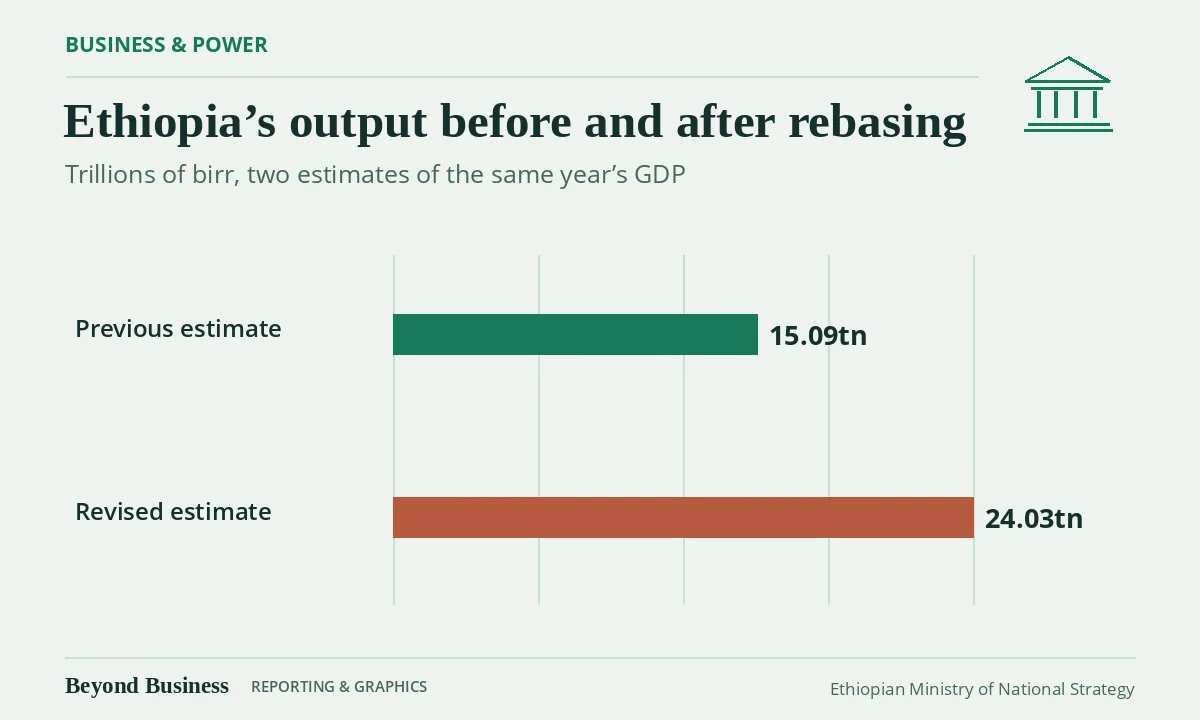
A new calculation puts 2024/25 output 59.2% above the old estimate. Understanding the difference between a revision and a year of growth changes how investors should read the figures.
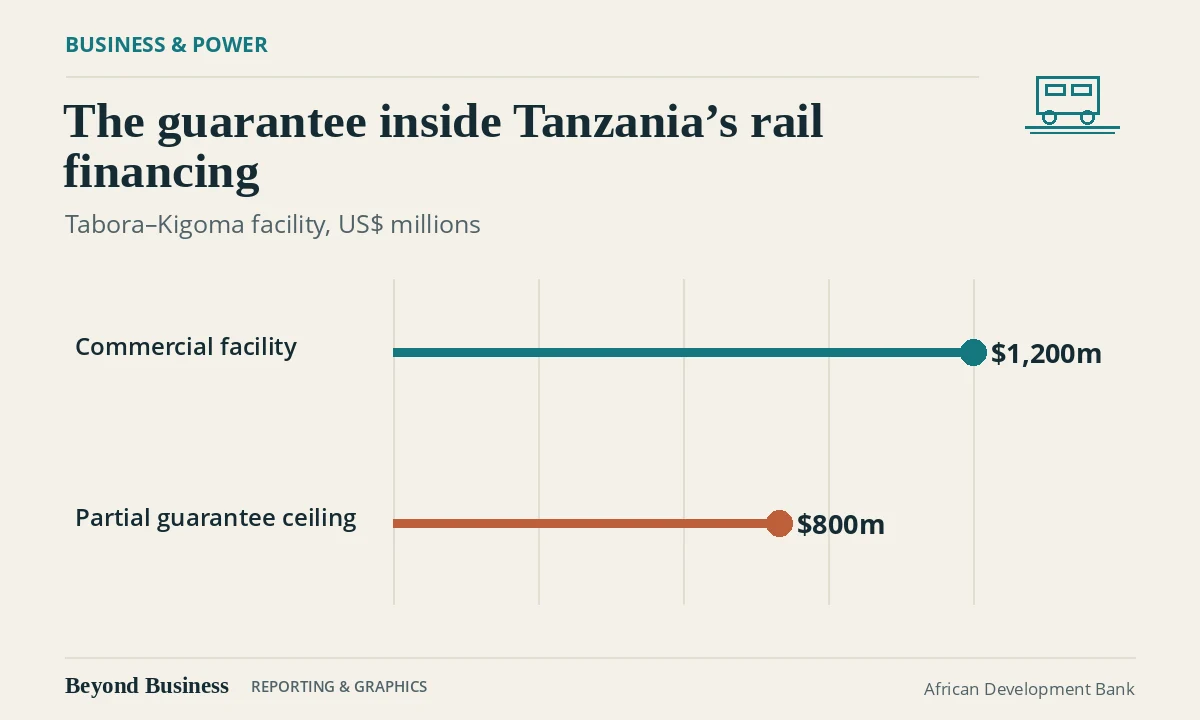
The African Development Bank helped arrange nine commercial lenders for the Tabora–Kigoma section and supplied a guarantee with a different job from the loan.
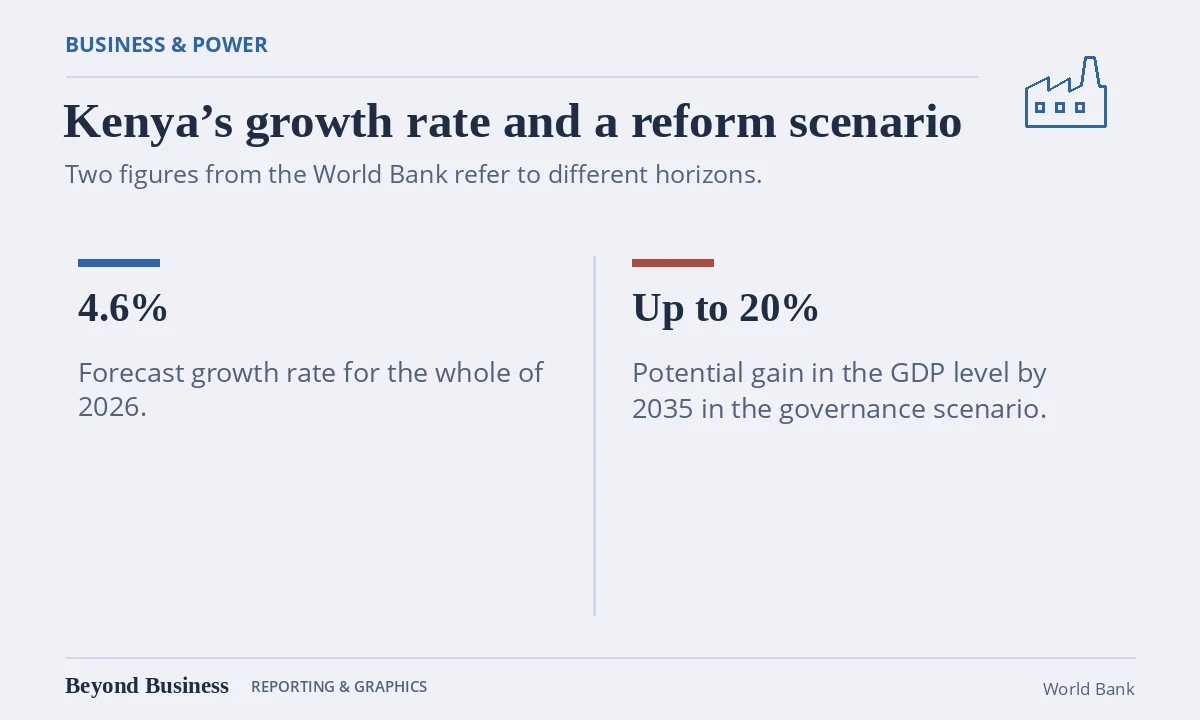
The World Bank’s Kenya update puts procurement and ownership transparency alongside its latest GDP forecast. Its estimate of the gains available by 2035 depends on changes that have yet to happen.
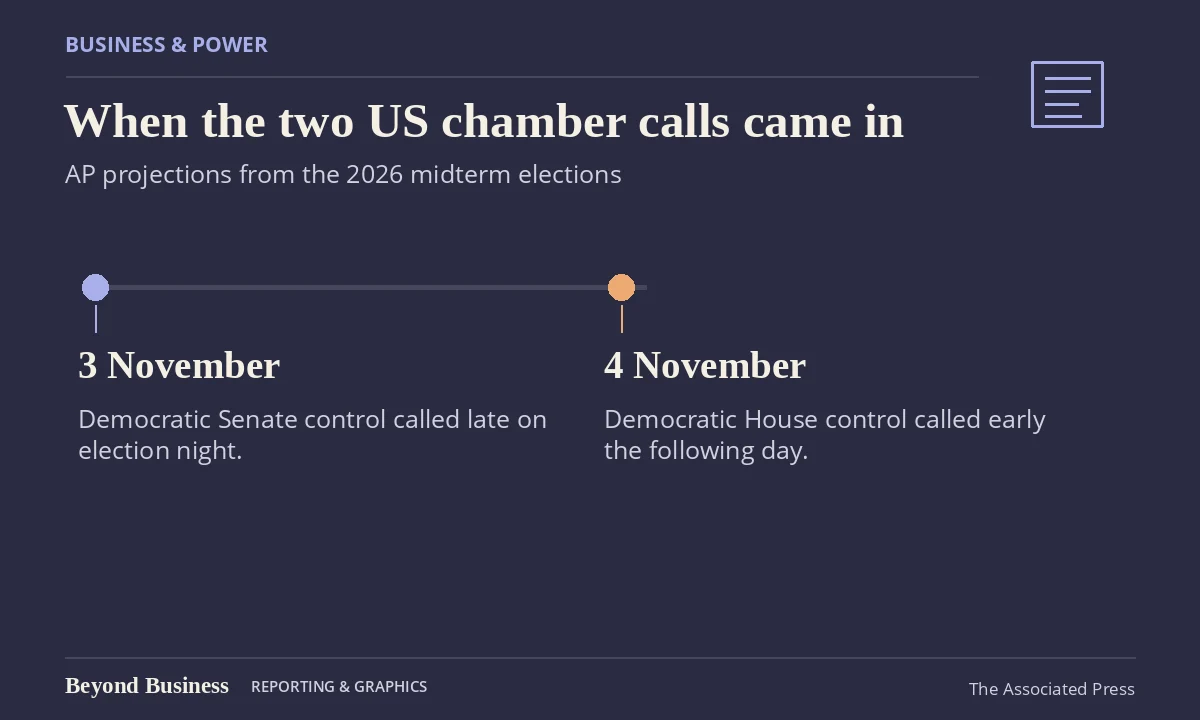
The US midterms have redrawn the political map. For businesses beyond America, the useful work begins with separating policy signals from policy changes.
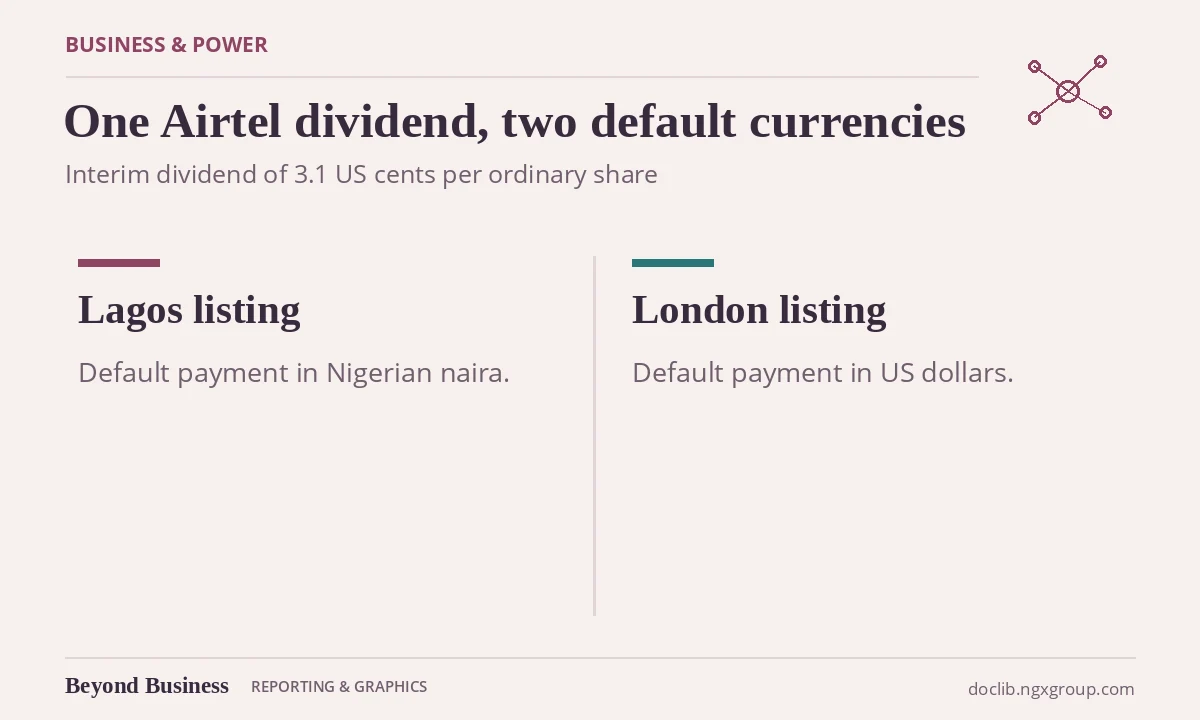
The same US-dollar declaration comes with different default currencies and trading deadlines on Airtel Africa’s two exchanges.
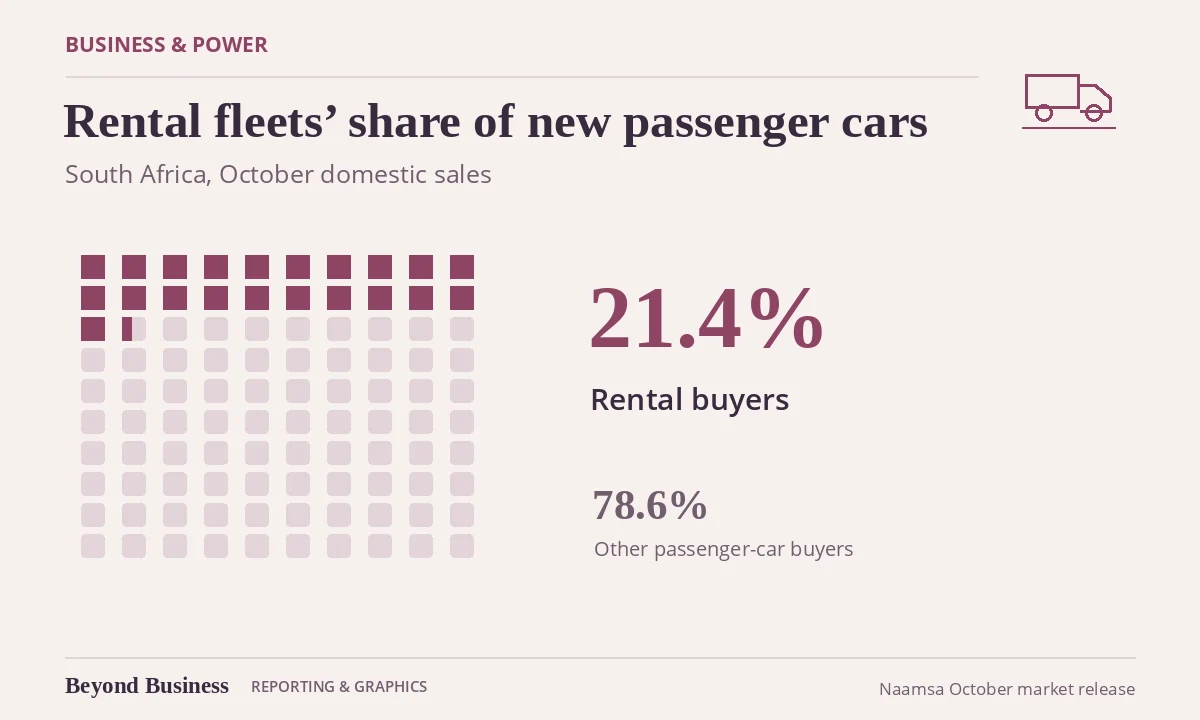
October’s new-vehicle figures show strong passenger car demand and a recovery in exports. The buyers behind those numbers tell a more varied story than the national total suggests.
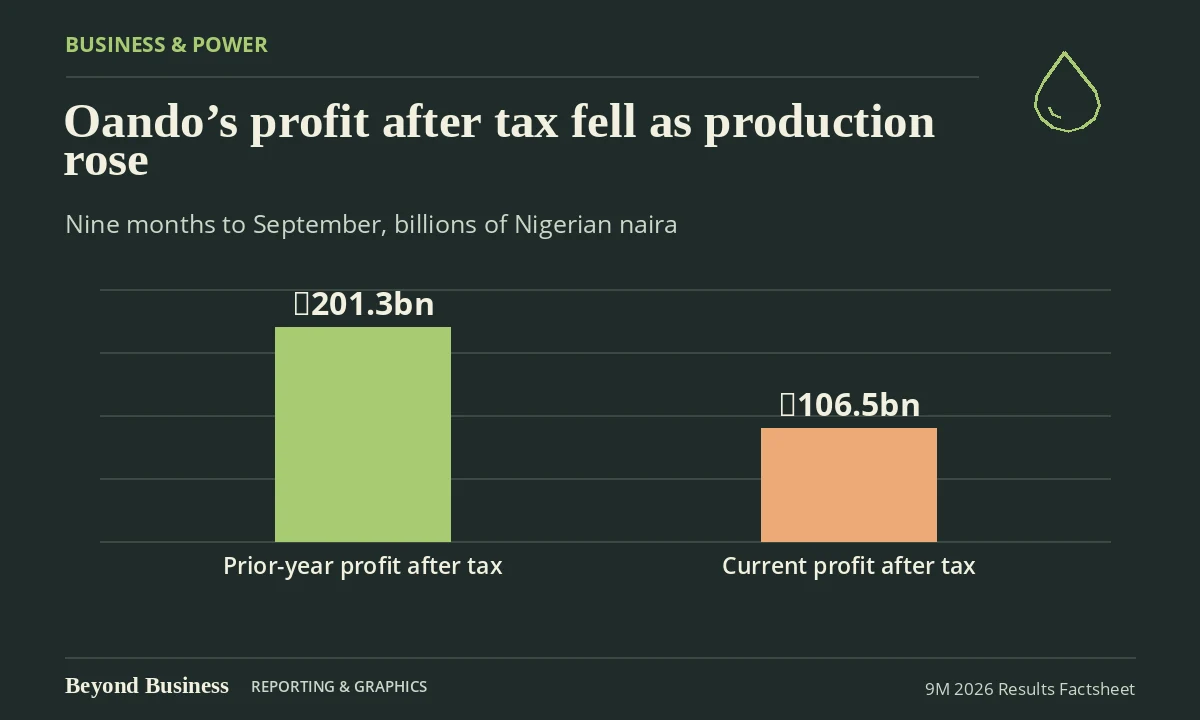
The Nigerian energy company’s nine-month results show why barrels produced and profit after tax can move in opposite directions. A large financing gain in the previous year changes the comparison.
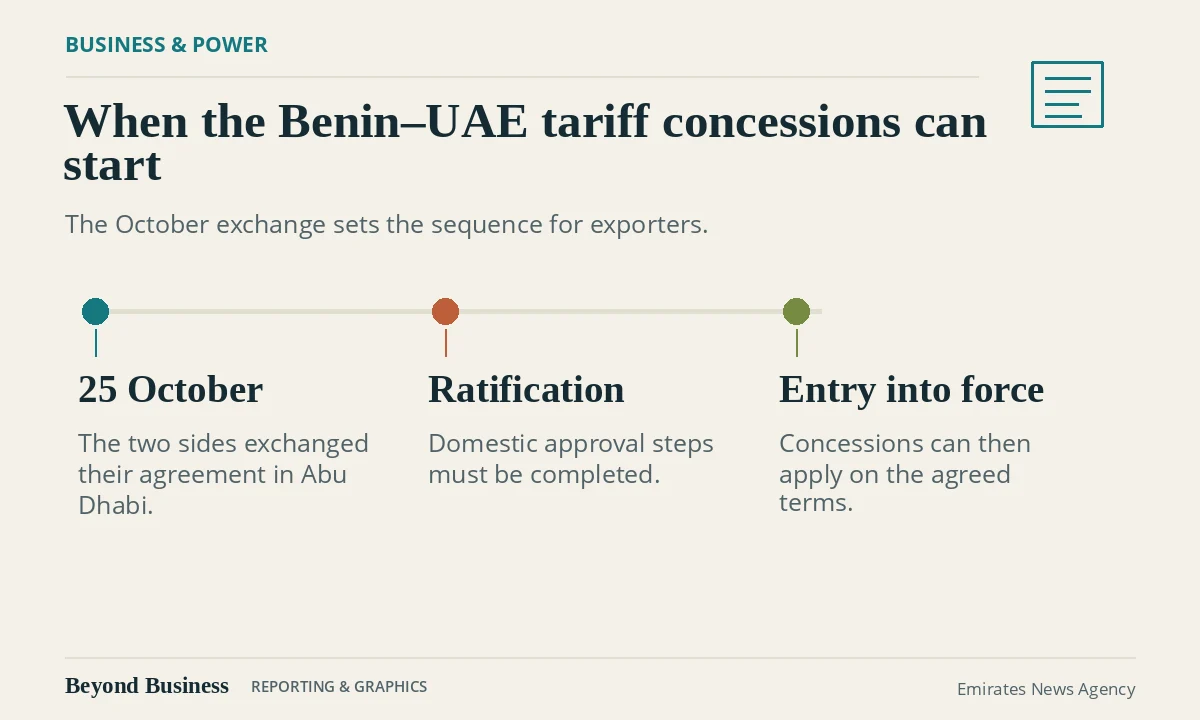
An agreement exchanged in Abu Dhabi promises tariff reductions once it enters into force. The trade figures show how much business was already taking place under the existing arrangements.