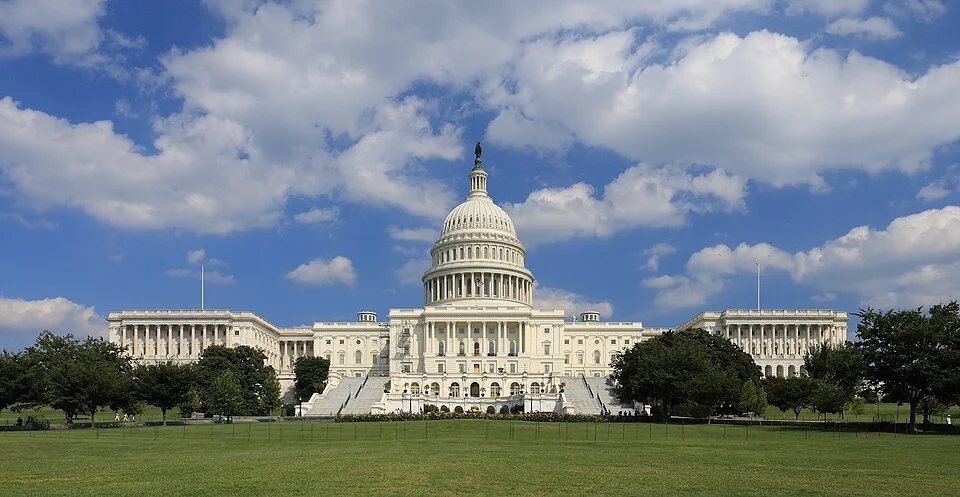
- AP called Democratic control of both chambers of Congress after the 3 November election.
- An election result does not itself change a tariff, contract or regulation.
- For internationally exposed businesses, scenario planning matters more than a single market reaction.
Inside this story 2 perspectives
The US election has given international business a new political calculation. It has not given it a finished policy programme.
The Associated Press called Democratic control of the Senate late on 3 November and the House early on 4 November. Reuters reported an initial market rally as investors assessed the prospect of divided government. Neither development settles the questions facing a company buying, selling or raising money across borders.
A result is the beginning of a process
The incoming Congress does not take office on election night. Proposals, negotiations and implementation still stand between a political promise and a change in operating conditions. Reading a result as an immediate reversal of existing rules would skip those steps.
Beyond Business’s view is that leaders should translate the news into a short list of exposures: which revenues depend on American customers, which contracts are denominated in dollars, and which expansion plans assume a particular policy environment?
That exercise is useful in Johannesburg or Nairobi as well as New York. A business can have material US exposure through a customer or supplier without maintaining an American office.
Watch decisions, not just declarations
The next useful signals will be concrete: committee priorities, budget negotiations and the text of proposed measures. A leadership team can assign responsibility for monitoring those developments and agree in advance what would justify revisiting a decision.
The temptation after a major election is to write one sweeping forecast. A stronger business response makes room for more than one outcome, keeps assumptions visible and distinguishes a change in political momentum from a change in the rules.