- Store-filled pickup and delivery led Walmart’s global ecommerce increase.
- The Clearwater launch paired a physical shop with an express delivery radius.
- Reliable stock records and the labour needed to complete orders affect the local economics.
Inside this story 2 perspectives
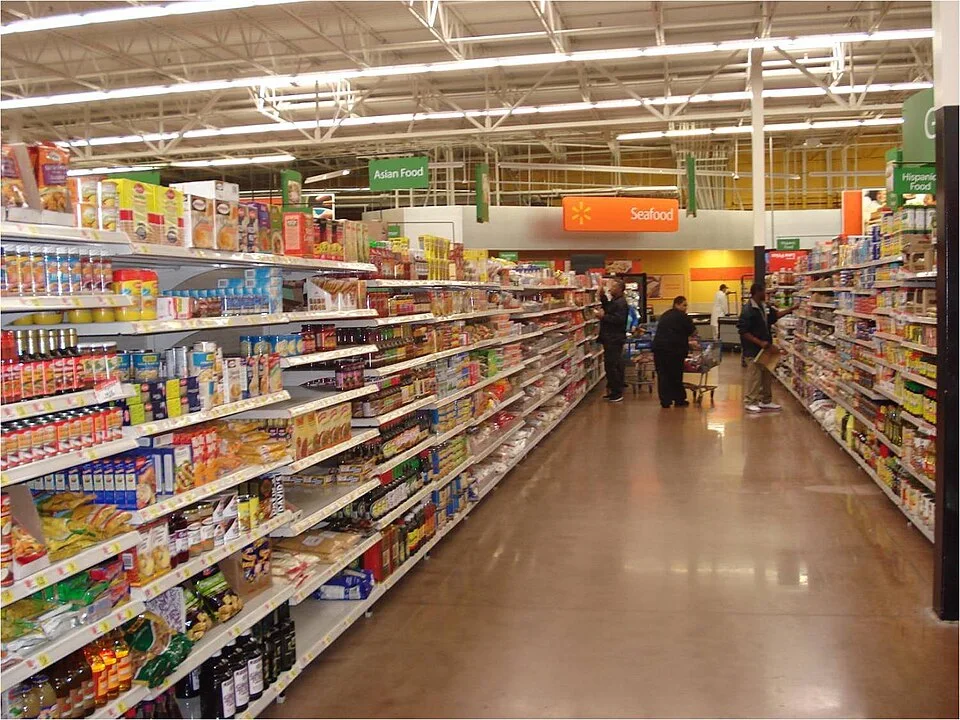
At a supermarket, one person can be choosing tomatoes for dinner while the person beside them is choosing tomatoes for a customer several streets away. The two baskets may go through different checkouts, but both shoppers depend on the same shelf. Walmart’s latest results give that ordinary scene a useful place in the debate over the future of physical shops.
On 19 November the retailer reported third-quarter revenue of $188.8 billion, up 5.2% year on year. Global ecommerce sales grew 17%. Walmart said pickup and delivery orders filled from its stores led the increase. Its US ecommerce business grew 23%. The figures describe different parts of the company and cannot be used to estimate online growth in South Africa.
Why the nearest shop matters
A store has something an attractive website cannot supply on its own. It holds goods within reach of customers who already live or work nearby. Filling an online order there can shorten the final journey. It can also give customers a collection option if they would prefer to pick up their own groceries or avoid waiting for a delivery.
South Africans have already seen the proposition in a concrete form. When Walmart opened its first African store under its own name at Clearwater Mall in Roodepoort in November 2025, it offered express delivery through its app within five kilometres of the store. The stated delivery window was 60 minutes. Checkers’ Sixty60 was already competing for the same convenience-minded shopper. What the launch established was how Walmart meant to serve the area. It did not reveal how many orders the service could earn profitably.
Two customers, one last item
The costs are easy to overlook. An employee has to find the tomatoes, select ones in good condition, pack them and arrange a handover. If the app still shows stock after a shopper has taken the last packet, someone must offer a substitute, issue a refund or disappoint the person waiting at home. Each extra step consumes some of the advantage of having inventory nearby.
That tension also affects a brand trying to win shelf space. A product that turns up in search but repeatedly disappears before checkout will frustrate buyers. Conversely, a customer who finds a favourite pack size available for collection on the way home may have a reason to order it again. The quality of stock information becomes part of the experience of the product itself.
Walmart’s global figures show the growing value of sales through these channels. The next question for any local retailer assessing the same model is what it costs to complete a basket accurately, on time and close enough to home. That calculation happens one store and one neighbourhood at a time.