- The airline carried 125.8 million passengers in six months.
- Operating costs grew faster than total revenue.
- The doubling in cost applied to unhedged jet fuel, covering a fifth of the requirement.
Inside this story 2 perspectives
Ryanair carried 7 million or so more passengers in the six months to September than it had a year earlier. Its profit after tax fell. For anybody who has ever stood in a crowded departure lounge and assumed an airline must be having a particularly good day, the two facts are worth putting alongside each other. A full plane measures one part of the business. The fuel invoice and the price paid for the seats measure two more.
In results released on 2 November, Ryanair put half-year traffic at 125.8 million passengers, up 6%. Average fares fell 4%. Scheduled revenue, the part of the business most closely associated with the ticket, rose just 1% to €7 billion. Ancillary revenue rose 6% to €3.08 billion. By the time the airline reached the bottom of the accounts, it had earned €2.15 billion after tax, down 15% from €2.54 billion a year earlier.
The passenger who came because the price fell
A carrier can sell a seat late at a low fare or risk departing with it empty. There is a good reason to consider the first option. The aircraft, the crew and much of the fuel are going on that journey either way. An additional passenger may also buy services beyond the original ticket. The challenge is that an airline setting prices before departure cannot know which passenger might have paid more or how much later demand will appear.
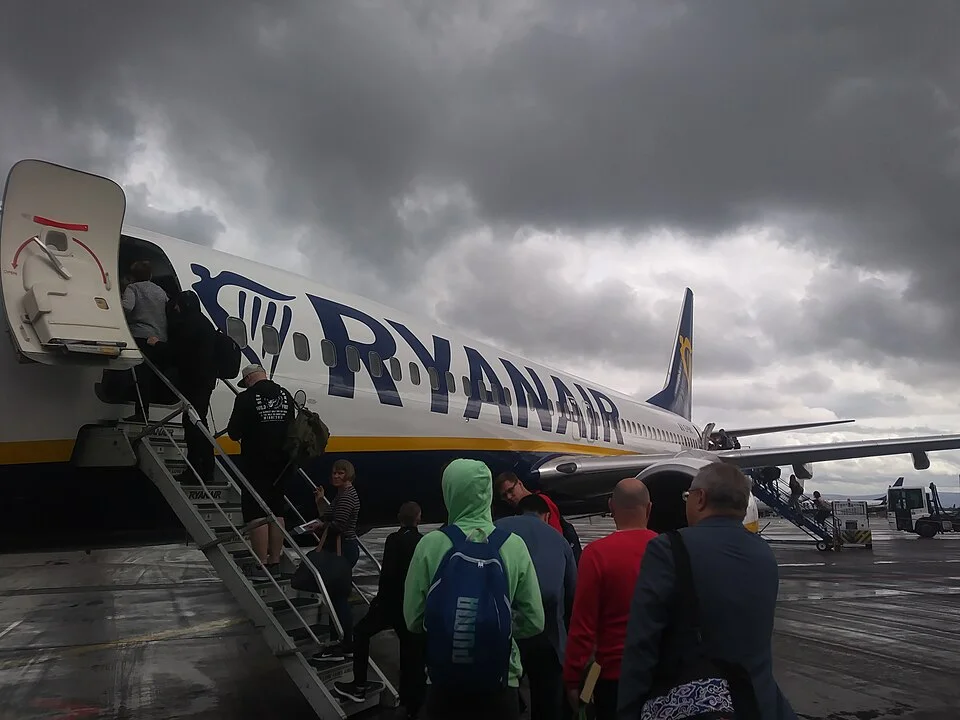
Ryanair said the timing of Easter and later bookings during the Middle East conflict affected fares in the half. That is a detail a summer photograph of a busy airport cannot reveal. An extra customer attracted at a modest fare adds less ticket revenue than one who would have booked the same seat at the previous price. Across a network, passenger traffic can grow much faster than ticket sales in euros.
A different number on the fuel bill
The airline says the price of the one fifth of its jet fuel that was unhedged doubled. That is an important qualification. Describing the entire fuel bill as having doubled would miss the effect of the contracts covering the larger share. Total operating costs rose 10% to €7.69 billion, faster than the 3% increase in total revenue. The exposed portion of a major cost was enough to matter even with hedges in place.
For a regional airport deciding whether an extra service would benefit local shops and hotels, more arriving passengers can be encouraging news. For the company operating that service, the fare and the fuel contract travel with every passenger. The same departure lounge can tell two true stories about its summer. Only one of them can be read by counting the people in it.