- Honda reported Asian motorcycle revenue of roughly ¥1.26 trillion for the half year.
- Asian automobile revenue was down 5.2% on the same period last year.
- Segment revenue does not measure how many units were sold.
Inside this story 2 perspectives
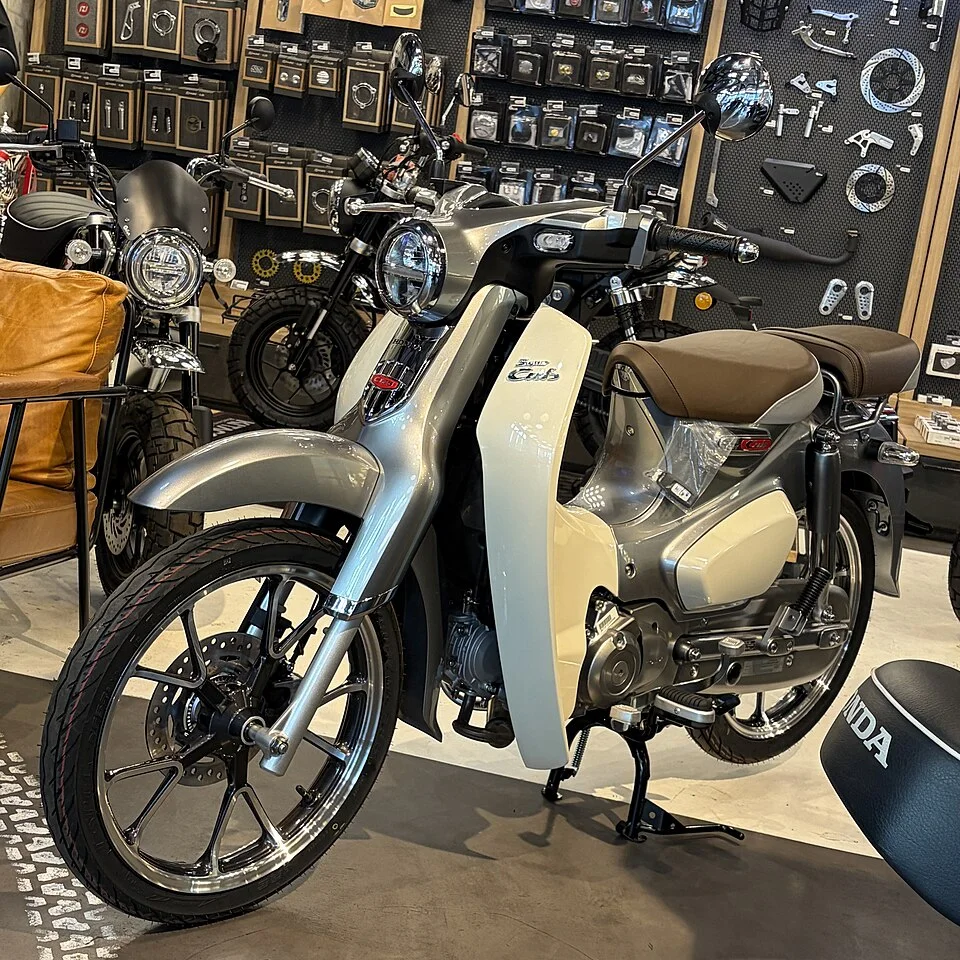
Ask how Honda did in Asia and the answer depends on how many wheels you have in mind. The company’s half-year results, released on 10 November, put motorcycle revenue in its Asian reporting region at roughly ¥1.26 trillion, up 18.2% from a year earlier. Revenue for automobiles in the same region was about ¥752 billion, down 5.2%. Someone looking only at the name on the dealership would miss the split.
Honda reports Japan separately, so Asia in this comparison means the region as defined in its financial tables. The figures cover the six months to 30 September. They measure sales revenue in yen. That leaves room for changes in prices, product mix and the exchange rates used to translate overseas sales. An 18.2% rise in yen revenue cannot by itself establish an 18.2% increase in the number of motorcycles leaving showrooms.
An Asian motorbike and a North American car
Look at the same tables in the other direction. Asia accounted for well over half the motorcycle business’s global revenue of approximately ¥2.27 trillion. In the automobile business, North America alone generated about ¥5.37 trillion of a ¥7.54 trillion global total. The group’s car and motorcycle results are therefore sensitive to quite different markets even before an investor asks which individual models customers bought.
The distinction matters to a dealer and to a supplier. A component maker whose contracts are tied to Asian motorcycles is exposed to a different pattern of demand from a business supplying parts for North American cars. One group-wide growth rate is a poor substitute for knowing which division buys the part. Even then the supplier needs to know what the financial measure captures. Revenue can rise when a company earns more per vehicle, a development that need not translate into an equivalent order for more components.
Follow the customer past the showroom
The accounts also show financial services as a separate business. A customer who pays for a vehicle over time makes a purchase decision and a financing decision. Conditions in the credit market, the cost of funds and the amount of business already on the financing book can affect the latter. The number of vehicles sold in the latest six months cannot describe all that activity either.
A useful way into the next Honda results is to choose a customer first. Where do they live, what sort of vehicle are they likely to buy and how will they pay for it? Those questions lead to a particular part of the accounts. In the latest figures they also prevent an easily made mistake. A visitor to one car showroom in Asia could have seen conditions quite unlike those facing the Honda motorcycle dealer down the road.