- The bank approved its second phase of reform financing.
- Private trains have started testing South African lines.
- A customer still needs to know which departures a rail operator can guarantee.
Inside this story 2 perspectives
For a South African exporter deciding whether to send the next consignment by rail, a loan approval in Abidjan is several steps removed from the decision that matters. Can a train operator offer a departure on the right day, at a price the exporter can put in a contract? The African Development Bank’s approval of US$503.75 million for infrastructure reforms is best read with that question in mind. A customer will experience the result in a timetable.
The bank approved the second phase of its programme supporting South Africa’s reforms in electricity, freight logistics and water. Channel Africa reported the decision on 12 November. The lending supports the government’s reform programme through the budget. The headline figure therefore tells readers how much financing the bank approved. It cannot tell them how many kilometres of track will be fixed or how many wagons will turn up at a particular siding.
What happens when two operators want the same track?
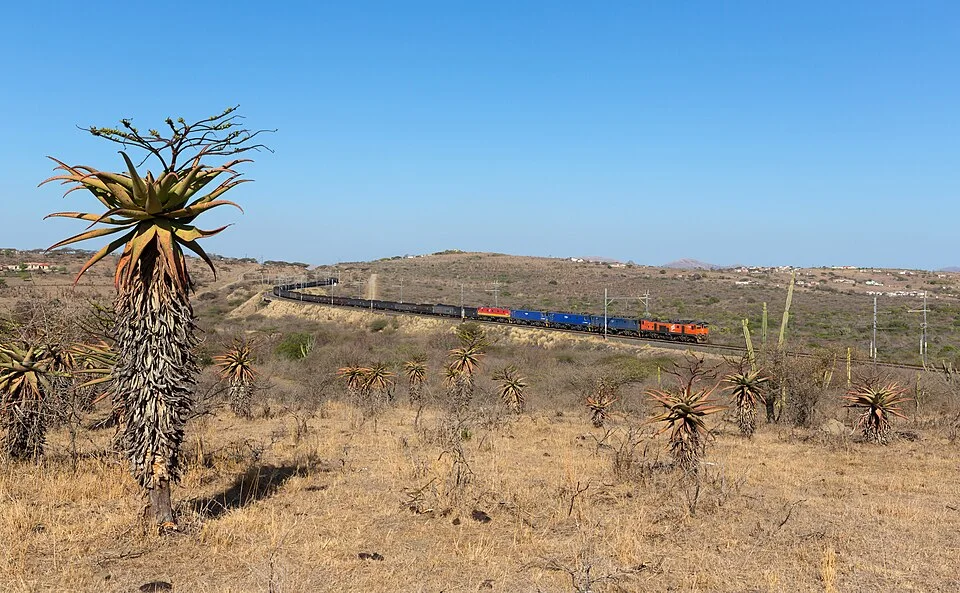
Government’s own account of the rail reforms makes that distinction tangible. National Treasury Director-General Duncan Pieterse said the first privately owned trains had started testing the lines. He also identified a piece of unfinished work. South Africa still needs a fully independent infrastructure manager to oversee access for competing operators.
Imagine two companies trying to move goods on the same line in the same week. Each needs to know who allocates scarce train paths, how much notice it will receive and what happens if maintenance takes a section out of service. An exporter negotiating with either company has an interest in those answers. Competition becomes commercially meaningful when a customer can compare two offers that both have a reasonable prospect of being delivered.
The same question arises at a different point in the electricity business. A company can build a power station and still depend on somebody else for a connection and access to the grid. Treasury has described an independent transmission operator as a further step beyond creating the National Transmission Company of South Africa inside Eskom. A business assessing an investment needs to know which of those steps has happened.
A way to read the next announcement
Take a manufacturer with an overseas order. Electricity affects its production schedule, reliable water can matter to its process, and freight determines when the finished goods arrive. Improvements in one service can be valuable even while another remains the limiting factor. That is a reason to follow the three reforms together and to ask different questions of each.
When the government or the bank next reports progress, a practical detail worth looking for is whether an operator can make a commitment it could not make before. A supplier able to quote a rail service with a dependable departure date gives its customer a new choice. For the person signing an export contract, that is where half a billion dollars of policy lending begins to acquire a recognisable shape.