- The new analysis used observations from the original M87 campaign.
- The independent method combines measurements in groups of three.
- The reconstructed ring tests a broad feature of the 2019 image.
Inside this story 2 perspectives
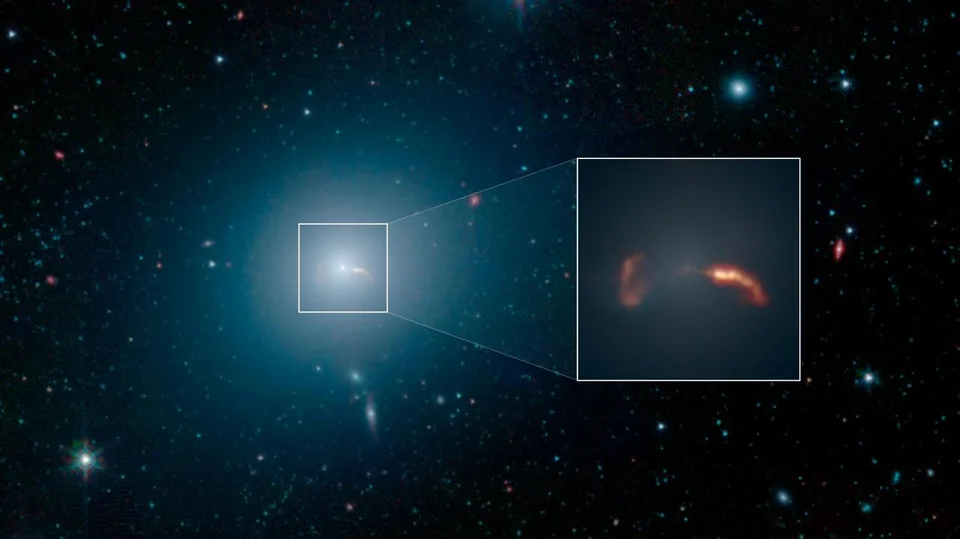
The famous ring around the black hole at the centre of the galaxy Messier 87 has been put through a particularly demanding test. Researchers used the observations that produced the first image, discarded the original route from measurements to picture, and asked whether the ring would show up again. It did. The new result, published in Nature on 11 November, puts fresh evidence behind a picture millions of people first encountered in 2019.
For an ordinary camera, the notion of independently examining a photograph can sound odd. The light falls on a sensor and the photographer can see what was in front of the lens. The Event Horizon Telescope uses radio telescopes separated by enormous distances. Their measurements are combined to infer the structure of a very small region of the sky. The image is a reconstruction. The methods used to carry out that reconstruction are part of the evidence behind it.
A new way to read an old observation
The original collaboration used several processing methods and found a broadly consistent bright ring surrounding a darker region. Other analyses had since produced different shapes from the observations. That is a scientific disagreement with a practical consequence. If a visible feature depends on which reasonable method is chosen, readers should know which parts of a picture support the strongest conclusions.
CSIRO researchers and their colleagues devised an independent analysis that works with combinations of measurements from three telescopes. Combining the signals in that way helps suppress errors that can arise at individual stations, including effects associated with the atmosphere. From the original observing campaign, the team reconstructed a structure consistent with the ring. The result helps answer a specific objection. A different path through the data still produces this broad feature.
What a second picture can establish
There are limits to the comparison. The teams used the same historical observations, so they were looking at the same episode in the life of the galaxy. A new observation taken years later could test how the surrounding material has changed. This work instead tests the robustness of the interpretation of what the telescopes saw the first time. Both questions are valuable, and they require different evidence.
The image also asks something of anyone writing a caption. The bright emission comes from material around the black hole. The central darkness is its shadow in the reconstruction. Calling the whole thing a portrait makes a good headline, but it helps to know what part of the portrait the instrument actually measured. In this case, the most persuasive development since the image went around the world is the appearance of a recognisable ring after a different team set out to build the picture again.