- Euclid’s 12 November release includes observations of more than 900 million galaxies.
- The full DR1 package, including further products for cosmological analysis, is scheduled for June 2027.
- Public observations become more useful when researchers also have documentation, computing access and analytical skills.
Inside this story 2 perspectives
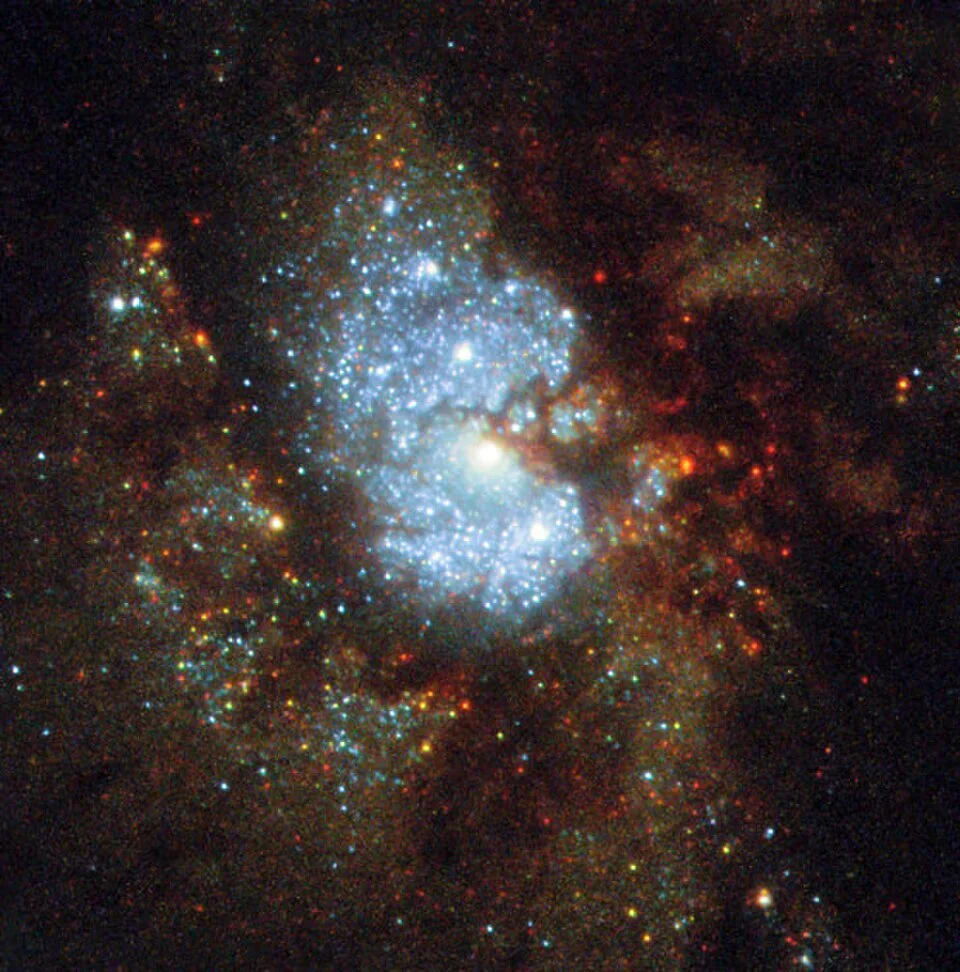
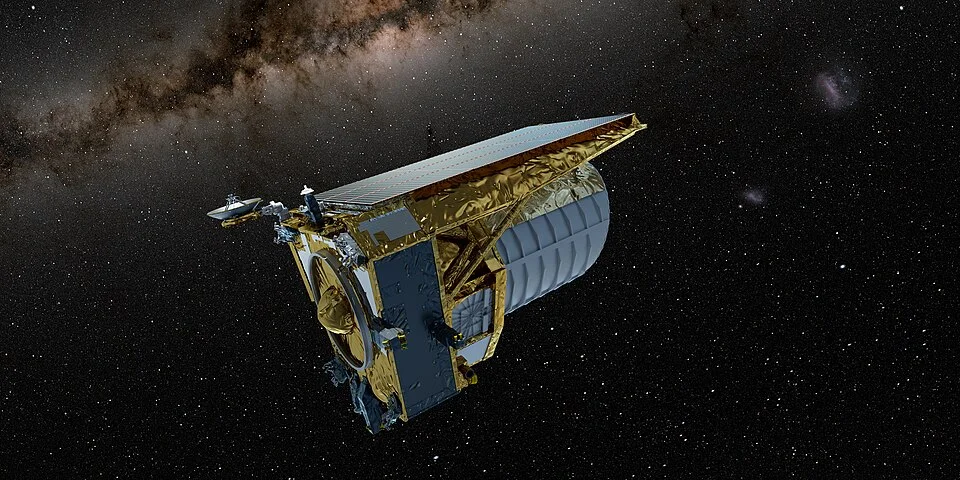
A new view of the Universe arrived on 12 November, carrying the light of more than a billion objects. The European Space Agency released DR1-Foundation, the first major survey dataset from its Euclid telescope. It contains observations of over 900 million galaxies, assembled from roughly 13 months of work.
The scale is striking: about 1.7 million gigabytes, covering a region of sky equivalent to 9,500 full Moons. Alongside the images are approximately 15,000 strong gravitational-lens candidates and more than 60 million quasar candidates. Those last words matter. A candidate is an object requiring further assessment, rather than an automatic new discovery.
What the new observations can tell us
For a general audience, the images offer an unusually expansive encounter with the cosmos. For researchers, their value lies in measurement. Leiden University explains that Euclid will examine galaxy positions and the small distortions in their shapes caused by gravity bending light. Together, these observations help scientists investigate how cosmic structures developed.
The questions behind that exercise are enormous. Dark matter contributes gravity without being directly visible; dark energy is associated with the Universe’s accelerating expansion. Leiden’s cosmologists also want to test whether our understanding of gravity holds at the largest scales. A much larger sample of galaxies gives those investigations greater statistical reach.
There is an important boundary around this week’s announcement. The collaboration’s technical overview describes a release in two stages. Images, spectra and catalogues are arriving now; shear measurements and additional products needed for cosmological analysis are scheduled for June 2027. The release therefore supplies material for investigation. It does not announce that the mysteries of dark matter or dark energy have been solved.
Access is the beginning
The practical infrastructure deserves attention too. The Euclid Consortium has published 18 technical papers explaining the release and its methods. It says researchers can access the observations through ESA’s Euclid Data Space and analyse them using ESA infrastructure. Documentation and computing arrangements help turn a spectacular collection into something other people can work with.
For African universities and research funders, that creates a useful strategic question: what would it take to contribute original work using this resource? Access to observations is one ingredient. People who can frame strong questions, understand measurement errors and build reliable analysis are equally consequential.
Our view is that the most productive response would pair research ambition with specific capacity: postgraduate supervision, statistical training, sustained computing access and partnerships organised around answerable questions. The release itself does not establish that those resources are equally available. Treating access as a practical research problem is more useful than assuming publication of a dataset settles it.
There is a wider lesson here for organisations investing in knowledge. Collecting information creates potential; making it understandable and reusable determines how widely that potential travels. Euclid offers a vivid example of the patient work behind discovery: shared observations, documented methods and a clear account of what remains unfinished. The images invite us to look. The infrastructure invites more people to investigate.