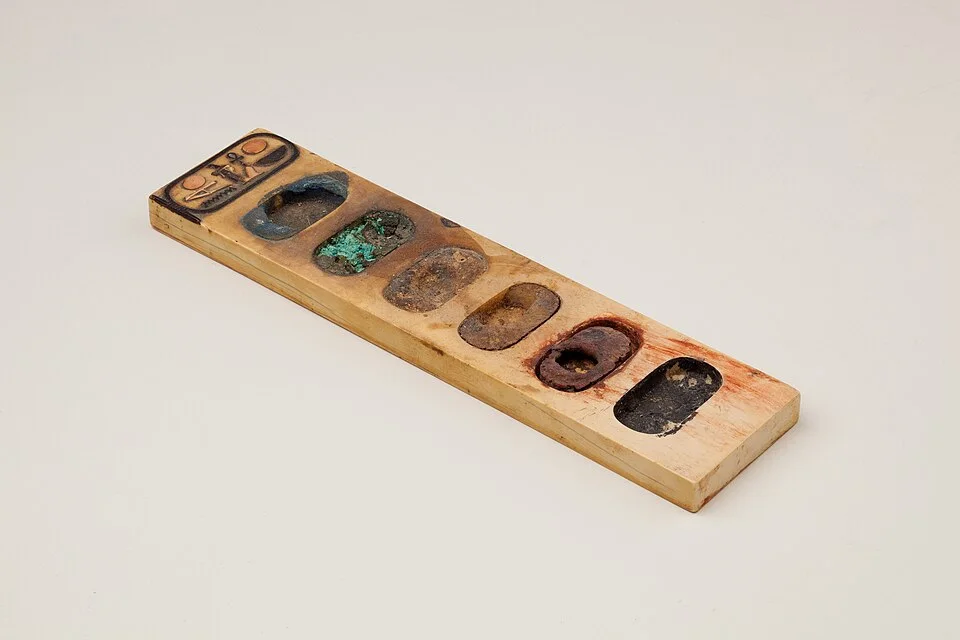
A study of ancient Egyptian objects found animal collagens alongside proteins from sesame and moringa. The difficult part was identifying what belonged to the original materials.
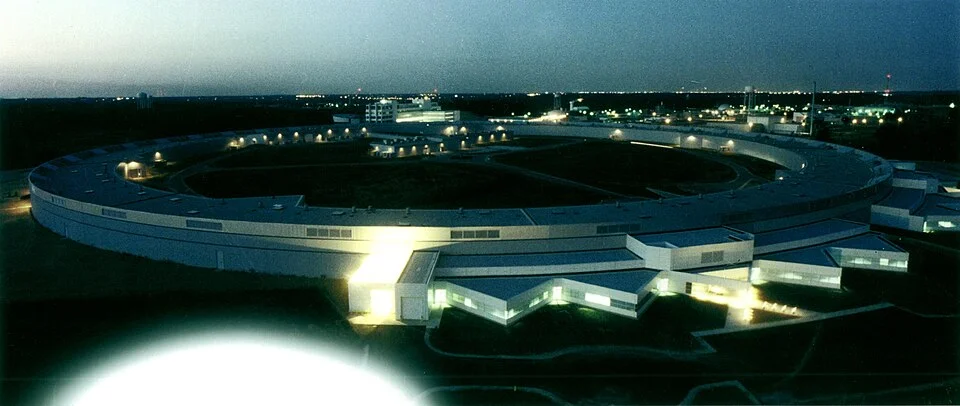
Princeton and Brookhaven researchers watched a blended cathode in operation. Taking measurements across the battery helped explain a pattern that an initial scan could see but could not resolve.
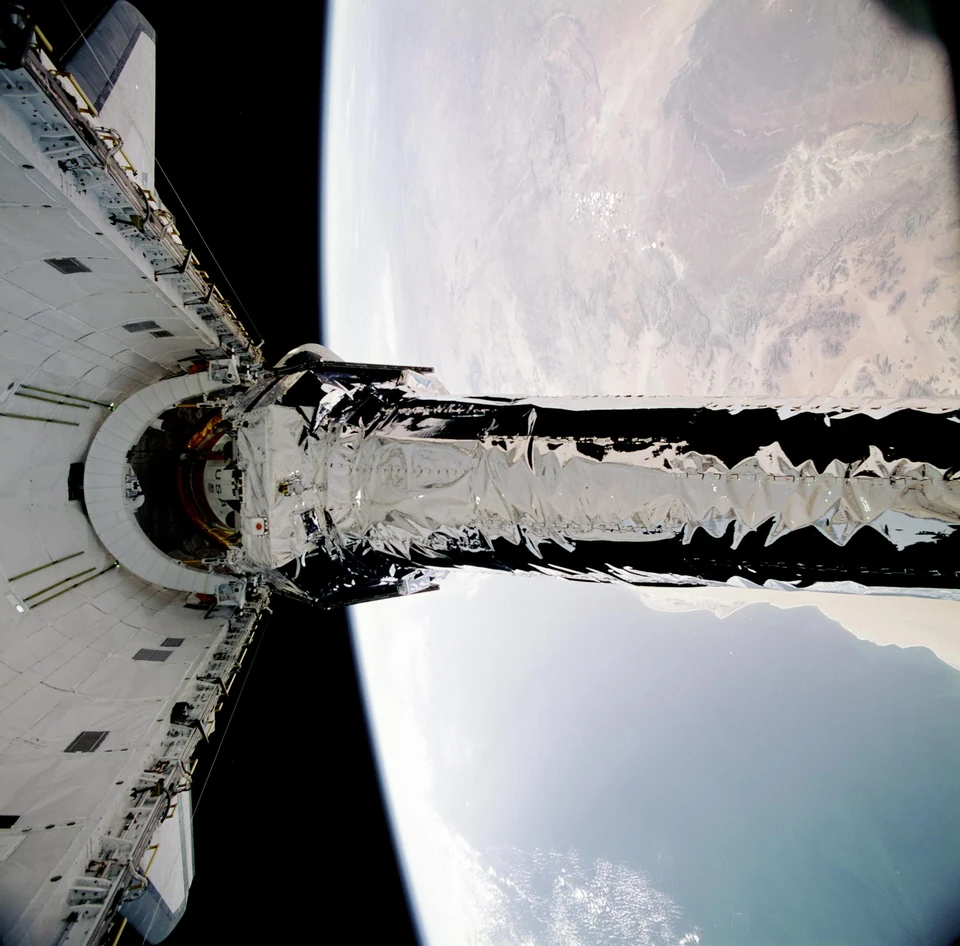
An archive search found 84 unusually soft X-ray sources in six galaxies. What those objects are, and how much ultraviolet light they supply to their surroundings, remain open questions.
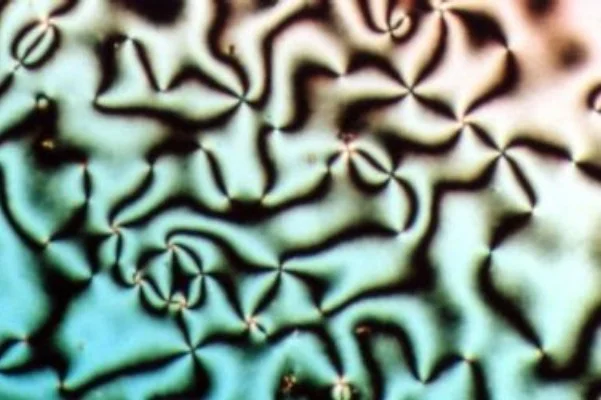
An experiment at Stanford and SLAC measured energy lost during a change of state, then found a less wasteful way to make the change. The result belongs to a model device, with computer memory a possible next test.
A Manchester-led team used simpler algorithms to reproduce a demanding seafloor model. Their estimates show why carbon that settles through the ocean need not stay buried.
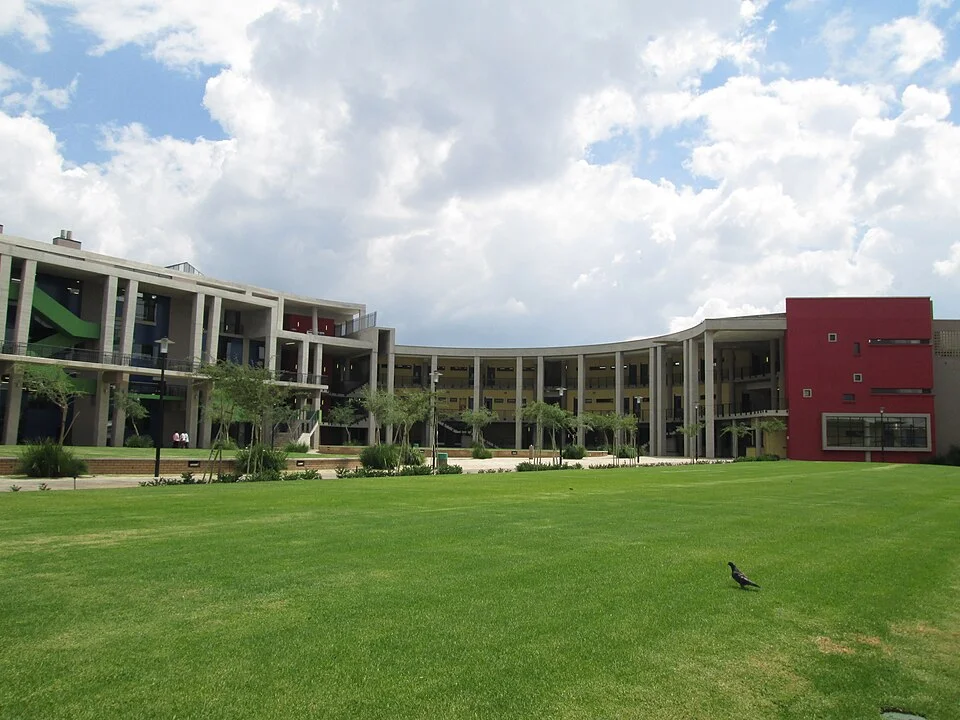
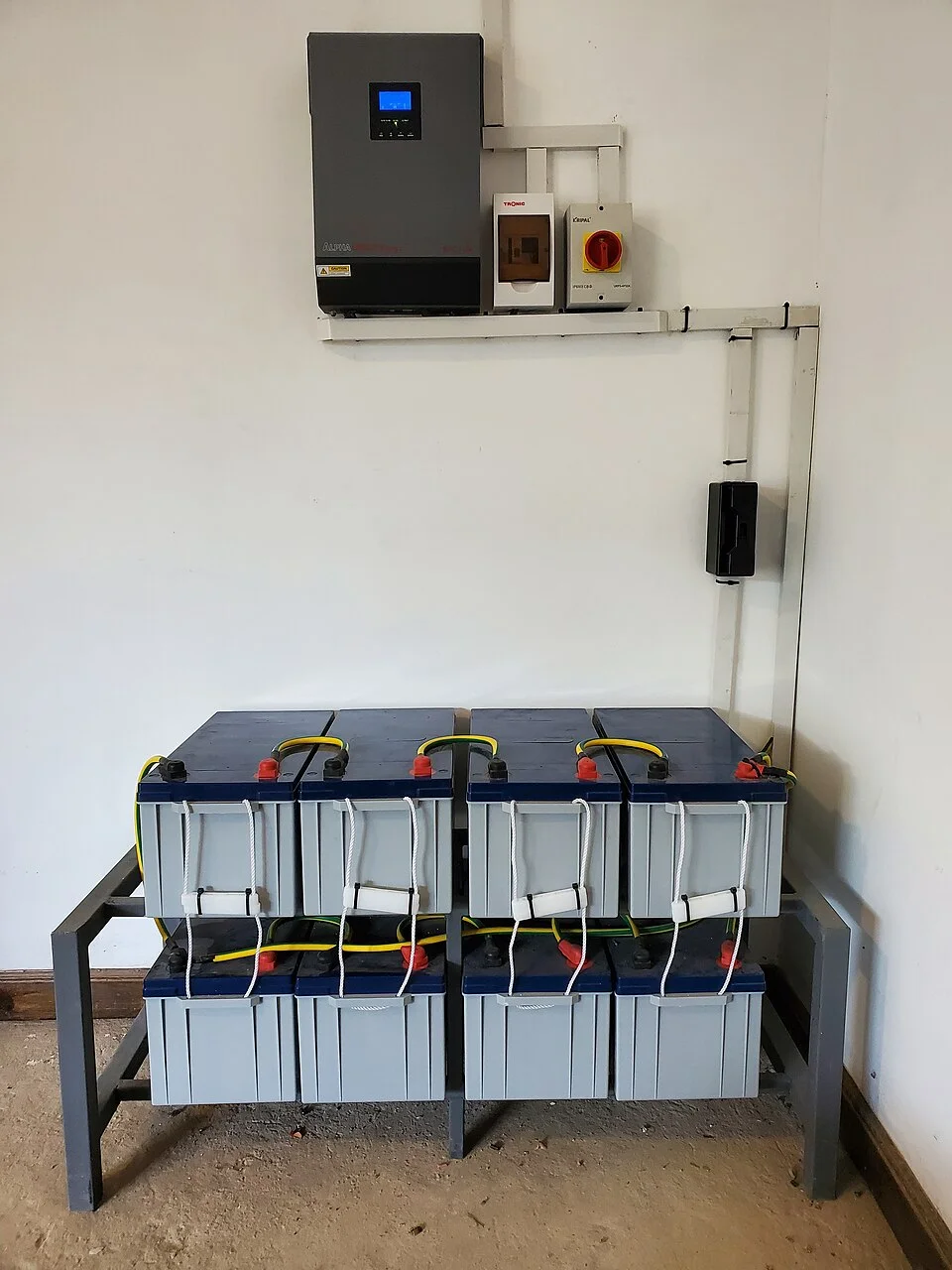
A new science centre at Hanyani Secondary builds on an earlier investment in electricity, computers and connectivity. The school’s examination results had already changed before the new equipment arrived.
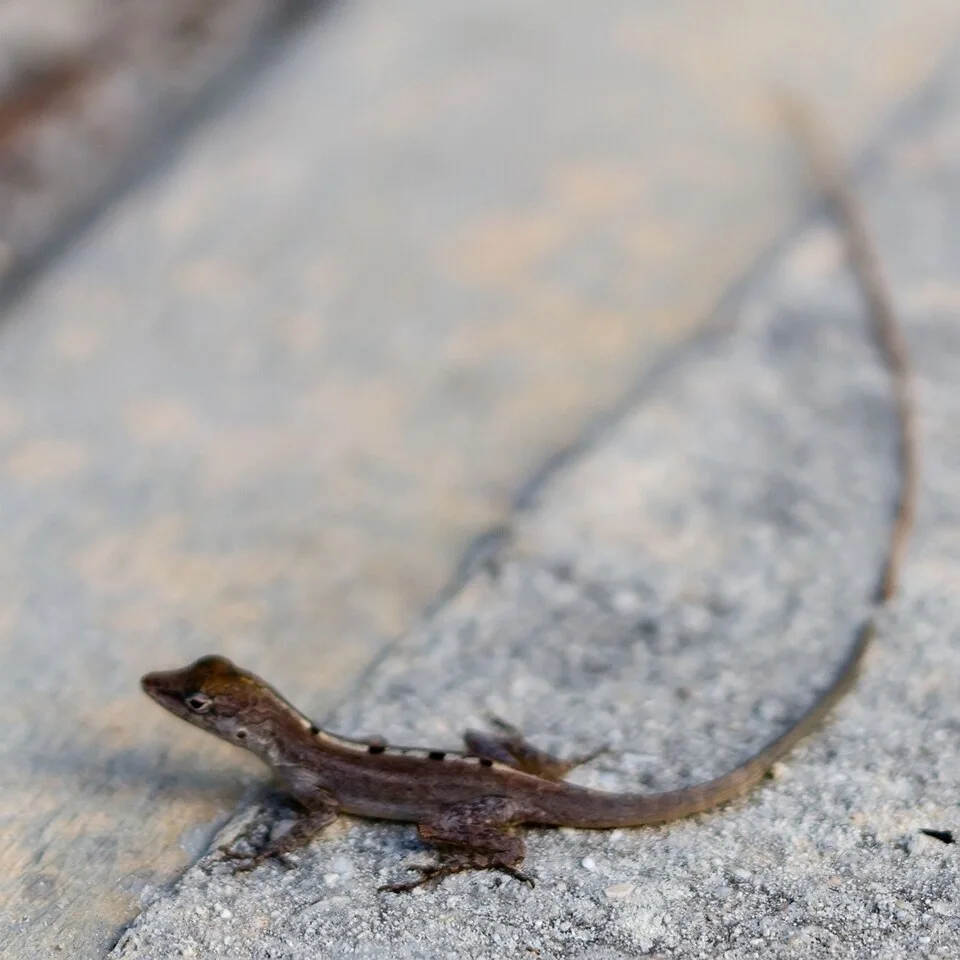
A fan, a perch and lizards from Caribbean islands helped researchers investigate a change seen after two hurricanes. The test turns a small difference in toes into a measurable advantage.
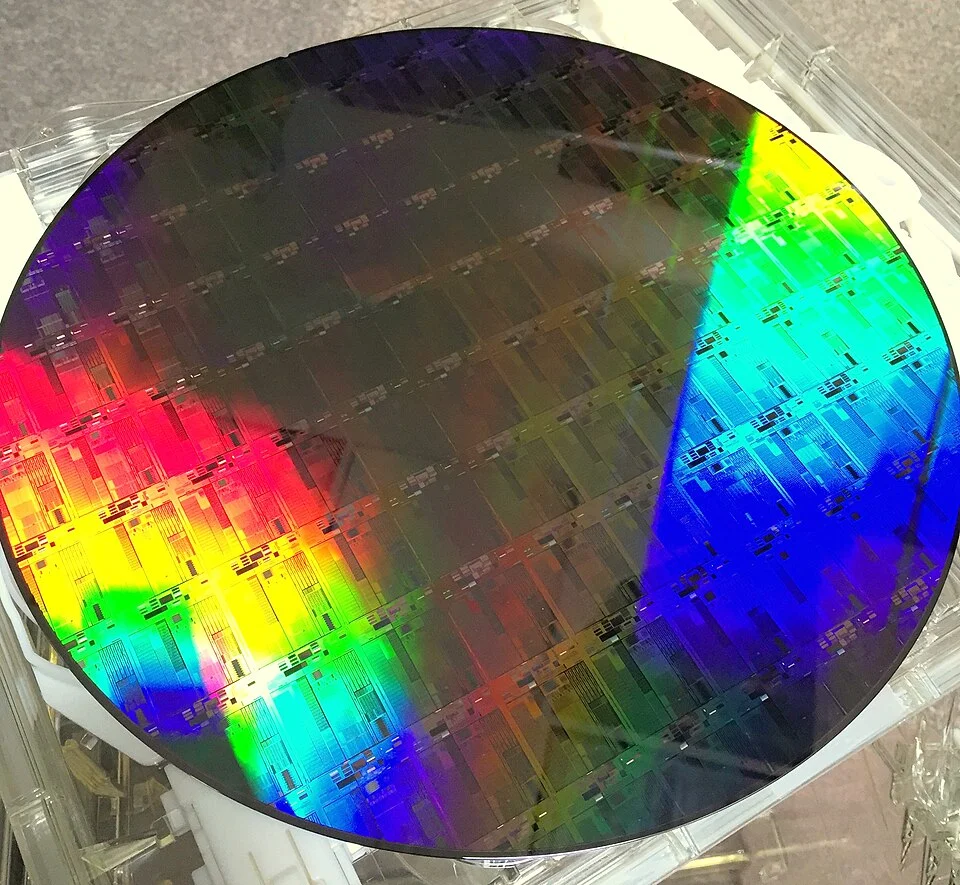
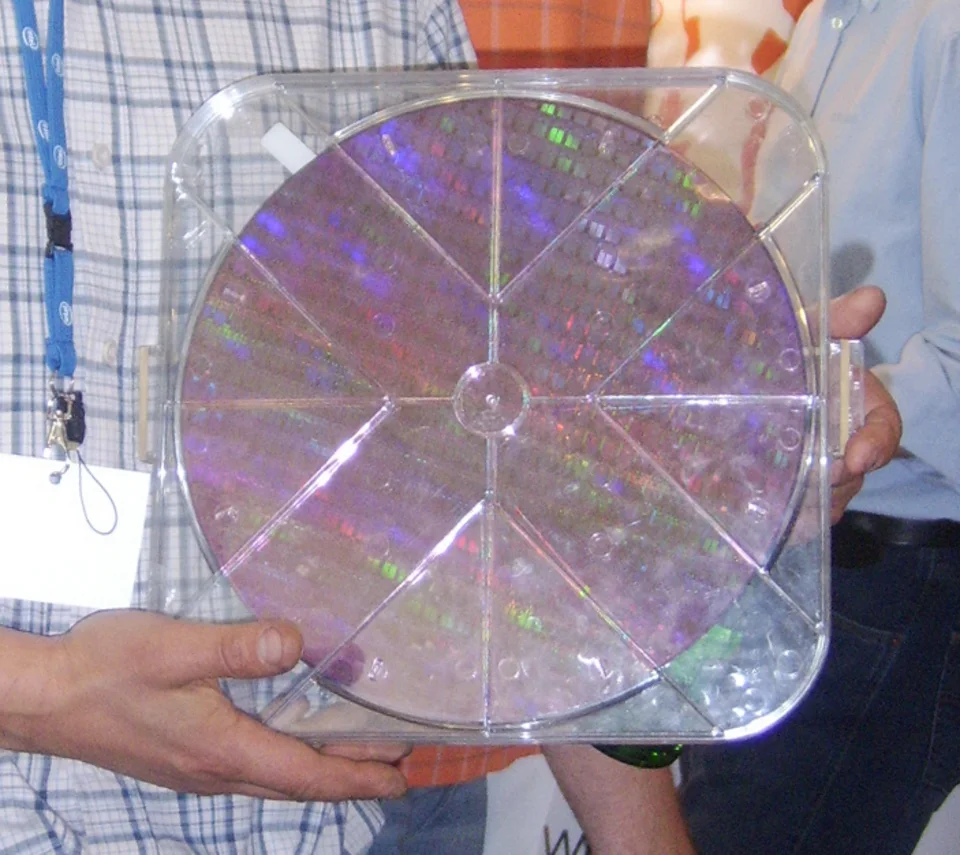
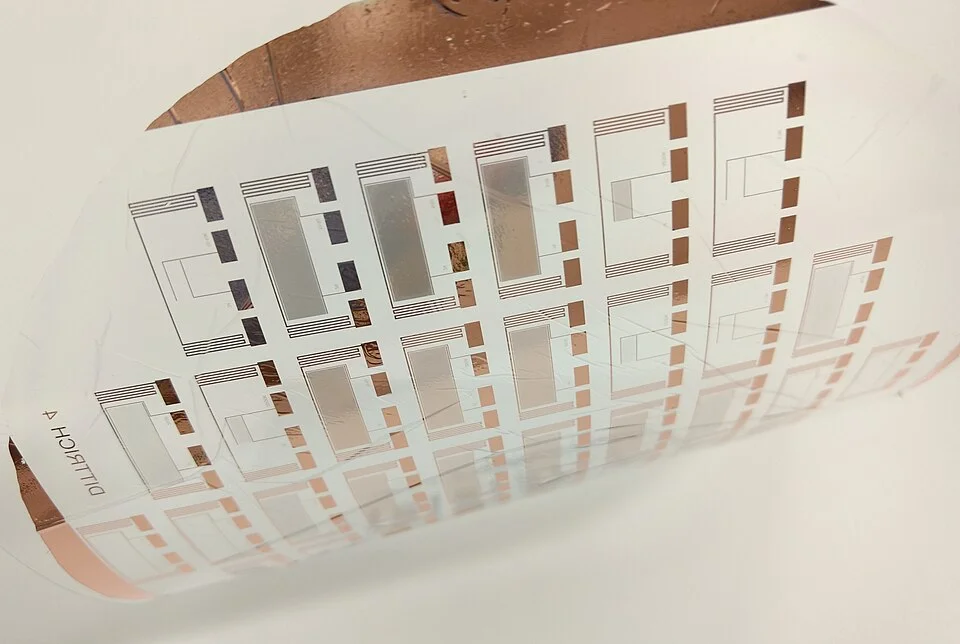
MIT and NY Creates made a transparent, bendable platform for chips that guide light. A temporary support let them keep the precision of a rigid factory process, then remove the material that gave the wafer its stiffness.
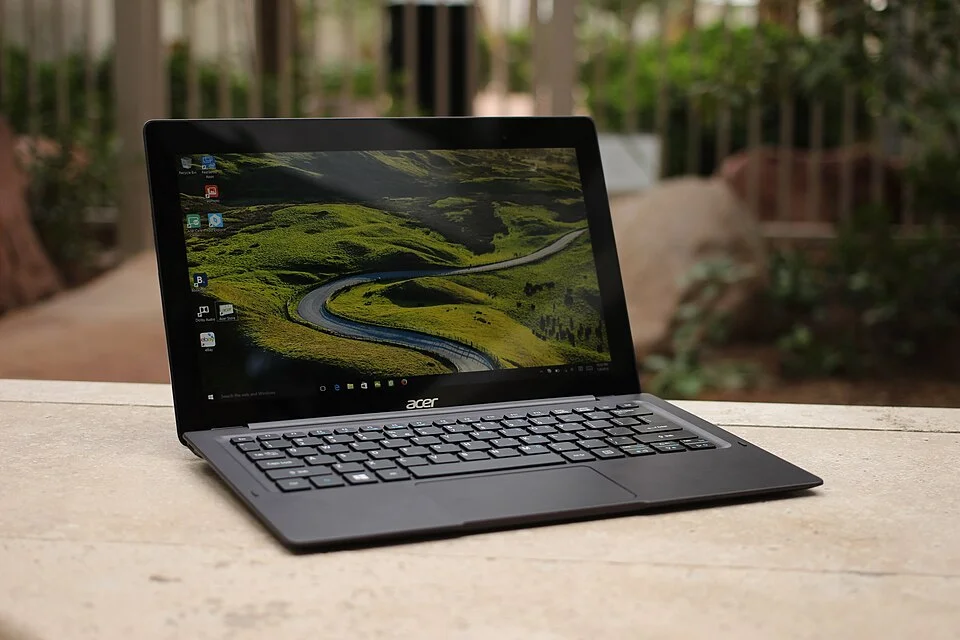
The Vero 16 has a latch for opening the bottom and an engraved guide inside its design. The more consequential question comes later, when a battery, hinge or port actually needs replacing.
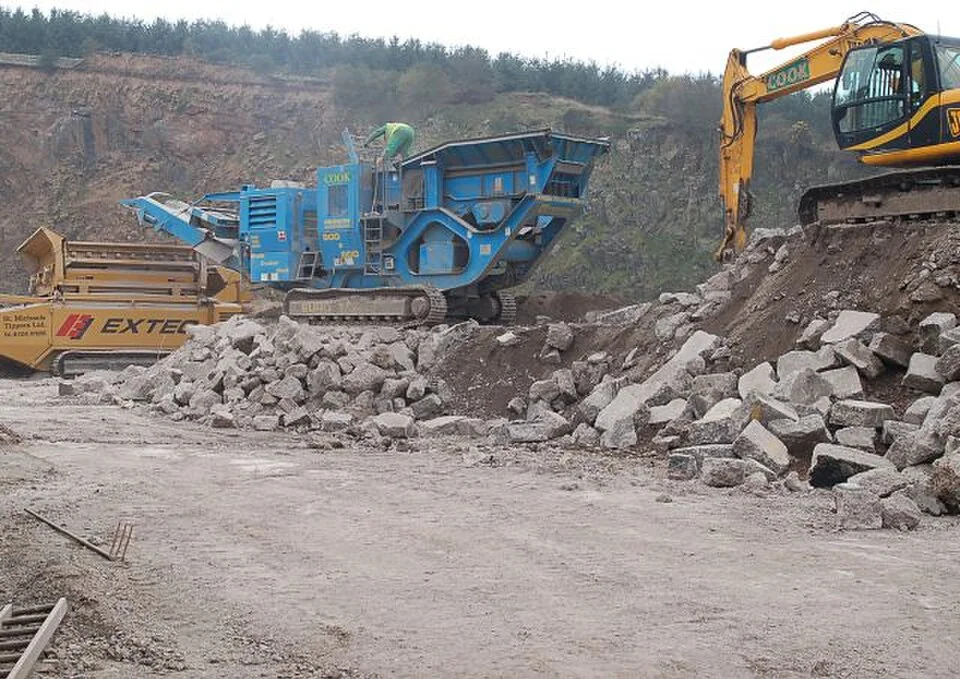
Researchers tested concrete containing recycled aggregate against mixtures using fresh stone. The harder comparison was keeping the sizes of the particles constant while changing where they came from.
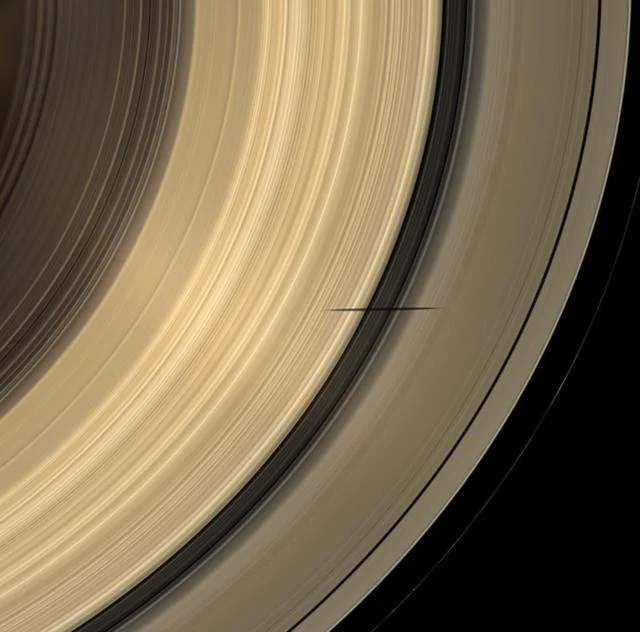
Astronomers checking ground-based pictures spotted a possible new feature. Years of Hubble images let them trace a ten-sided wave backwards through Saturn’s changing seasons.
A US National Science Foundation award of nearly $8 million links two state universities and three community colleges. Their shared problem is how electronics behave when working conditions turn harsh.
Europe’s Samba spacecraft reentered over the South Pacific at the time its controllers predicted. A flight from Tonga turned an orbital calculation into a chance to observe a spacecraft’s final journey.
A rooftop experiment showed that researchers could recover information from a light pattern even when the atmosphere changed its appearance. The result came with a measurable limit.
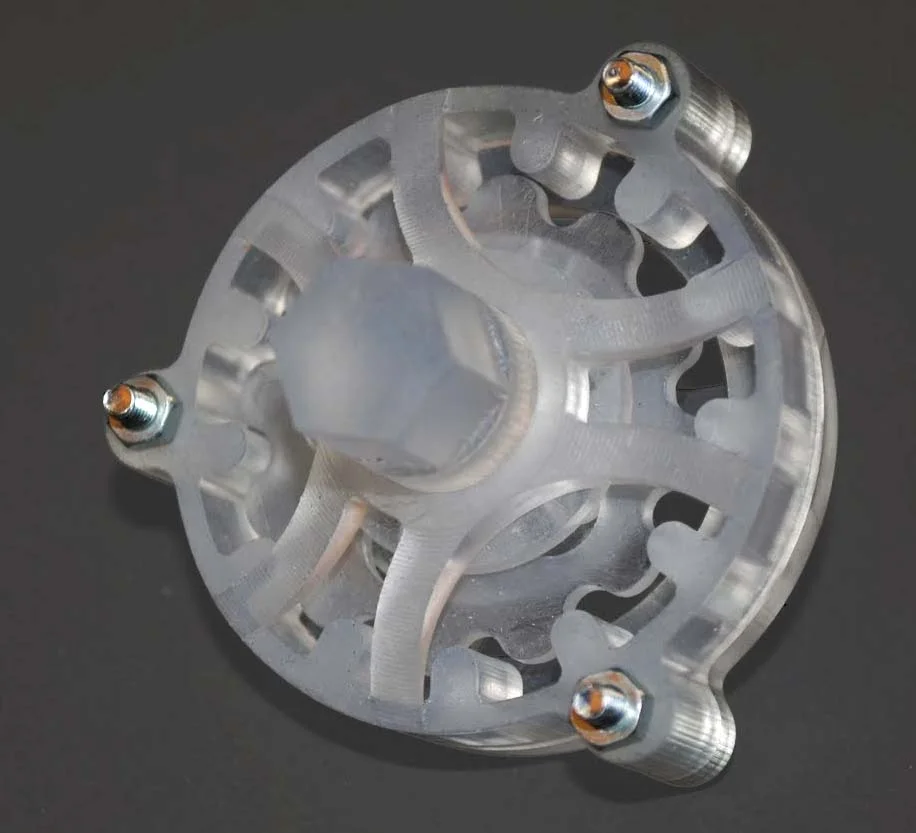
Researchers built modular blocks that change both shape and electrical connections as they move. A steering wheel, a sponge and a tyre pump gave them a way to test the idea.
Astronomers know a giant planet circles Epsilon Eridani from the motion of its star. A planned experiment aboard NASA’s Roman Space Telescope aims to catch light from the planet itself.
An African Tech Futures Lab and Ember analysis uses Chinese panel shipments to estimate installations across Africa. Its model fills a gap left by small, scattered systems.
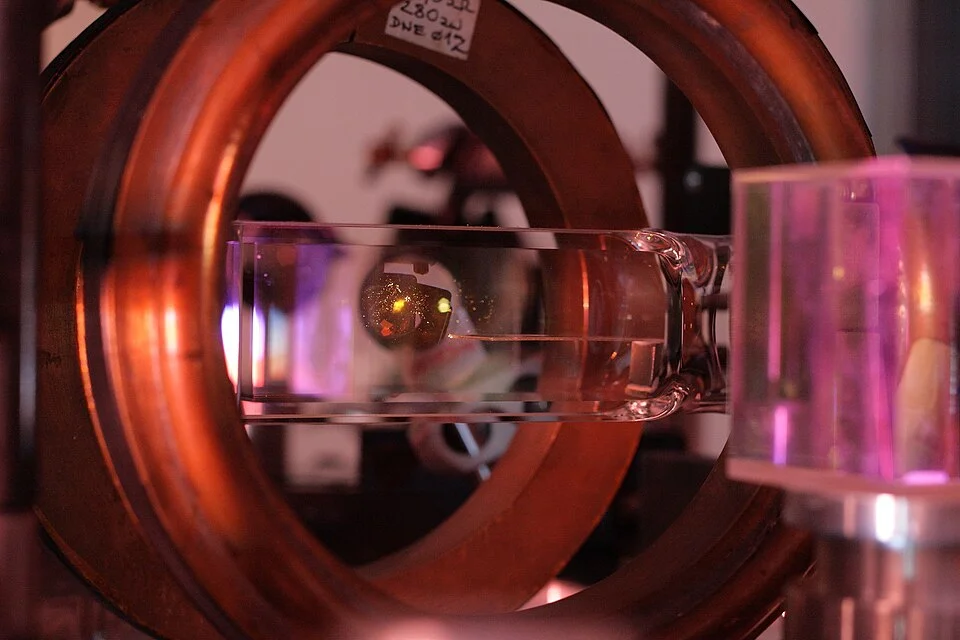
The neutral-atom system brings together hardware, software and a way to read out a result. Its starting scale and the much larger numbers in its roadmap belong on different timelines.
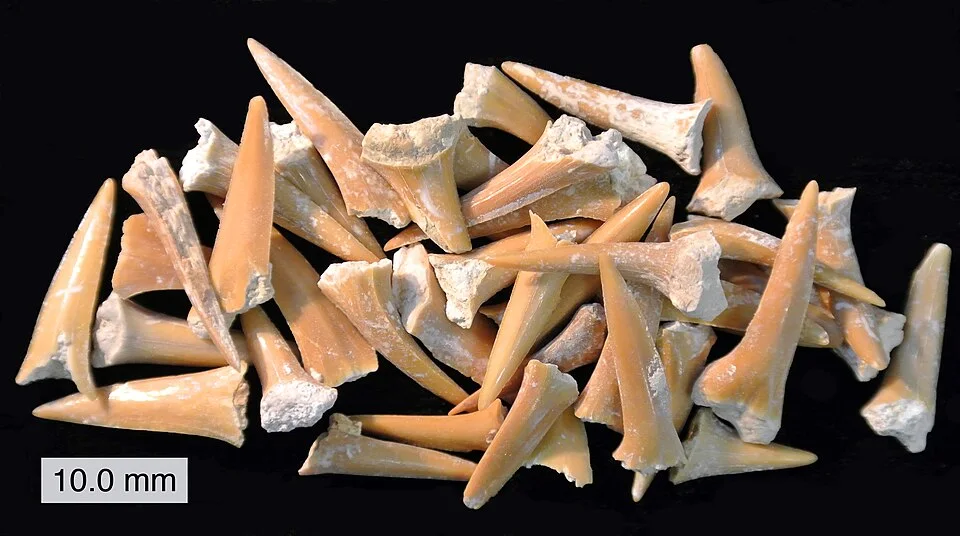
Fossils from a phosphate bed add at least five kinds of shark to the record at Abu-Tartur. The rock preserves a span of ancient time in a remarkably thin slice.
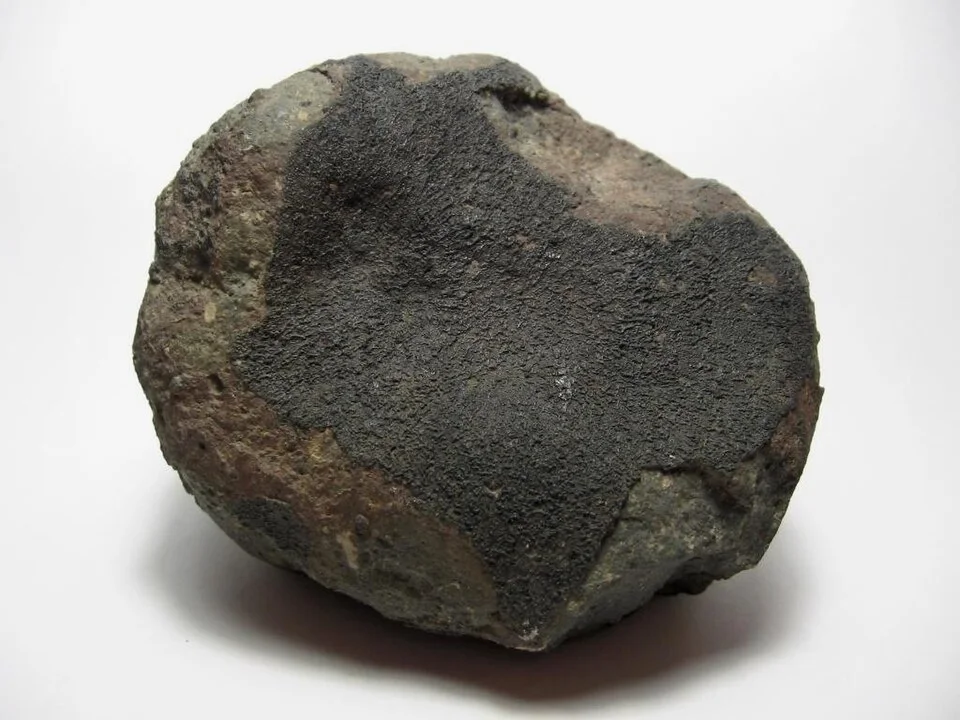
Tiny grains from a meteorite recovered in 2008 retain a signal from the early solar system. Their age and the rock’s relatively quiet history make the evidence unusually valuable.
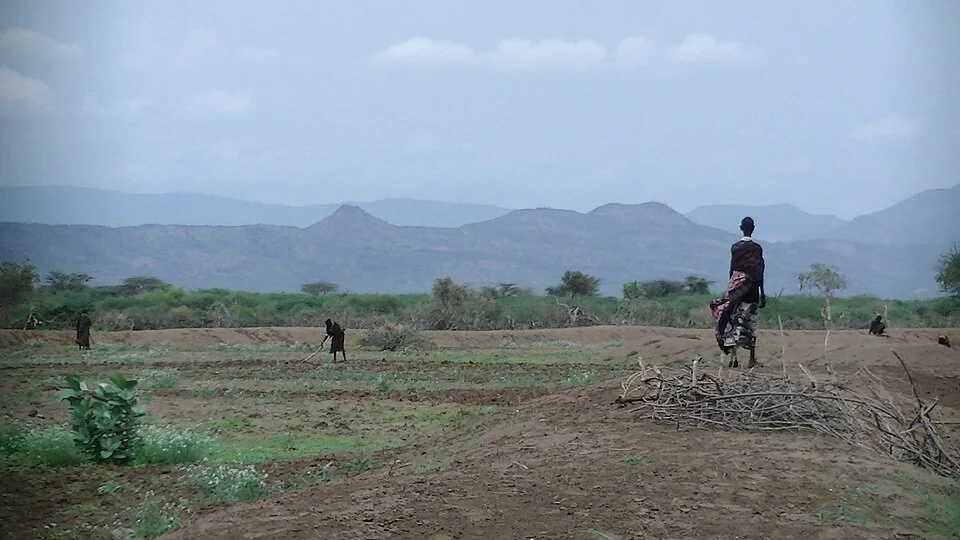
Stockholm’s water conference opens with Kenyan irrigation tools on the programme. Free satellite measurements can show where crops use water differently, if someone knows how to interpret them.
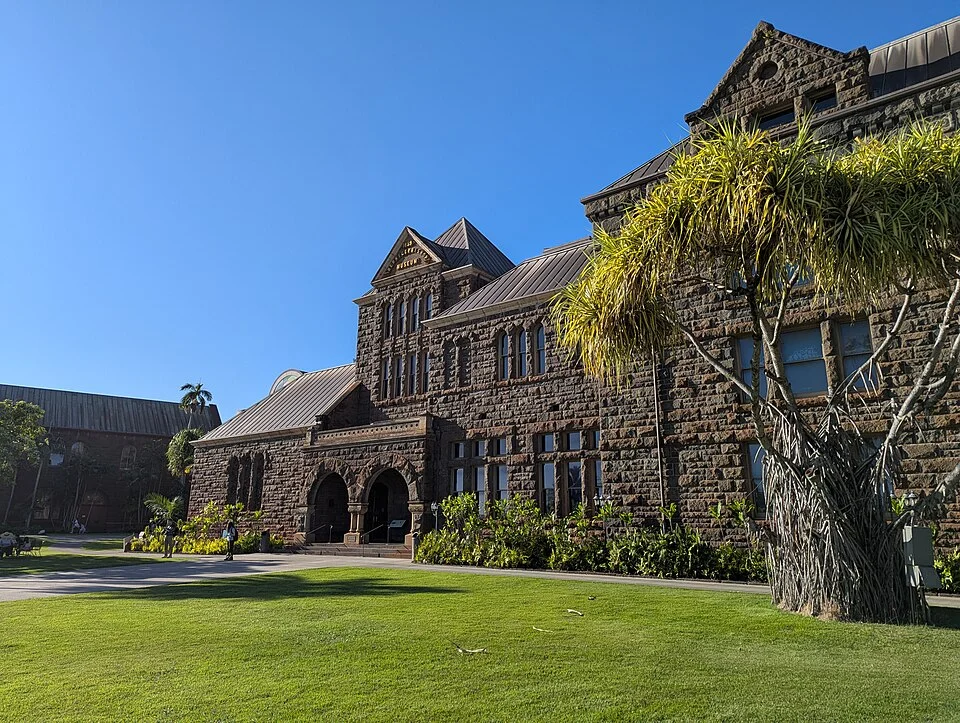
The Lānaʻi hookbill survives as a single museum specimen. Scientists used it to learn which other honeycreepers shared its history, and why a familiar branching diagram needs an extra line.
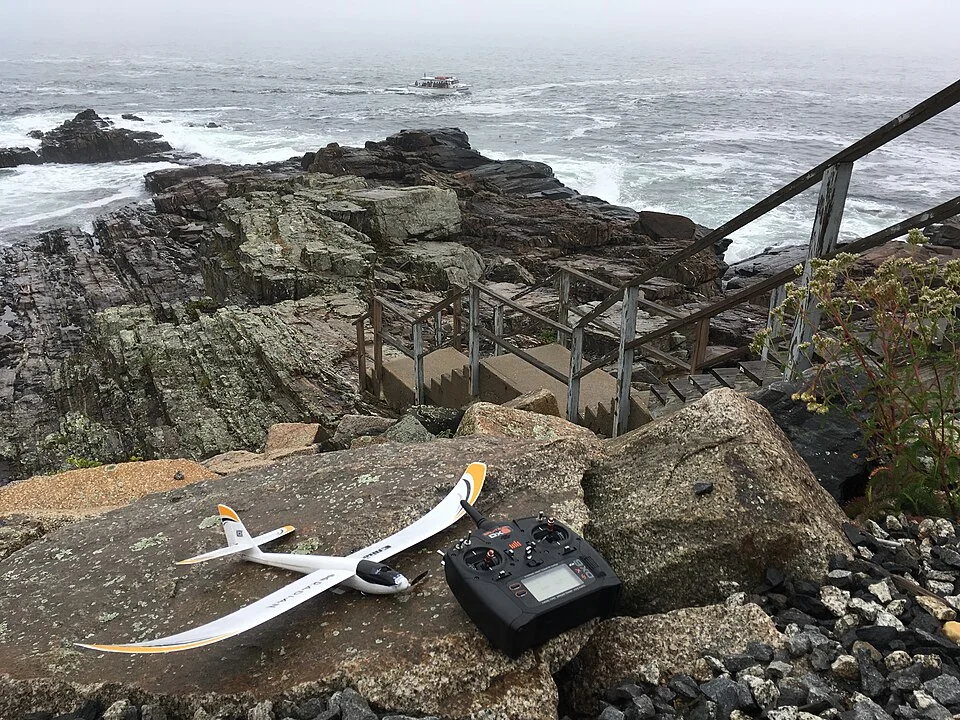
California researchers built energy storage into the wings of a small glider. The more unusual result came when they recovered a component and used it in another device.
A Heidelberg team took a durable printed structure back to its molecular building blocks and turned them into printable material again. Industrial recycling poses a longer list of tests.