- A Wits and Bordeaux team tested structured light in a 270-metre open-air link.
- Information fidelity exceeded 98% in most tested conditions and fell to 86% in the most severe.
- The demonstration measured recovery of encoded information. A commercial link would also have to meet range and throughput requirements.
Inside this story 2 perspectives
Sending a pattern of light across an open space poses a deceptively simple problem. The sender knows exactly what the pattern looked like at the start. By the time it reaches the other end, pockets of moving air may have changed it enough to make the original difficult to recognise. At the University of the Witwatersrand in Johannesburg, physicists put a different question to the atmosphere. What if the receiver could read something about the pattern that survived those changes?
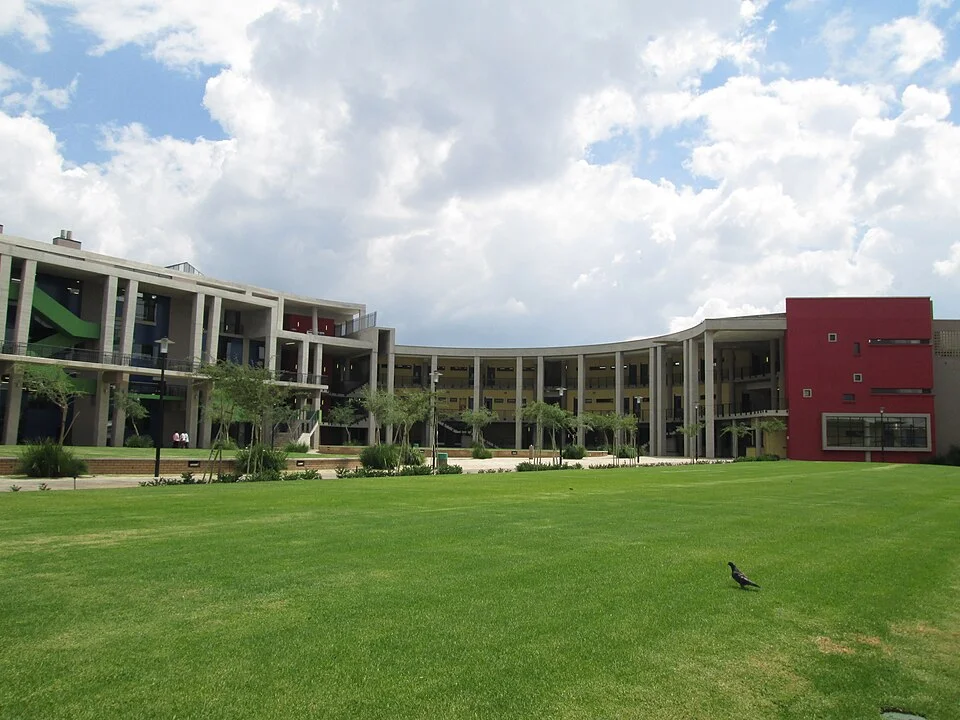
On 25 August Wits described a field experiment conducted by a team from the South African university and the University of Bordeaux. They sent structured laser light over 270 metres between campus buildings. The light changed substantially during its trip. Even so, in most of the conditions tested the researchers could recover the encoded information with fidelity above 98%. Under the most severe conditions they tested, fidelity fell to 86%.
Looking for something that survives
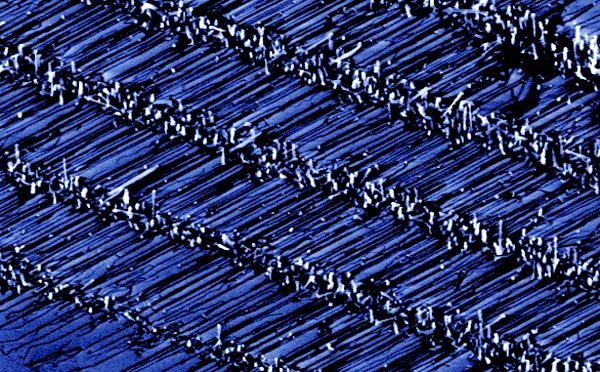
Light has several properties a system can use to carry information. One is polarisation, which describes the orientation of the light’s electric field. The team arranged the polarisation across a beam to create a structure known as an optical skyrmion. A mathematical property of that arrangement, called a topological number, provided a way to distinguish the patterns they sent.
Think about identifying a loop drawn on a sheet of rubber. Stretch the rubber and the loop looks different, but it still encloses a space. An optical skyrmion is considerably more complex, yet the same distinction between appearance and an underlying property explains the attraction. The receiver need not recreate every detail of the original picture to recognise some information carried within it.
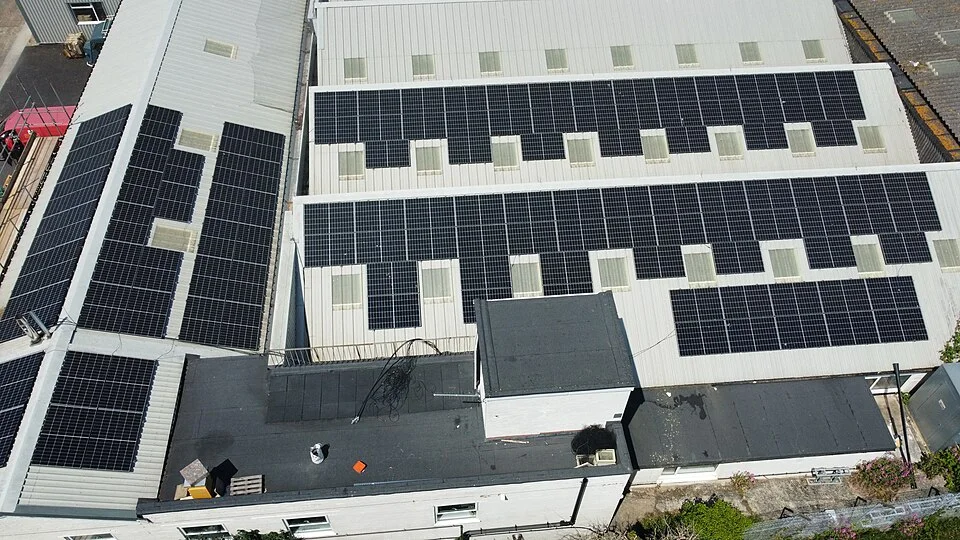
Earlier controlled experiments had suggested that these patterns could withstand simulated atmospheric disturbances. A Johannesburg rooftop brought a less accommodating test. The air between the buildings changed on its own schedule, and the receiver sometimes saw a severely distorted pattern. The researchers could compare its measured properties against the pattern they had actually transmitted.
From a campus test to a working link
For a company deciding how to connect two buildings, the relevant questions extend beyond whether a symbol can get through. How many symbols can the equipment send each second? How much light reaches the other building during poor weather? What happens when the signal disappears altogether? A result about resistance to turbulence settles only one part of that design.
The reported decline to 86% is especially informative. Even a property that survived the measured distortions could become harder to identify in practice. Knowing when that happens lets a future experiment ask a sharper question about range, error correction or the receiving equipment. For now, the team has shown outdoors that a beam can arrive looking quite different and still give up much of the information it carried across the campus.