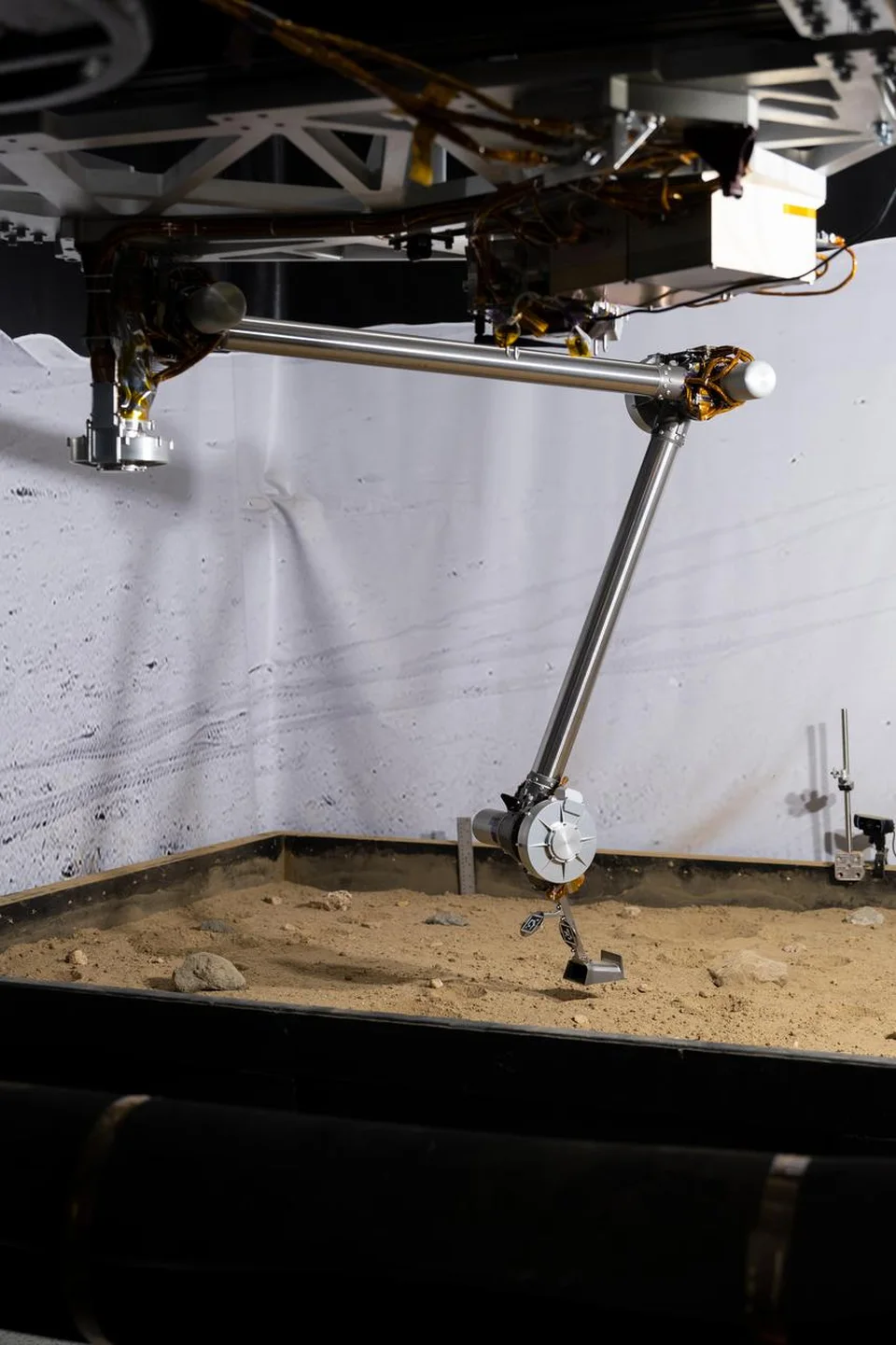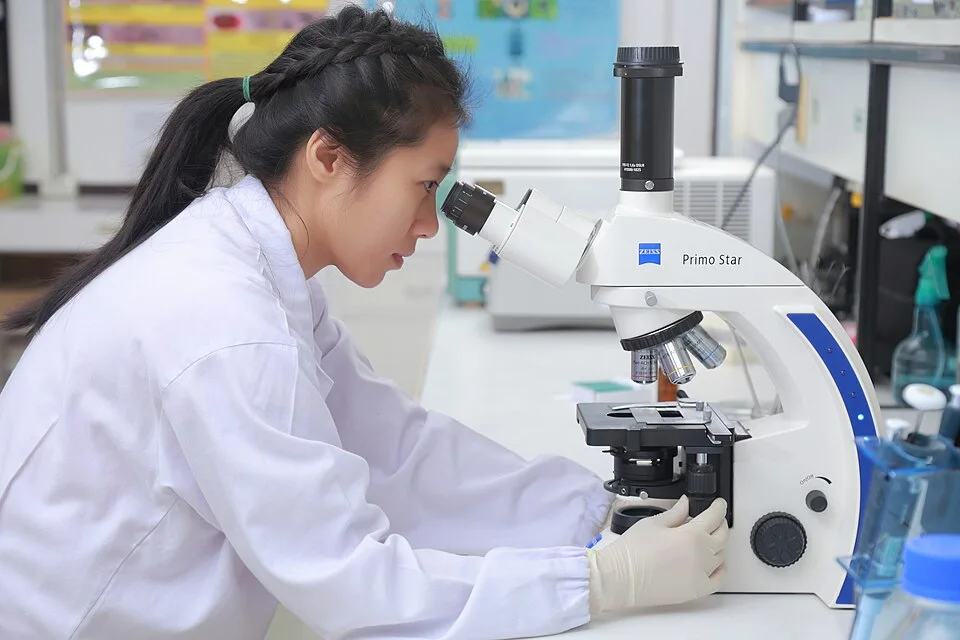
- The Hanyani centre includes microscopes, 3D printing technology and digital resources.
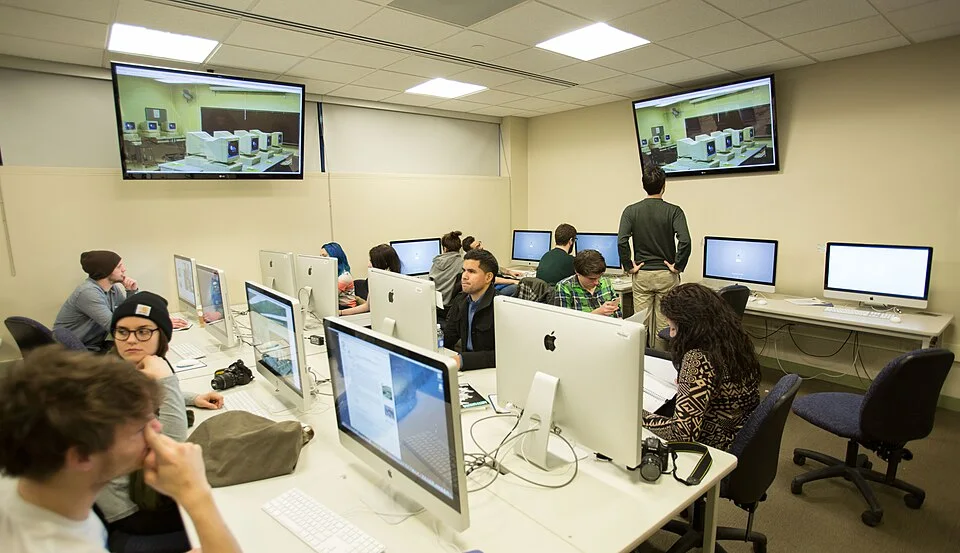
- An existing learning centre had already brought books, computers and Wi-Fi to the school.
- The earlier rise in matric pass rates predates the new science centre.
Inside this story 1 perspectives
A school can teach the parts of a microscope from a diagram. Giving a learner time to focus one, lose the image and find it again takes a different kind of classroom. Hanyani Secondary School in Limpopo is adding that opportunity through a science centre developed by the University of Johannesburg and Barloworld. The partners scheduled the official opening for 7 September at the school, which serves several villages between Thohoyandou and Musina.
The university's advance notice lists microscopes, 3D printing technology and digital learning resources among the equipment. These are different tools for thinking about a science question. A microscope allows pupils to return to the same specimen and compare observations. A printer can turn a design on a screen into a model that a second learner can examine and question. Both make it possible to revisit a result when two pupils disagree about what they saw.
The school had already built the foundations
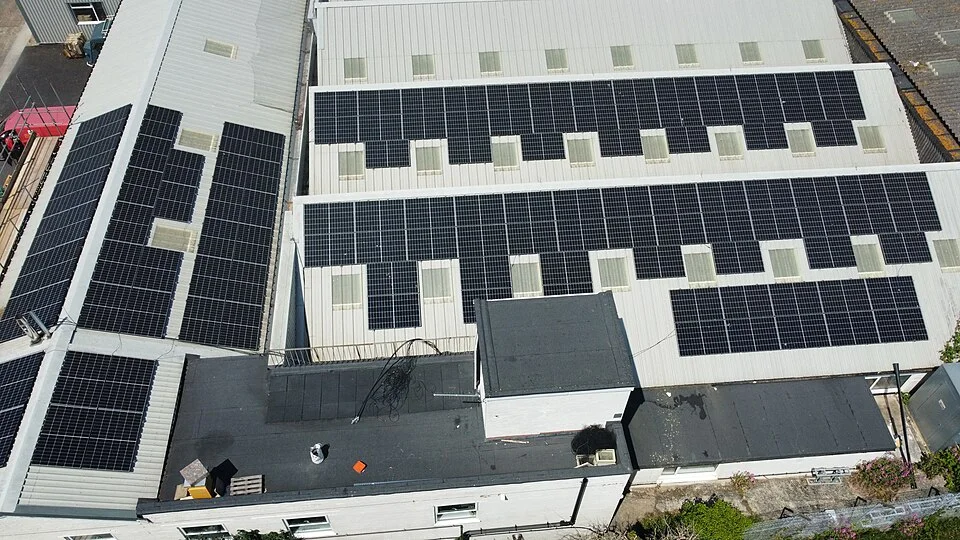
The work at Hanyani sits inside a longer relationship between the university and communities in the Vhembe district. The university traces its local initiative to 2014 and names Gwakwani, Matatani and Mbodi among its partners. Projects have covered electricity, water and connectivity. The school already has solar panels and a learning resource centre with computers and books.
The earlier learning centre had a different set of partners. Reporting on its 2023 launch, the South African Jewish Report described a collaboration between the university and the South African Jewish Board of Deputies. Investec donated computers, members of the community supplied books, and the centre offered uncapped Wi-Fi. The school governing body chose a Tshivenda name invoking the idea of working together. The new science equipment adds a practical facility to what learners and teachers already had.
The timing is important when people ask what better facilities can achieve. In January 2025 the Limpopo Mirror reported that Hanyani's matric pass rate had risen from 57% in 2023 to 92.1% in the following examination year. Teachers, school management and university partners were already involved. Those results occurred well before the September 2026 science centre. They offer context for the investment and cannot establish its effect.
The evidence to watch next will be closer to the classroom than an opening-day photograph. A class needs scheduled access, working supplies and a teacher with time to let learners attempt a task more than once. Over time the school will be able to see which pupils take science subjects further and which activities teachers can sustain. For now, the concrete change is smaller and more immediate. Someone who has only seen a specimen in a book will have a place to look for themselves.