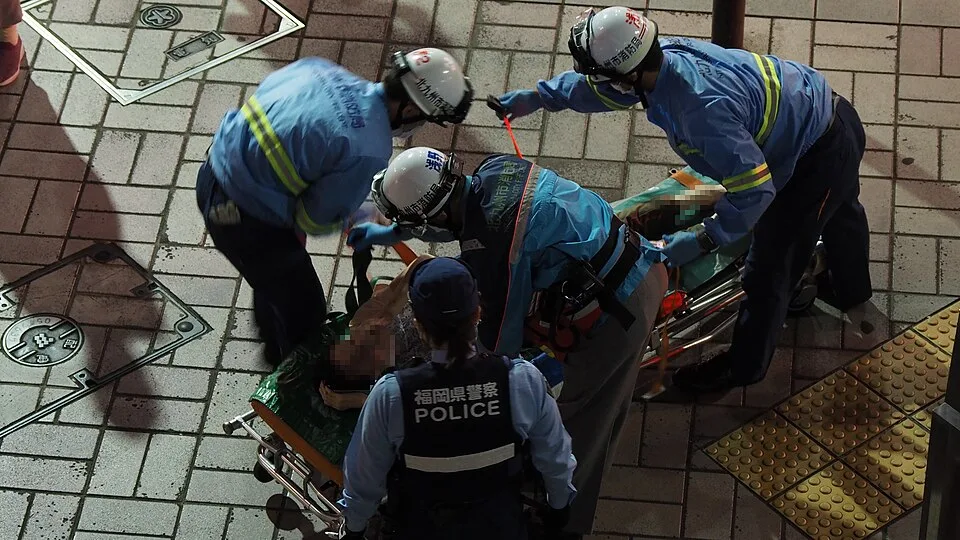
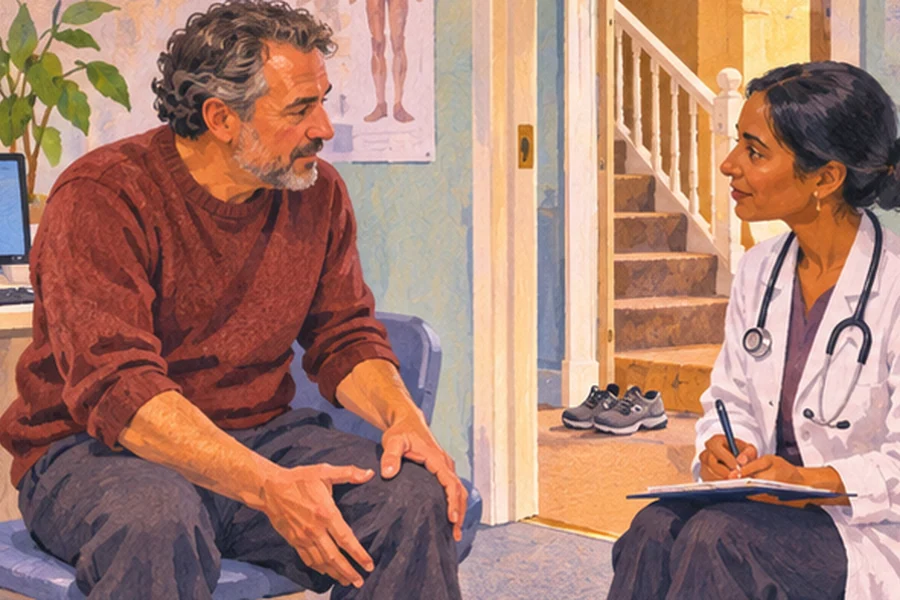
World Stroke Day asks bystanders to recognise sudden changes in the face, arms or speech. Telling the emergency dispatcher when the person was last well can be as important as describing what changed.
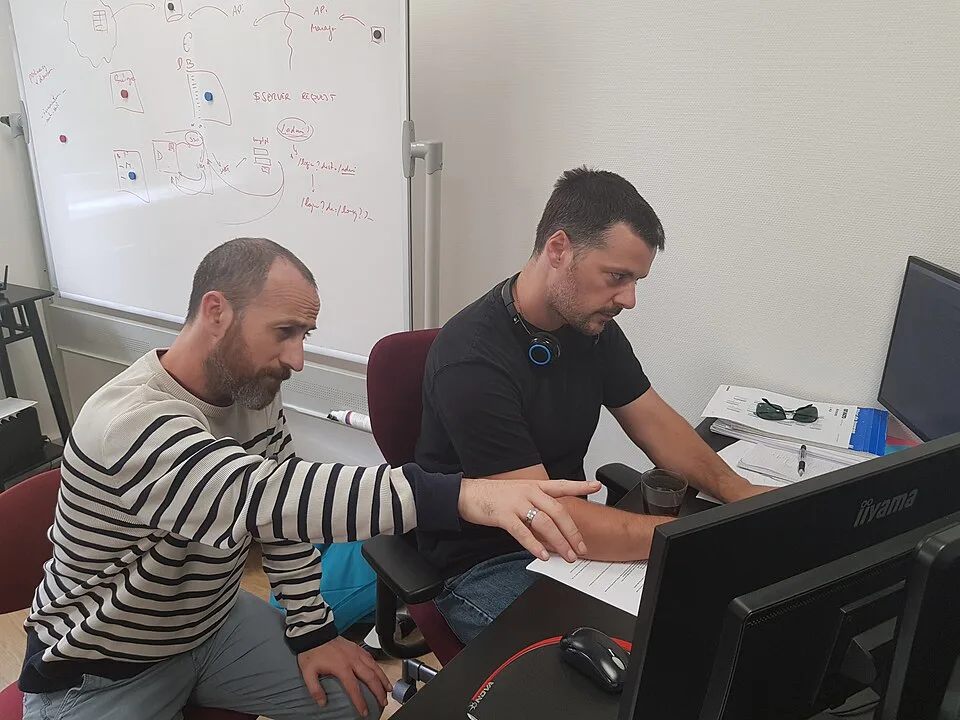
A Washington workshop pairs people who oversee a library’s strategy with people who handle its collections. Their different responsibilities make a proposed change easier to test.
LinkedIn’s new data connects AI skills with hiring and promotion. The most useful response is to demonstrate judgement and results, rather than add another fashionable phrase to a profile.
World Occupational Therapy Day focuses on participation. Describing the exact part of an everyday activity that has become difficult can give a discussion with a therapist a more useful starting point.
As Global Media and Information Literacy Week begins, a competition among twenty school newspaper clubs gives an abstract skill a concrete purpose. A classmate might act on what they publish.
International Stuttering Awareness Day highlights the variety of people’s experiences. For a listener, making a conversation easier can mean giving up the urge to supply the next word.
Oxford’s open research workshop offers a prompt to try a small exercise. Give a colleague one file and enough information to interpret it independently.
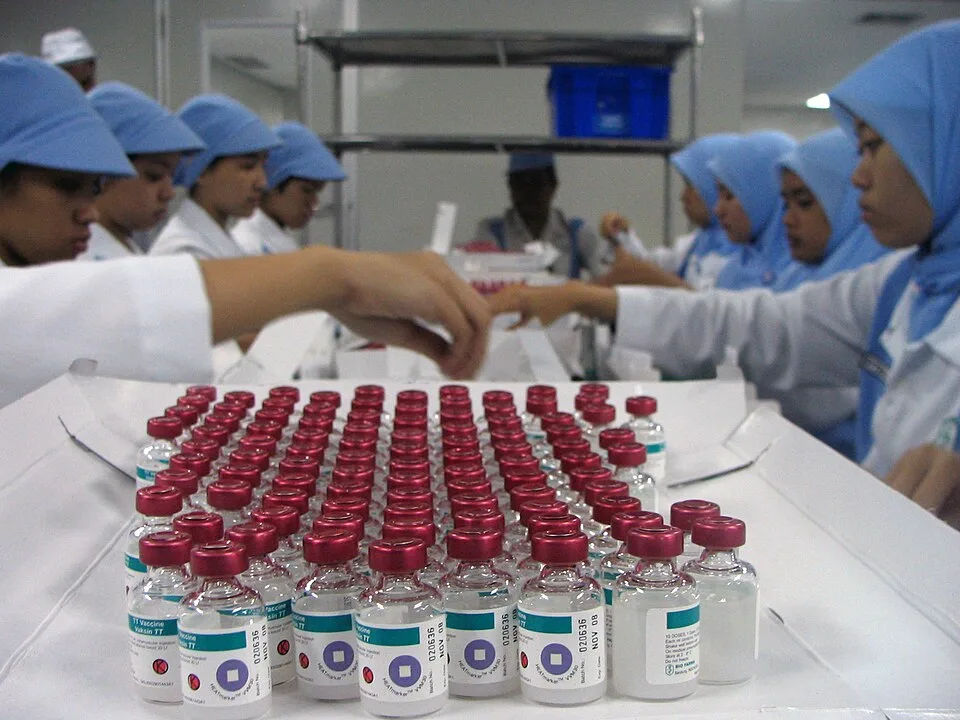
A procurement deal could free up US$50 million for childhood immunisation. Its promise hinges on a new factory qualifying and on clinics reaching children for all four doses.
Columbia’s newly published Climate LIVE calendar gives students half an hour with a researcher. Its November biodiversity session is a chance to practise asking a question at the right scale.
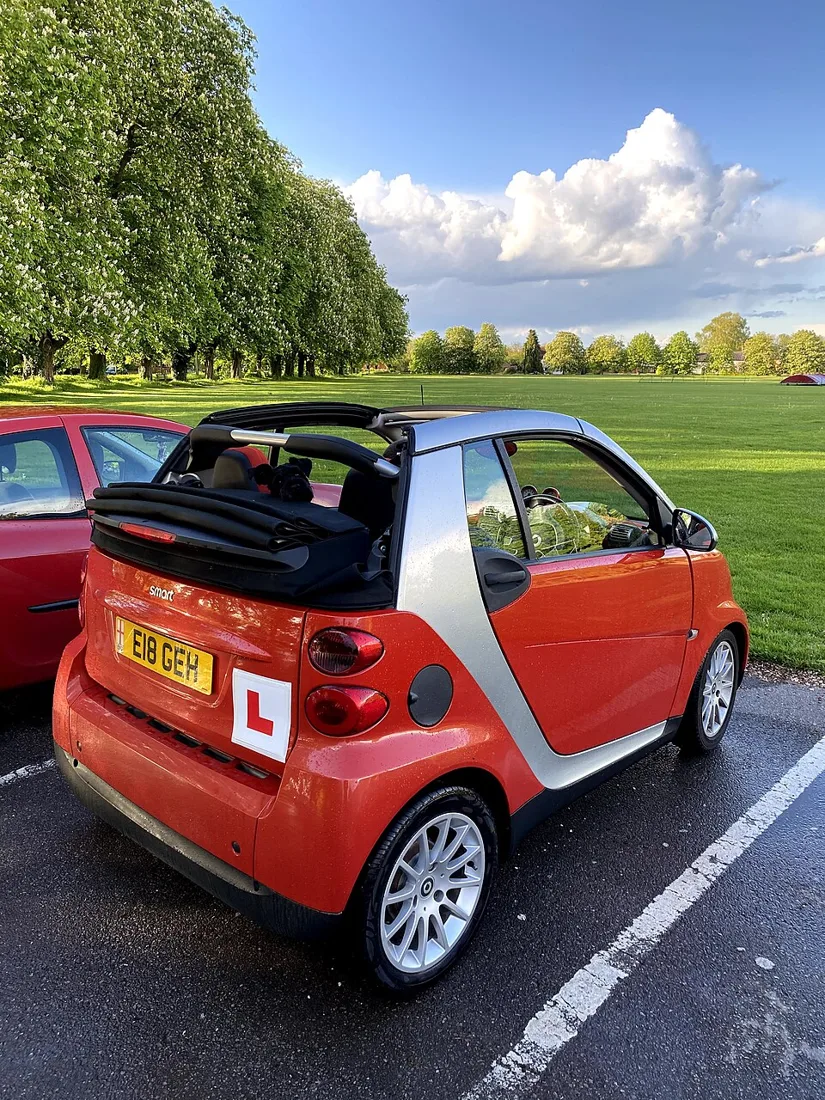
US Teen Driver Safety Week gives families a reason to discuss passengers, night journeys and phones. A written agreement works best when the adults have a part in it too.
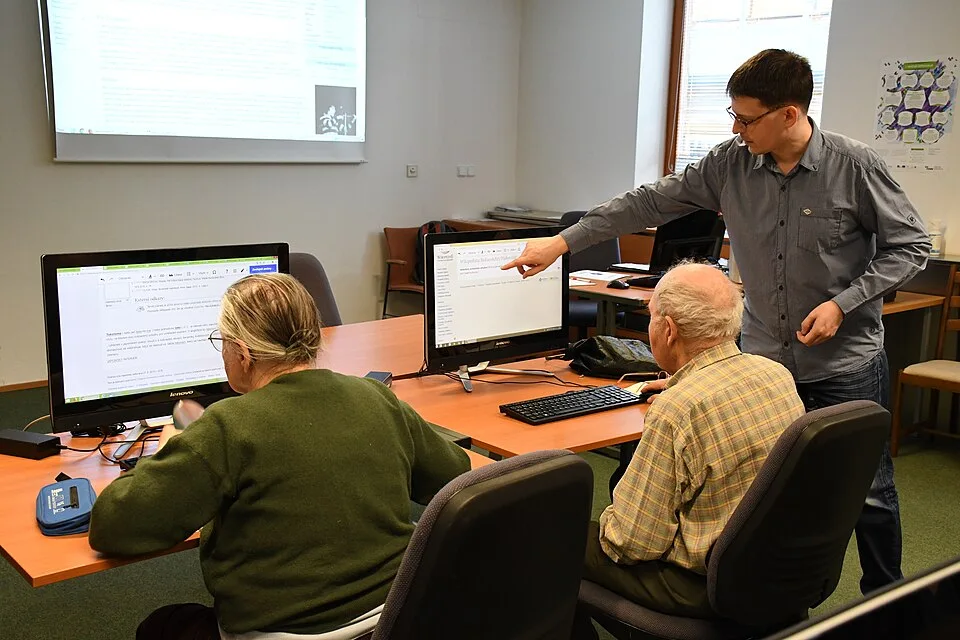
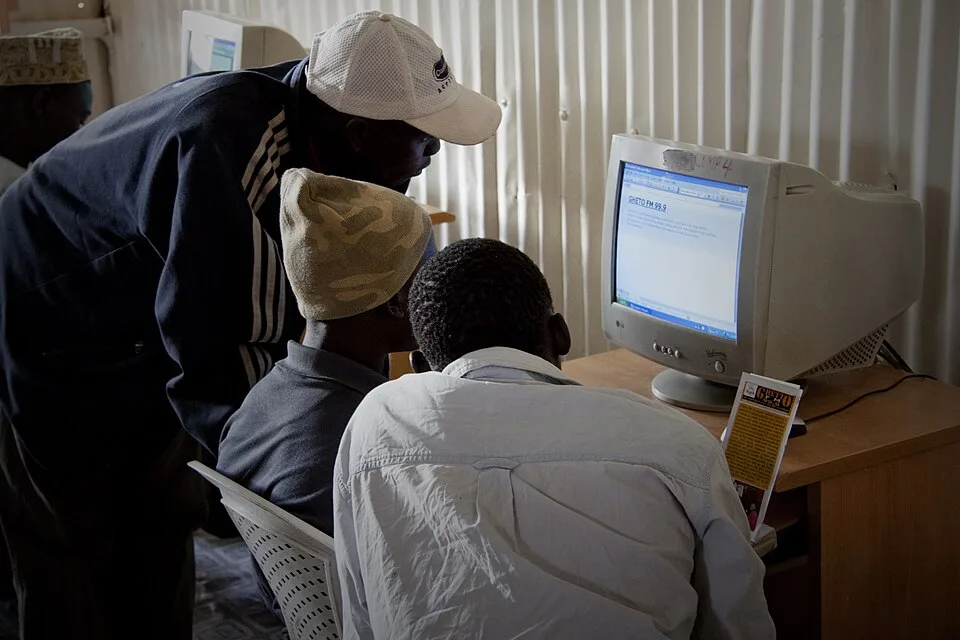
A free face-to-face session on 19 October gives residents a place to bring questions about phones, job searches and online public services. Similar events in Wakefield take a different route into the same skills.
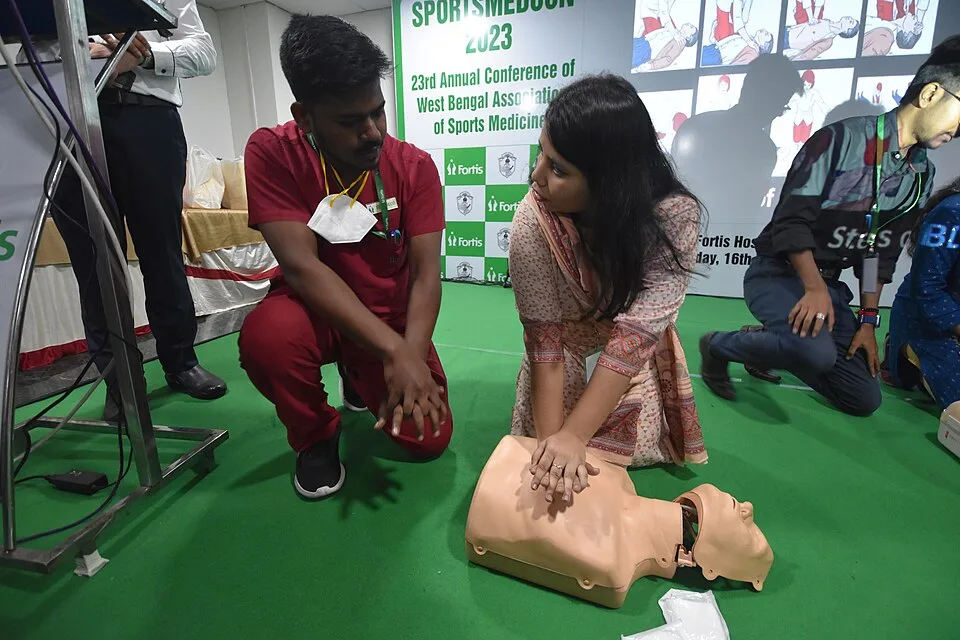
For World Restart a Heart Day, the South African Medical Research Council demonstrated hands-only CPR. Calling for help, starting compressions and finding a defibrillator can happen together.
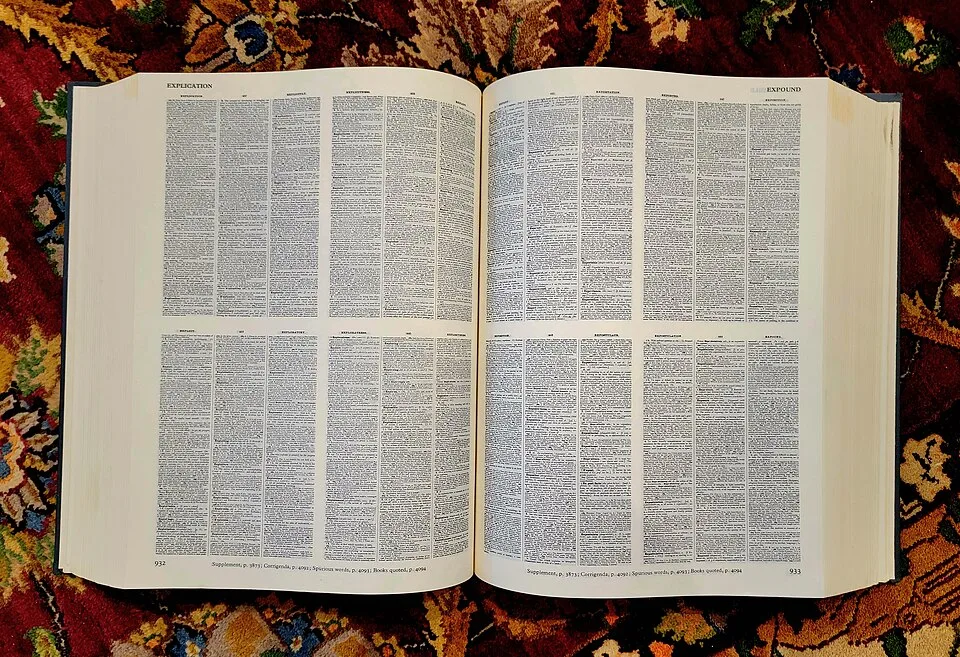
For US National Dictionary Day, a classroom can use one word to explore the difference between its earliest recorded appearance, its first spoken use and the meaning it has today.
A province-wide practice at 10:15 and a local alert test at 10:30 give residents a chance to check both their protective actions and how emergency messages reach them.
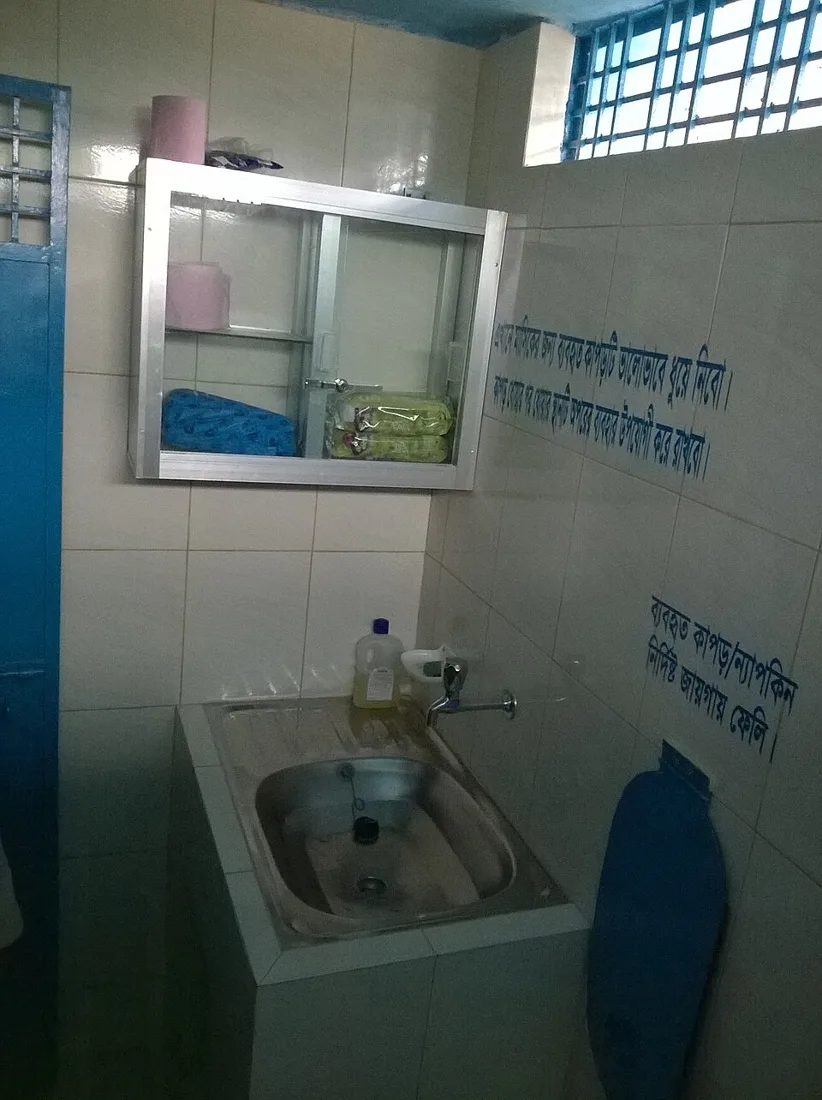
Ahead of Global Handwashing Day, UNICEF points to schools that lack soap and water. For families and teachers, the practical test is what happens between a classroom and lunch.
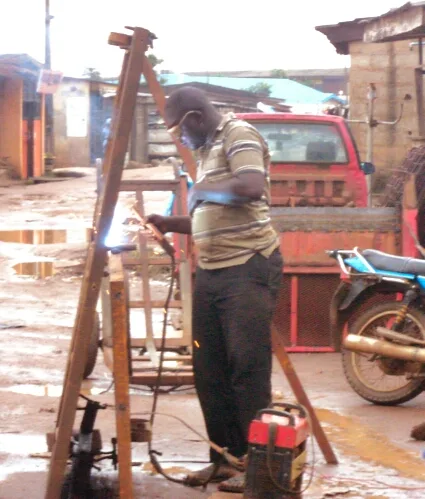
At Africa Skills Week in Harare, one question concerns workers who already have practical experience. What would it take for that experience to count towards a formal qualification?
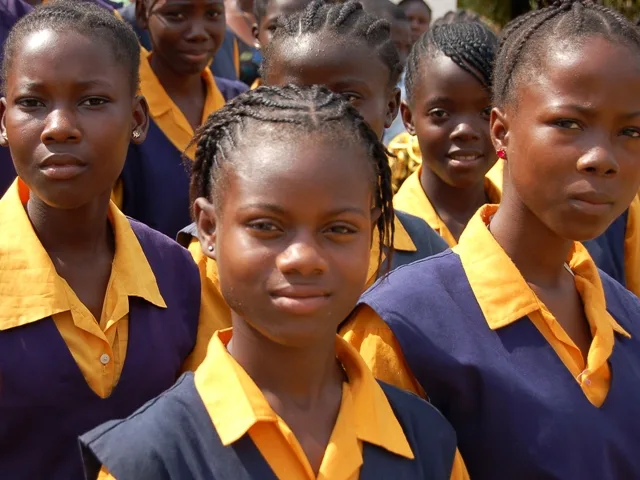
Girls helped select the theme of this year’s International Day of the Girl. UNICEF’s participation guidance gives schools and community groups a way to carry that principle into an actual decision.
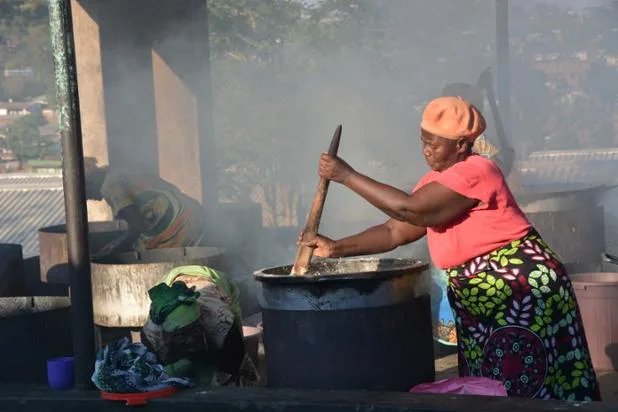
For World Porridge Day, one Malawian school names a local recipient for donated food. Its choice shows why an organiser should ask what is useful before deciding what to collect.
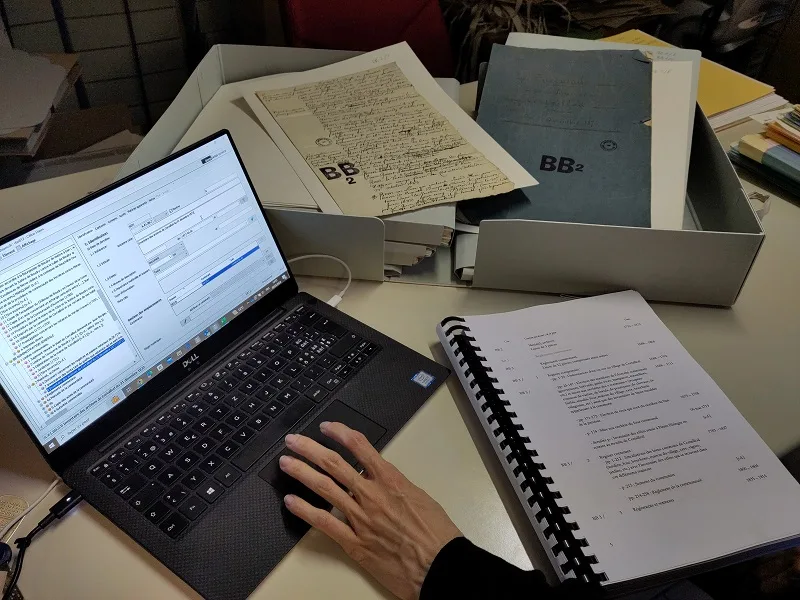
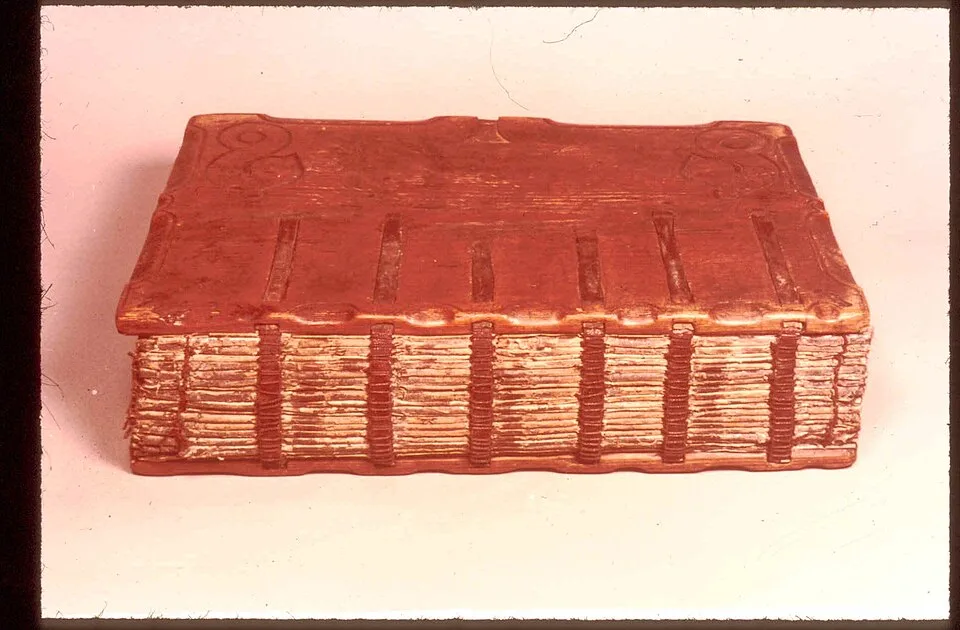
A Chicago workshop invites students to investigate parchment, pigment and glue. Following the materials in a manuscript can reveal the labour and trade that made the text possible.
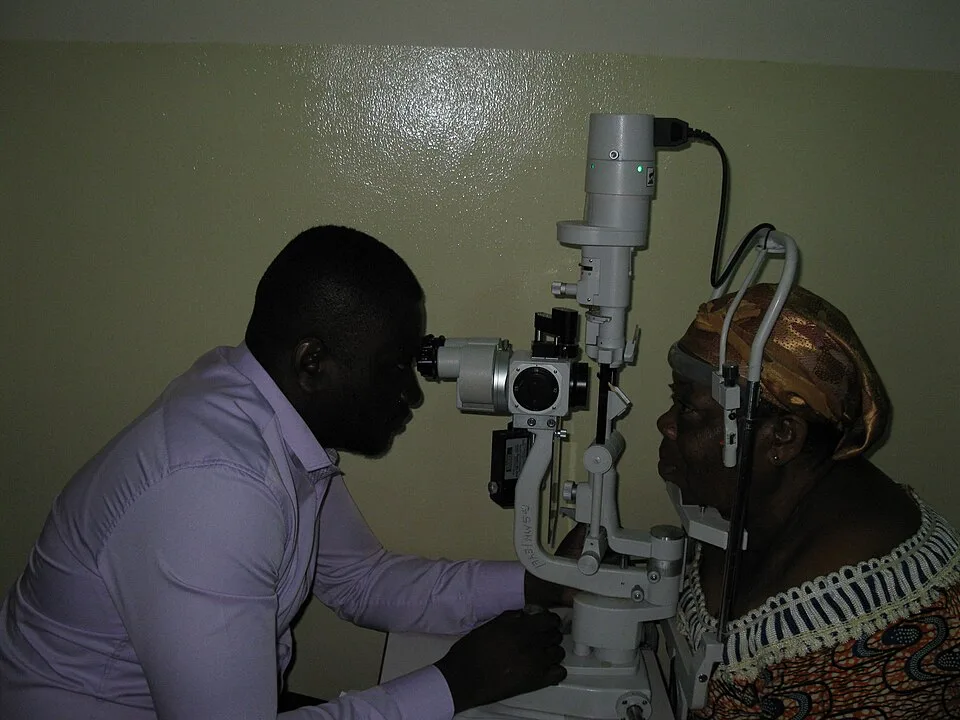
For World Sight Day, WHO’s Africa office estimates that about three in ten people needing spectacles get correction that restores good vision. The distinction matters after a school screening or clinic visit.