- The 11 October campaign calls for an end to child marriage and investment in girls’ rights.
- UNICEF says consultations with girls and girl-led networks helped shape the theme.
- Its participation guidance asks organisers to provide a safe opportunity to speak, an audience with influence and feedback about decisions.
Inside this story 2 perspectives
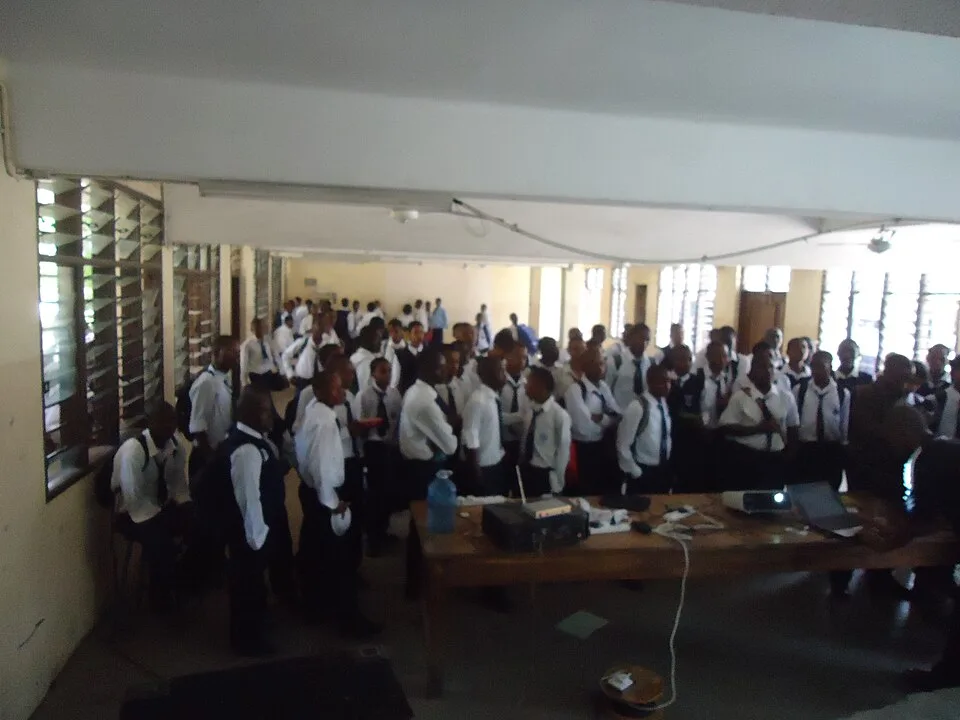
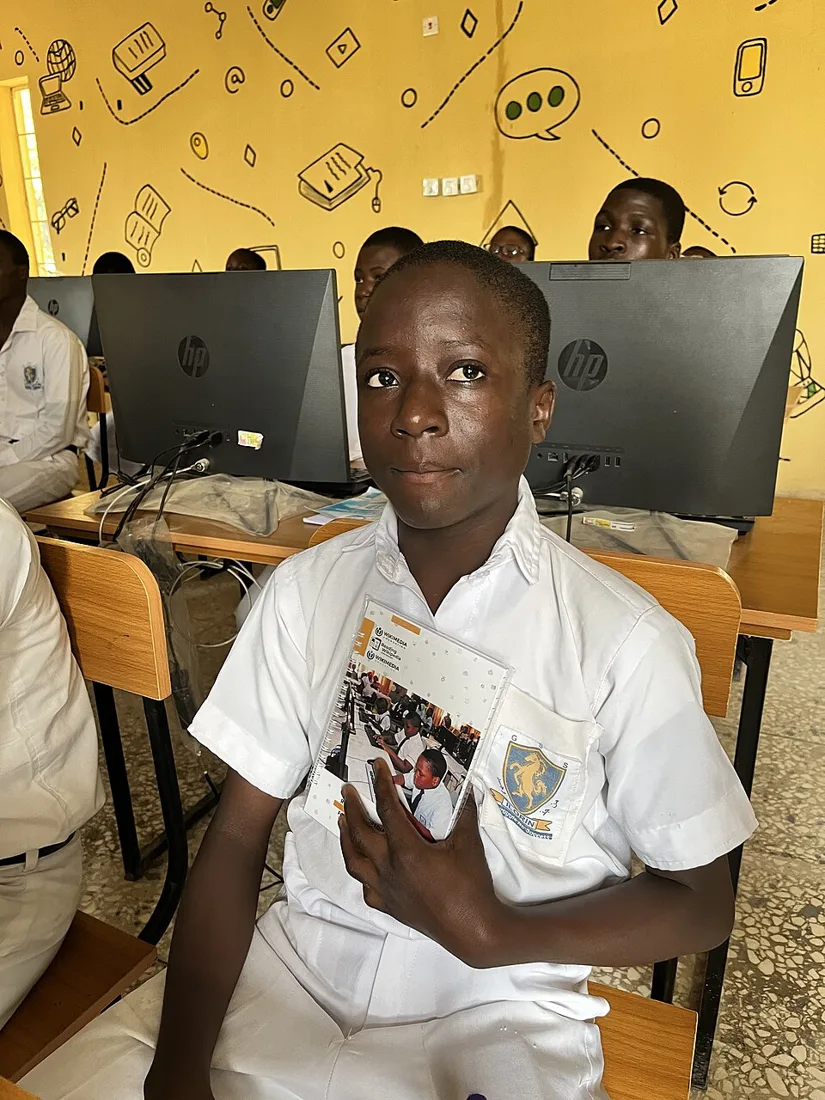
A school can invite a student to speak at an assembly without giving her any influence over a decision. It can also make a relatively small decision, about how a study group runs, with the people who have to use it. The difference matters on International Day of the Girl, 11 October. UNICEF says this year’s call to end child marriage and invest in girls’ rights grew out of consultations that included girls themselves, their organisations and girl-led networks.
In a statement for the day, African Union commissioner Amma Twum-Amoah also called attention to child marriage and investment in girls’ rights. UNICEF identifies staying in school, access to protection and social services, and working with families and communities as parts of prevention. A school discussion cannot by itself remove all the pressures that lead to child marriage. It can give young people a practical say in how the support within their reach is organised.
Begin with a decision that is still open
Suppose a community group has funding for an after-school study session. Before inviting views, the organiser can explain which choices are still available. Perhaps the venue is fixed while the time, the way participants get there and the content remain open. An invitation that spells this out is easier to use than a broad request for ideas made after every important decision is settled.
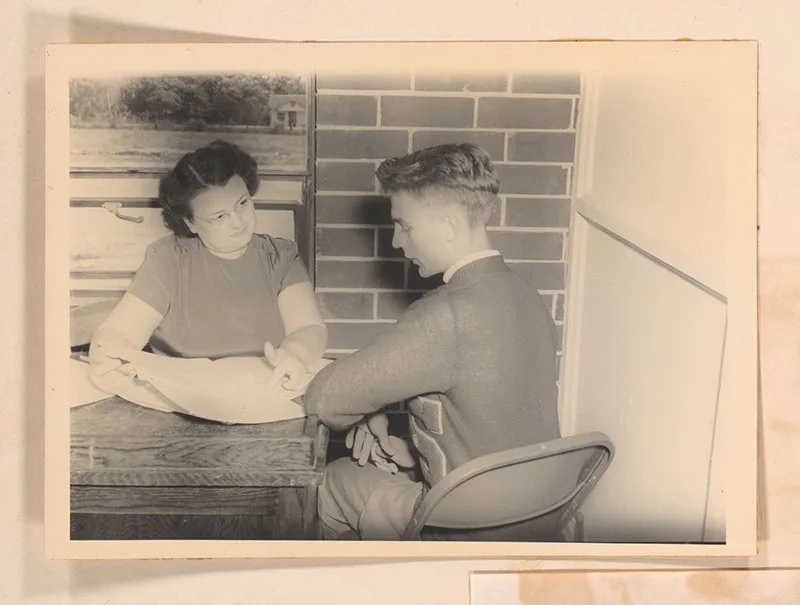
UNICEF’s guidance on adolescent participation describes the need for a safe and inclusive space, the means to express a view, an audience that listens and a route to influence decisions. In the study-group example, that could mean asking girls who cannot attend the usual meeting when and how they would like to contribute. A written suggestion or a small discussion may make sense for someone who does not want to address an assembly. Participation should never depend on publicly disclosing a personal experience of harm.
Return with an answer
Someone who can change the session needs to receive the suggestions. The organiser can set a date to explain what changed, what could not change and why. If the group moves its start time, it can ask later whether the change actually enabled more people to attend. That last conversation tells participants what their contributions did and gives them a chance to correct a well-intended decision that still fails in practice.
The adults remain responsible for resources, safety and action within their roles. The task for girls is not to solve gaps in public services through a speech. It is to have the opportunity, if they want it, to help shape a decision that affects their lives. A useful test comes after the meeting: can the people who spoke identify who listened, what they decided and when they will come back?