- The Newberry scheduled its Ecologies of Premodern Books undergraduate workshop for 9 October.
- Students are invited to examine collection objects and make ink, paint and glue.
- Catalogue details about a page’s support, writing medium and decoration provide separate starting points for research.
Inside this story 2 perspectives
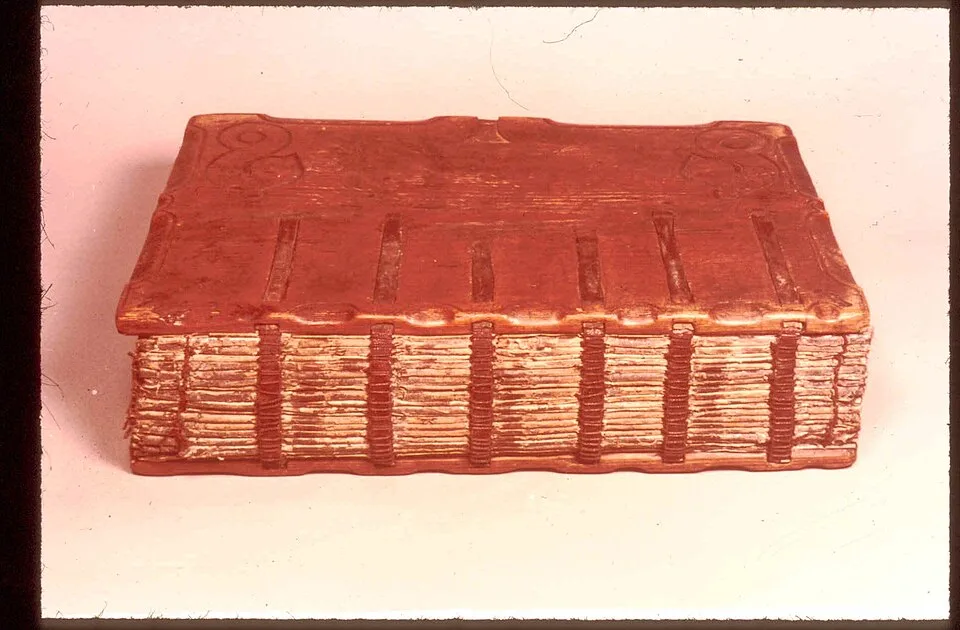
Try reading the catalogue entry for a manuscript in the order a maker would have had to think about it. First, what is the page made of? Then, what left the marks on it? How was it decorated, and how did the separate leaves become a book? You can answer some of those questions about a manuscript in a language you do not know. They lead to a different kind of literacy, one concerned with the decisions that had to be made before anyone could read a word.
That is the starting point for Ecologies of Premodern Books, an undergraduate workshop scheduled for 9 October at Chicago’s Newberry Library. Led by Elizabeth Hebbard of Indiana University, the programme brings together medieval and early modern material from the library’s collections and hands-on work making ink, paint and glue. The organisers describe the materials as evidence of how people managed resources, worked with the environment and participated in trade. Previous training was not required for the programme.
Three questions for a single page
A useful exercise begins with three separate observations. Identify the support, such as parchment or paper. Look for the material that carries the writing, then for the material used in the decoration. Keep the three answers separate even when they appear next to one another in a catalogue entry. Parchment records a choice about the surface. Ink records a choice about making a legible mark. Gold leaf or paint records yet another set of decisions about how the page should look.
The Getty Museum’s exhibition on making a medieval manuscript provides examples accessible outside Chicago. Its catalogue describes an image of Saint Luke made shortly after 1053 with tempera colours, gold and ink on parchment. It also includes a North African manuscript page dating to the 800s whose materials include pen and ink, gold paint and tempera colours on parchment. Similar words in two entries can be a starting point for comparison while the dates and places remind a reader to keep the objects’ histories distinct.
What a materials list cannot settle
The Newberry programme proposes making materials as well as examining finished books. Anybody who has tried to produce a consistent mark on paper will appreciate the difference between seeing the word “ink” and asking what its maker needed the ink to do. At the same time, recreating a material today does not establish exactly which recipe a scribe used centuries ago. Object records, the surviving page and further evidence still matter.
This is a skill a reader can practise with one catalogue entry and a photograph. Write down what the record explicitly identifies. Then write one question it leaves open, perhaps how a colour reached the workshop or who prepared the page. The first list protects what is known. The second gives the reader a reason to keep looking.