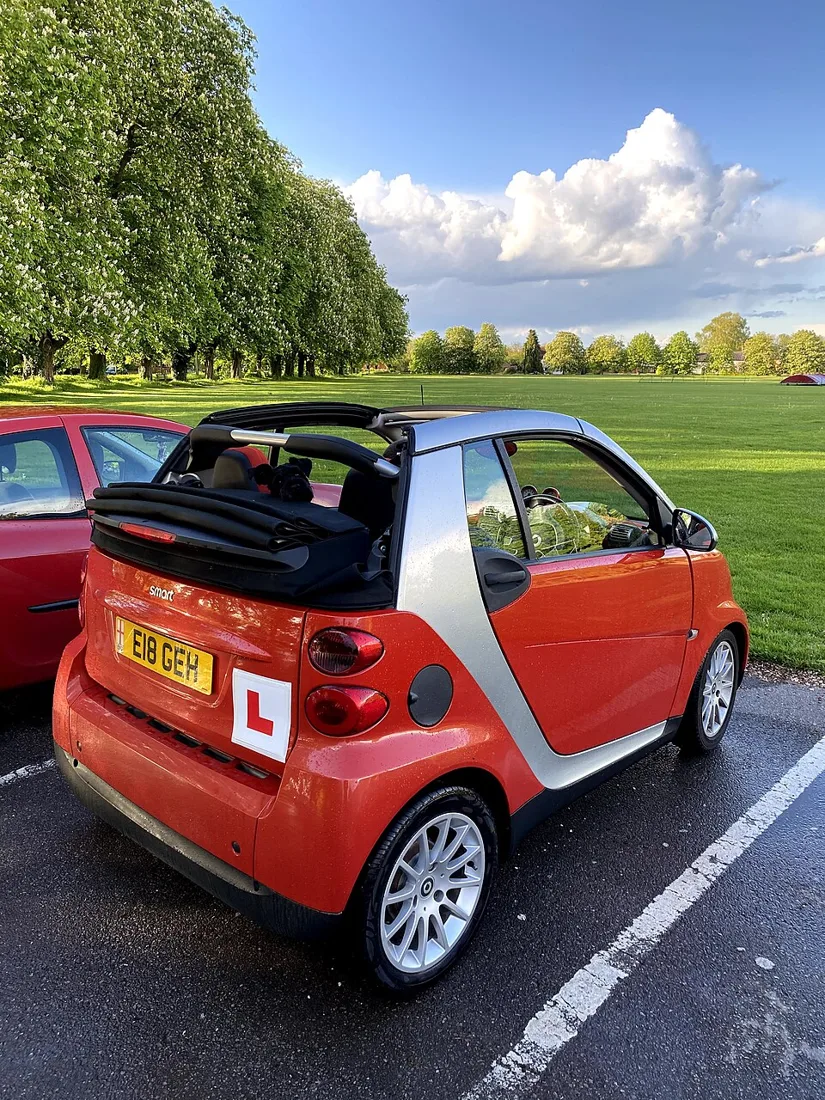
- National Teen Driver Safety Week in the United States runs from 18 to 24 October.
- The National Safety Council and US CDC provide parent-teen driving agreement tools.
- The National Highway Traffic Safety Administration urges parents to model the behaviour they expect.
Inside this story 2 perspectives
A difficult moment for a new driver is the point at which a friend opens the passenger door and assumes there is room for one more. It is easier for a teenager to answer if the family has already agreed who can ride, at what stage of driving experience and under what conditions. The discussion can take place at the kitchen table, where nobody is holding the door open.
The US National Safety Council is encouraging parents and caregivers to make that conversation part of National Teen Driver Safety Week, from 18 to 24 October. Its free materials include a customisable family agreement that covers passengers, curfews and responsibilities for a vehicle. The US Centers for Disease Control and Prevention also offers an agreement for adults and teenagers to use together.
Make an expectation specific enough to follow
A broad instruction to drive responsibly leaves room for disagreement about an ordinary Friday evening. A written plan can identify when a driver should leave for home, which passengers may travel and what happens if the intended driver is too tired or has been drinking. Relevant state licensing restrictions are the starting point. A family can then talk about the conditions under which it is comfortable lending its car.
Phones deserve their own conversation. The National Highway Traffic Safety Administration advises drivers to give the road their full attention and suggests activating a setting that silences notifications. For families, that raises a surprisingly practical question. If an adult phones to ask where the car is, does the adult really expect an immediate answer? Agreeing that a reply can wait until the vehicle is safely parked removes a mixed message before it arises.
What the adult signs up to do
An agreement can also specify how a young person can ask for a different way home. A teenager who finds an outing running late or a proposed lift unsafe needs to know whom to call. Adults will have preferences about the rest of that conversation. Discussing the immediate transport problem in advance at least gives both sides a shared first step.
The safety agencies encourage supervised practice and adult role modelling. A passenger who routinely sees a parent buckle up before starting, put the phone away and observe speed limits receives a clearer message than one who sees the rules disappear as soon as the adult takes the wheel. Experience also develops in different settings. A familiar daytime journey and an unfamiliar route after dark make different demands of a novice.
Families can give the agreement a review date and change suitable privileges as experience grows within the law. That makes a first licence part of an ongoing conversation about specific journeys. When the friend at the passenger door asks for a lift, the young driver has a straightforward answer and an adult who has already agreed to stand behind it.