- Global Handwashing Day falls on 15 October.
- UNICEF USA says about one in four schools worldwide lacks basic provision for washing hands with soap and water.
- The US CDC recommends washing with soap and clean running water and scrubbing for at least 20 seconds.
Inside this story 2 perspectives
A child can know exactly when to wash their hands and still miss the chance before lunch. The basin may be too high, the soap may have run out or the lunch queue may start moving before everybody has had a turn. A lesson on handwashing can be repeated in a classroom. These other obstacles generally require an adult with access to the supplies or the timetable.
Writing on 14 October, ahead of Global Handwashing Day on Thursday, UNICEF USA said about one in four schools worldwide still lacks the basic means for washing hands with soap and water. It describes access as a practical requirement for a habit that health and education campaigns encourage children to develop early. The figure describes schools, so it cannot tell a parent whether facilities work at a particular school or how many children share each basin.
Follow the journey to lunch
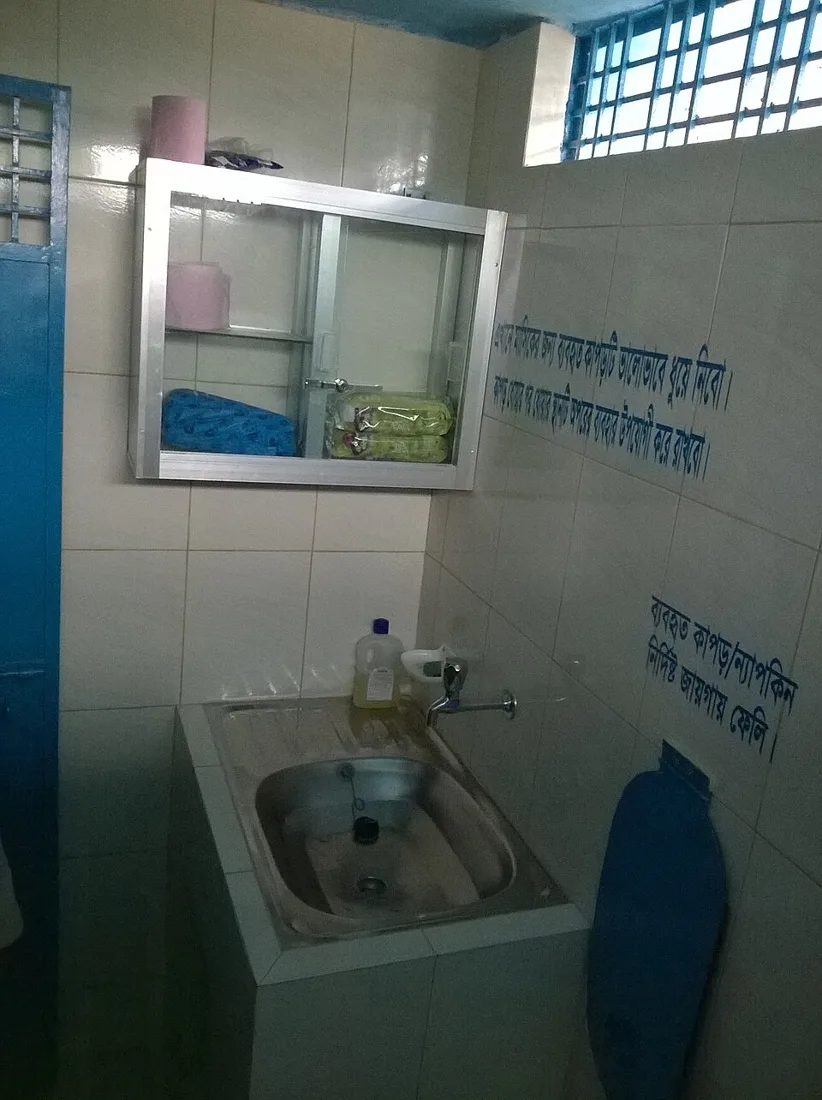
A teacher or caregiver can learn quite a lot by making the same journey a child would make before eating. Where is the nearest place to wash? Can children with different abilities reach and operate it? Will somebody know when the water or the soap needs replenishing? Asking the people who use the facility every day can reveal difficulties that a count of installed taps would miss.
There is a timing question too. A whole class arriving at a single working basin has a different experience from one child using it alone. A routine that allows children to start washing in smaller groups may be more realistic where the layout permits it. Some problems require maintenance or investment. Others become apparent simply by watching what happens when one adult says it is time for the next activity.
A routine adults can demonstrate
The US Centers for Disease Control and Prevention recommends washing hands with soap and clean running water, lathering all surfaces and scrubbing for at least 20 seconds before rinsing and drying. Between fingers, under nails and the backs of hands are easy places to overlook. A caregiver can practise alongside a child during ordinary transitions such as coming to eat or leaving the toilet.
UNICEF describes a range of ways it works with communities, from supplying soap to improving water infrastructure and building accessible facilities. The distinction matters when a school is deciding what to ask families to help with. A poster can remind people when to wash, and a regular supply check can identify an empty dispenser. Neither decision by itself repairs a broken pump.
An adult looking for one contribution to make on Thursday could start at the basin nearest the lunch area. Find out who uses it, who checks it and whom a child can tell when it stops working. Those are small questions, but the answers determine whether a well-taught routine is possible again on Friday.