- WHO made care after discharge the focus of World Prematurity Day 2026.
- A five-country trial found better 28-day survival with immediate kangaroo mother care in hospital.
- A follow-up plan needs a reachable clinic, clear responsibilities and support for caregivers.
Inside this story 2 perspectives
A parent can leave a newborn unit with two things that sit uneasily together: the joy of taking a baby home and a discharge letter full of new responsibilities. Inside the unit, someone is close enough to answer a question about feeding. At home, the same question may involve finding airtime, reaching the right nurse or paying for a journey back to hospital.
That journey was the focus of World Prematurity Day on 15 November. The World Health Organization is asking health systems to follow the progress of babies born early beyond their stay in hospital. A baby born before 37 completed weeks of pregnancy is considered preterm. What care that child needs after discharge depends on their health and development, and on the services their family can reach.
What five newborn units learned
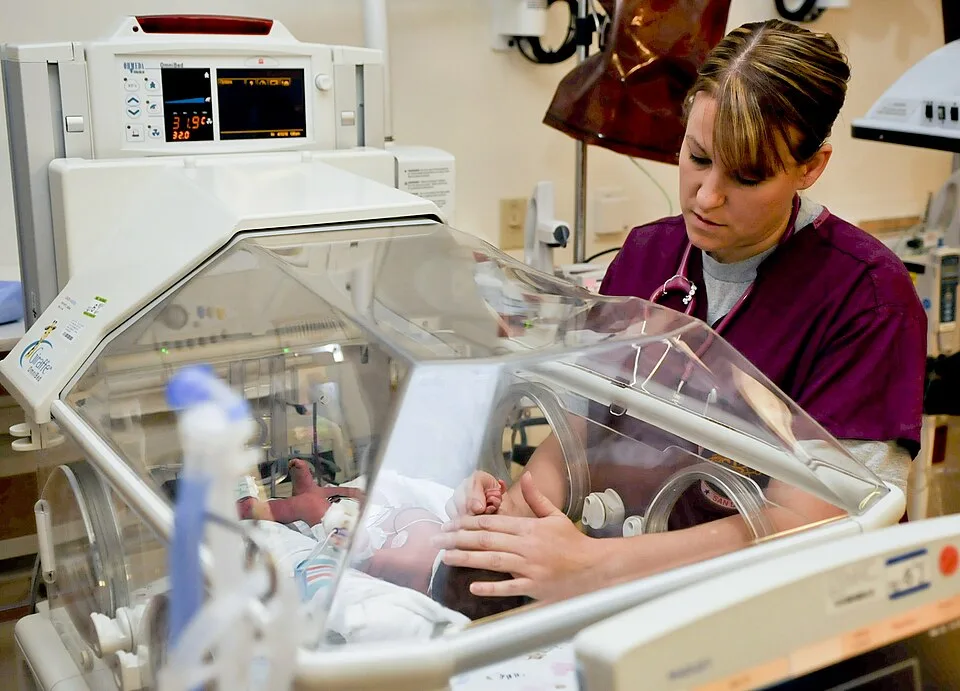
There is good evidence that involving families can change outcomes inside a hospital. A trial at hospitals in Ghana, India, Malawi, Nigeria and Tanzania studied babies who weighed at least one kilogram but less than 1.8 kilograms at birth. Researchers randomly assigned them to start kangaroo mother care soon after birth or to begin it after their condition had stabilised. Both groups received medical care.
By 28 days of age, 12 out of every 100 babies in the immediate-care group had died, compared with nearly 16 out of every 100 in the comparison group. Kangaroo care involves prolonged skin-to-skin contact and support for feeding. In the trial, parents or other caregivers had a place alongside babies receiving hospital treatment. The findings apply to that supervised arrangement. They cannot tell a district which home-visit schedule to adopt or when an individual infant is ready to leave a ward.
A handover that survives the trip home
For a newborn team designing a discharge plan, the questions become practical. Does the clinic receiving the baby have the information the hospital gave the family? Is there a named place to take a feeding question between appointments? If a specialist visit is needed in another town, who explains the purpose of the trip and checks whether it happened?
Those details matter to working parents and relatives who may share the care. A missed day of trading or a shift swap can make a second journey to collect forgotten paperwork expensive. WHO's guidance also calls for emotional, financial and workplace support for families. A predictable appointment and time away from work can make the difference between an available service and one a family can actually use.
A hospital knows precisely when a baby leaves its ward. The harder measure, and the one worth asking for after this year's observance, is whether the receiving clinic knows that baby is coming.