- WHO estimated resistance in one in six laboratory-confirmed common bacterial infections worldwide in 2023.
- Countries and facilities differ in which infections they test and report.
- Africa CDC and partners mapped records from 205 laboratories across 14 African Union countries.
Inside this story 2 perspectives
One in six is an arresting figure to hear in a waiting room. It is the World Health Organization's estimate of how often the common, laboratory-confirmed bacterial infections it studied worldwide showed resistance to antibiotic treatment in 2023. It does not mean that the next six patients at a pharmacy should expect one prescription to fail. The difference begins with who gets tested.
As World AMR Awareness Week opens on 18 November, the numbers offer a way to understand both the pressure on health services and the gaps in what they know. Drug resistance is a property of the microbes involved. A person can acquire a resistant infection regardless of whether they have previously taken that antibiotic.
Who makes it into the figures?
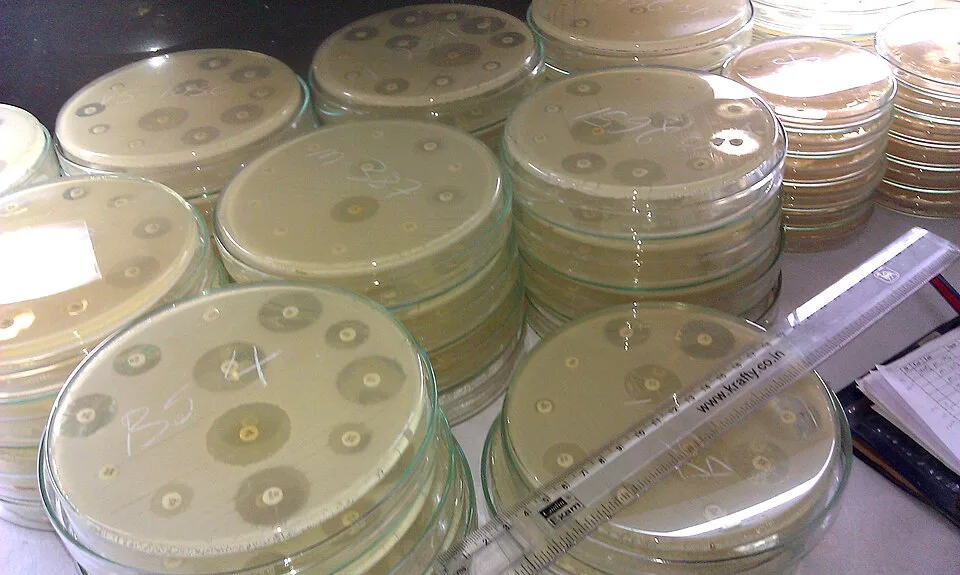
WHO's 2025 surveillance report draws on more than 23 million confirmed cases reported across several years. Its analysis covers infections of the bloodstream, urinary tract and gastrointestinal tract, as well as gonorrhoea. Whether a particular antibiotic is effective depends on the organism and the medicine. A headline number combines information from many such pairings and settings.
In 2023, 104 countries reported data to the surveillance system. WHO says 48% of countries did not report that year. Even within a reporting country, a large hospital with a laboratory may record cases that a small clinic cannot. Patients who need more complex care may be more likely to reach that hospital. These differences make it risky to use a regional average to guess what is happening in one town, still less to choose a medicine for one patient.
A laboratory result has two jobs
Africa CDC and partners have shown how much can be learned from records already held in African facilities. An earlier mapping project assembled more than 819,500 records from 205 laboratories in 14 African Union countries, including Zimbabwe, Zambia, Kenya and Ghana. The records covered 2016 to 2019. They provide a starting point for those national programmes, with the same caution about whose infections a laboratory actually sees.
For a clinical team, a result can help guide care for the person who supplied the sample. Combined with other results over time, it can help a health service review its treatment guidance or its purchasing choices. For both purposes the result has to reach someone who can use it. A dashboard in a capital city and a timely answer in a district clinic are two distinct achievements.
The campaign asks health services, food producers and environmental authorities to take responsibility for the effectiveness of medicines. For a patient or a hospital board, one revealing local question is simpler. When a clinic sends a sample away, does the answer come back in time to make a difference?