- The British Columbia ShakeOut is scheduled for 10:15am on 15 October.
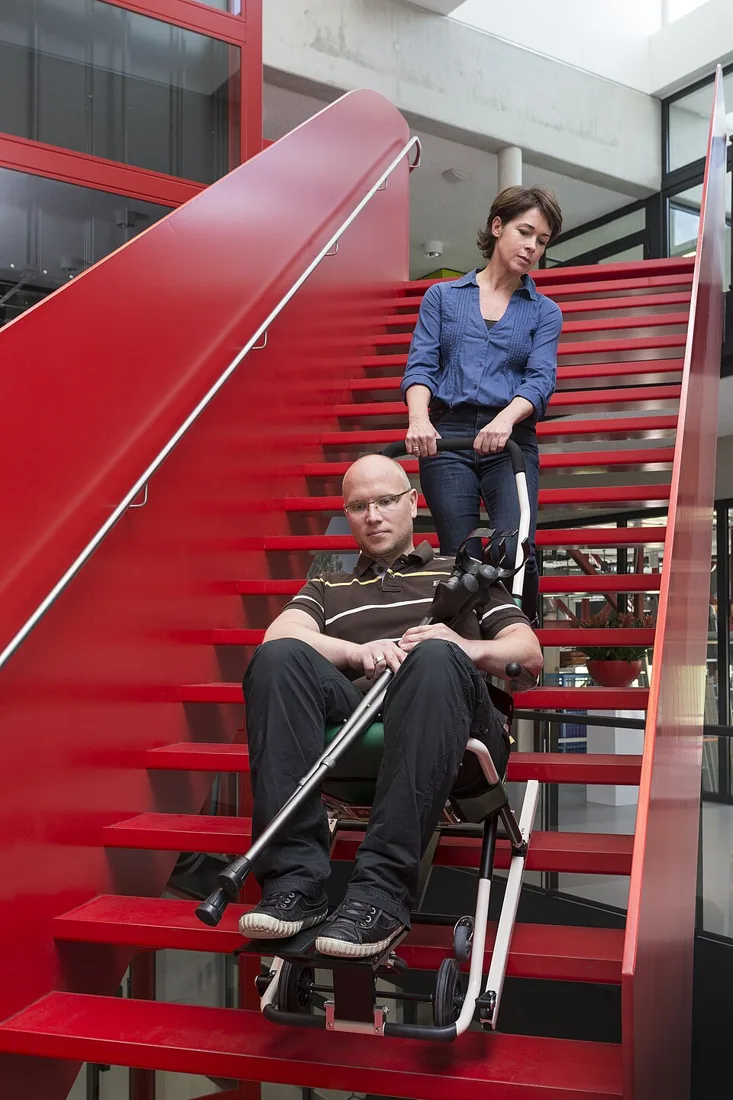
- Wheelchair users can practise locking wheels where applicable and covering their head and neck.
- Port Coquitlam’s separate Alertable system test is scheduled for 10:30am.
Inside this story 2 perspectives
Port Coquitlam has put two different activities on the calendar for the morning of 15 October. At 10:15am the British Columbia community joins the provincial earthquake drill. At 10:30am the city plans to send a test message through its own Alertable notification system. The first exercise asks people to practise protecting themselves when shaking starts. The second checks whether information can get through to them. Either test can reveal something worth fixing before an emergency.
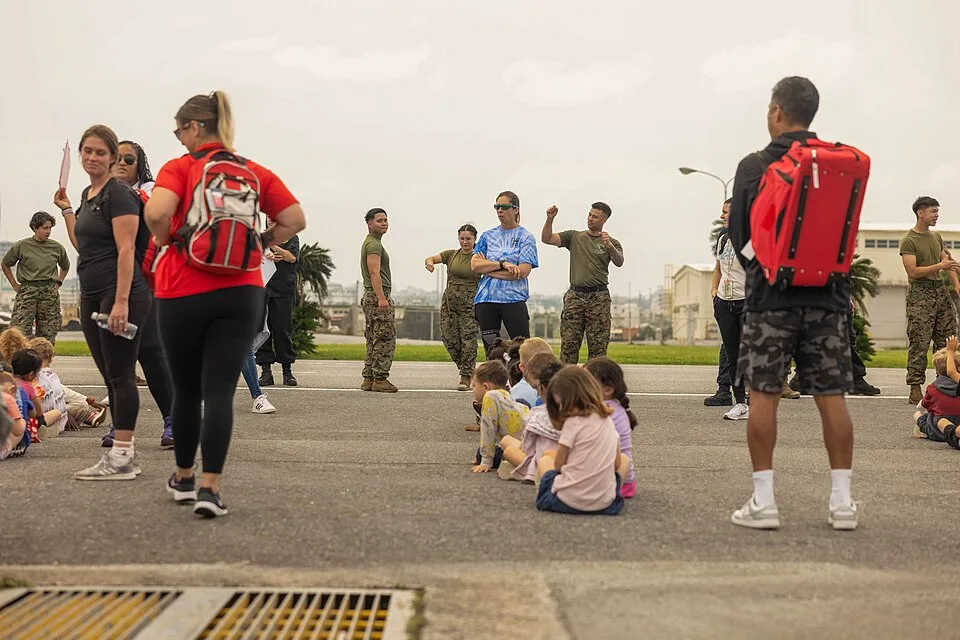
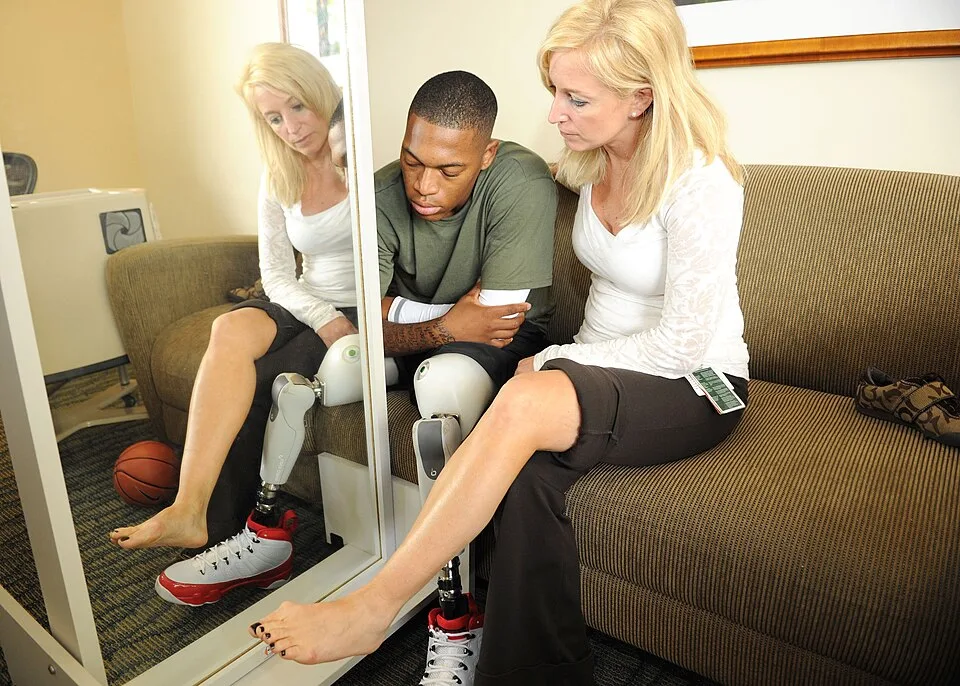
The drill is part of the Great British Columbia ShakeOut, organised by the BC Earthquake Alliance Society. Vancouver Community College has scheduled practice at its Broadway and Downtown campuses, with audio announcements to guide participants. The provincial organisers also describe adaptations for people who use mobility aids. Being able to practise an action from the position in which one usually studies, works or rests is more useful than assuming everyone will start in the same posture.
Practise from the place you are
For people indoors who can do so, the provincial guidance is to drop down, take cover beneath a sturdy desk or table nearby and hold on. Protect the head and neck. If suitable furniture is not within a few steps, the guidance describes using an inside corner and covering the head and neck with the arms. Trying to cross a room in search of a preferred hiding place can expose a person to falling objects or cause a fall during shaking.
For wheelchair users, the accessibility guidance describes locking the wheels if applicable, bending over as far as possible and covering the head and neck with the arms, a book or a pillow. The position needs to suit the individual. Hold on until the shaking stops. The city suggests sixty seconds for its practice exercise. In an actual earthquake the end of the shaking determines when to stop the protective action.
Which message reached you?
The later Port Coquitlam test is for people registered with the city’s Alertable service. Depending on a resident’s selected preferences, the city says the message can arrive as a text, a call, an email or an in-app notification. Checking which channel actually worked tests something different from knowing that somebody once installed an app. A family member who relies on visual alerts and one who keeps a phone on silent may have quite different experiences of the same test.
After the drill, Port Coquitlam encourages participants to look around for things that could fall or block an exit. A second question can sit alongside that one. Did the expected message reach everyone who was relying on it in a form they could use? Practising the movement and checking the message makes each of the morning’s two scheduled times count.