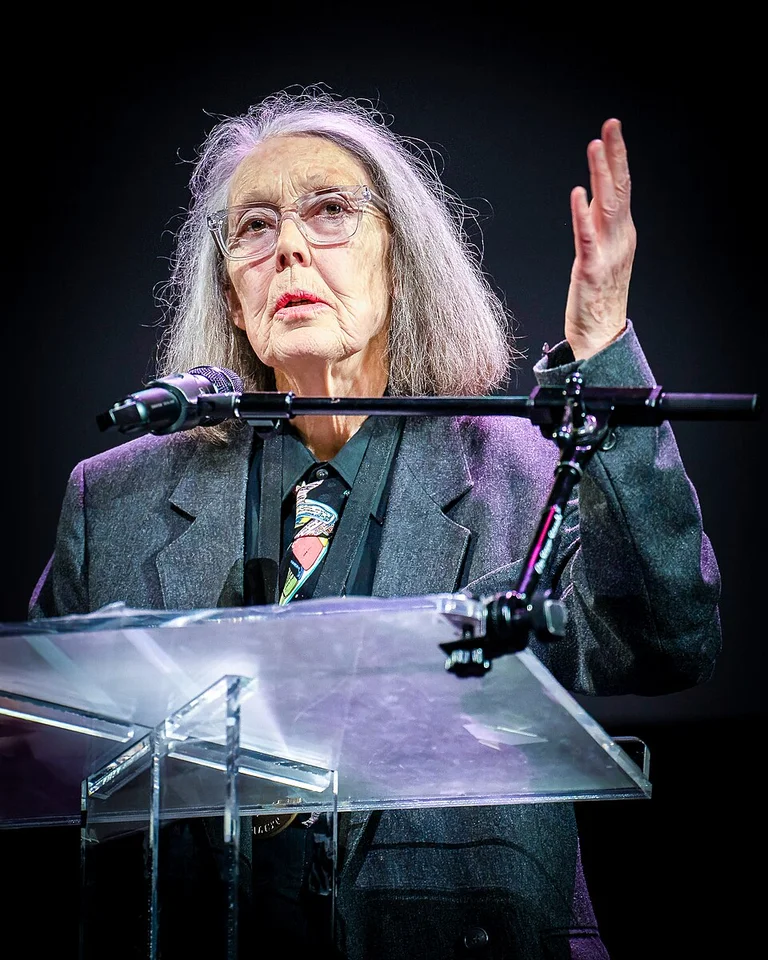
The Swedish Academy has honoured the Canadian writer whose work keeps finding new uses for the classics. Autobiography of Red and Nox offer two very different places to begin.
The newly released Fak’ugesi programme gives an entire day to how Southern African knowledge is recorded, held and passed on. Its venues are part of the argument.
The Institute for Creative Arts has published plans for about 30 performances and installations, with a final Sunday in Langa. A visitor may encounter a work simply by walking through the city.
The final Saturday of the Doek Literary Festival paired the work of gathering history with the equally demanding work of deciding what a manuscript can leave out.
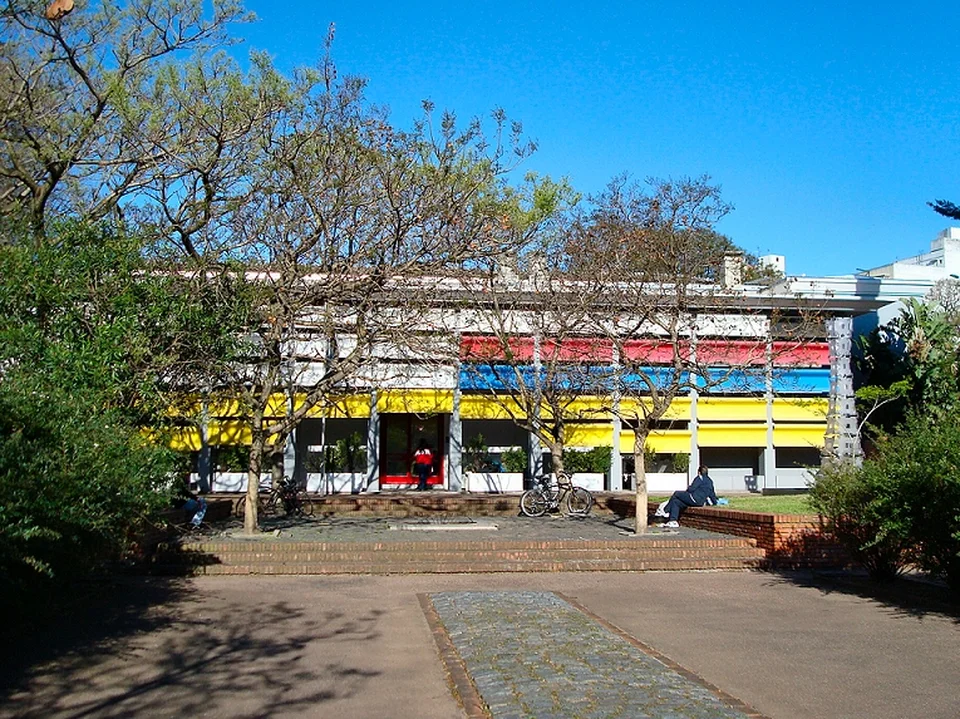
Uruguay’s national visual arts museum has invited Analía Sandleris to discuss a 1993 work in a show about play. The exhibition puts pencil and collage in the company of toys, football and theatre.
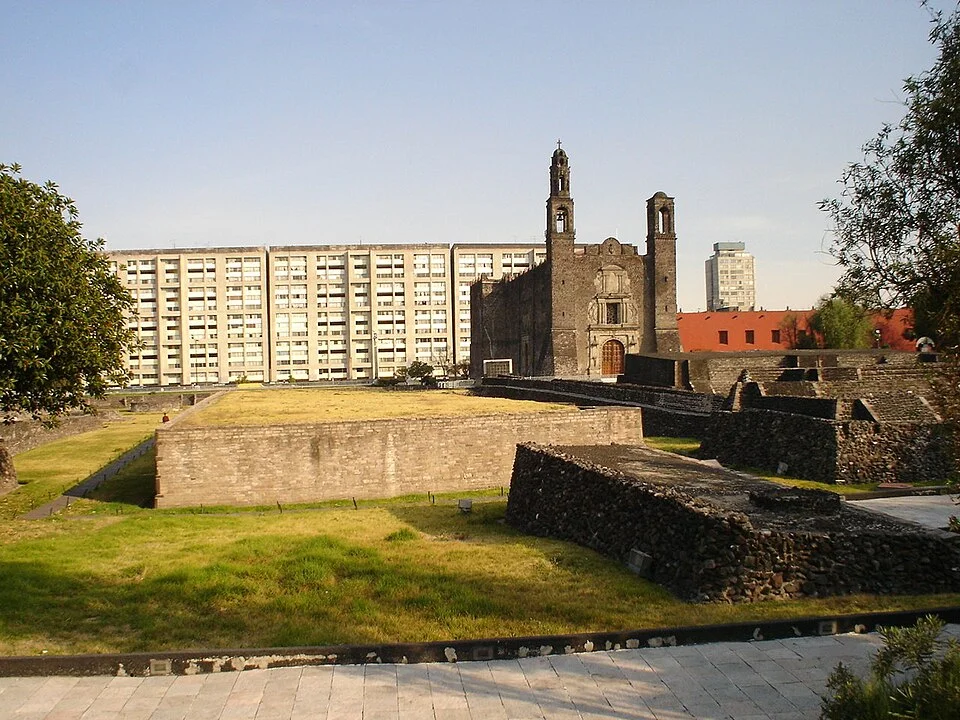
MX Nuestro Cine marks 2 October with a programme that puts student-shot footage beside later testimony. The two forms preserve different kinds of memory of Tlatelolco.
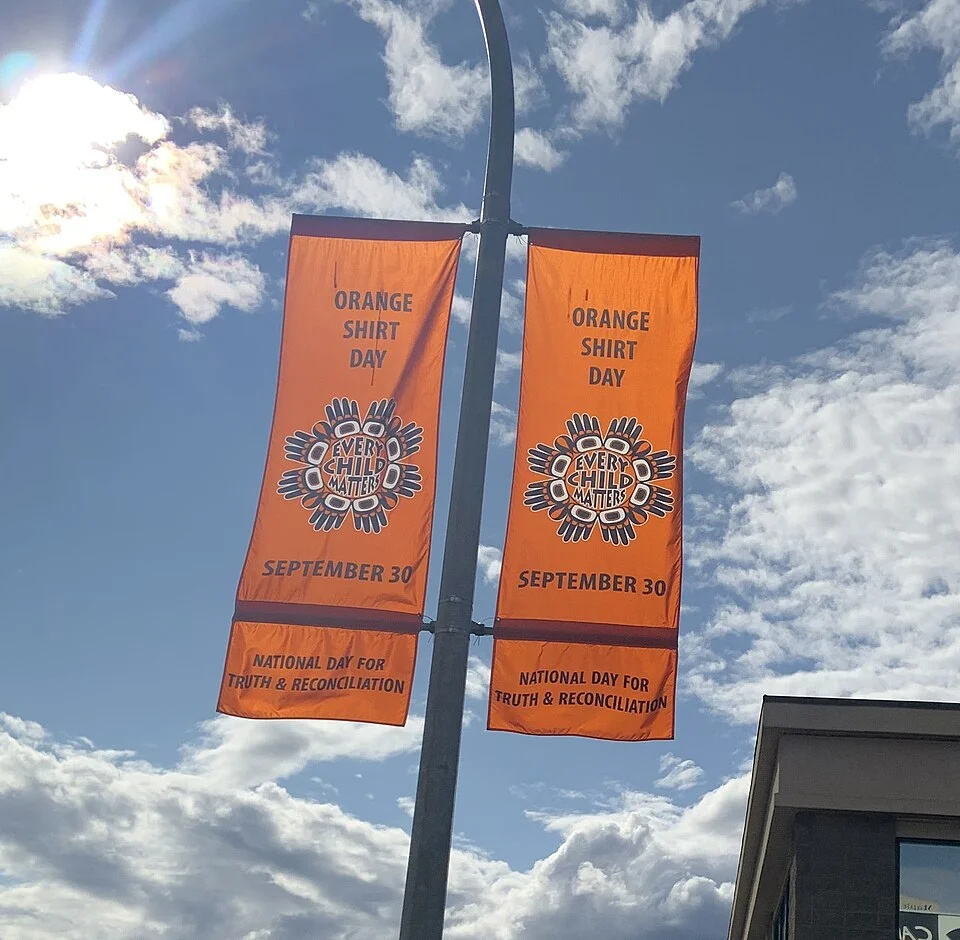
Calgary’s 30 September commemoration made space for survivors and youth voices. A separate national account shows why the ability to understand a language, even without speaking it fluently, matters to reconciliation.
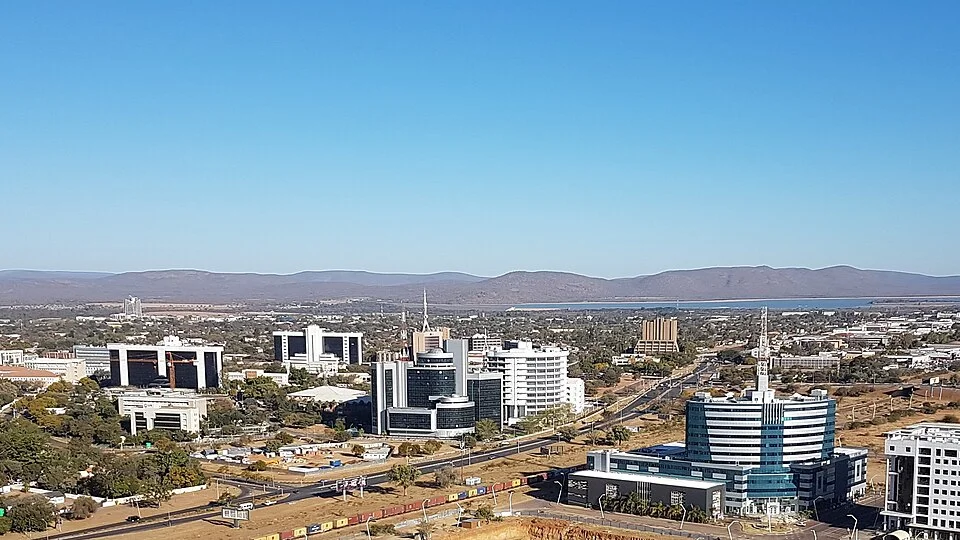
Three gathering points named for historical leaders gave the capital’s Independence Day carnival several beginnings and one destination at the Main Mall.
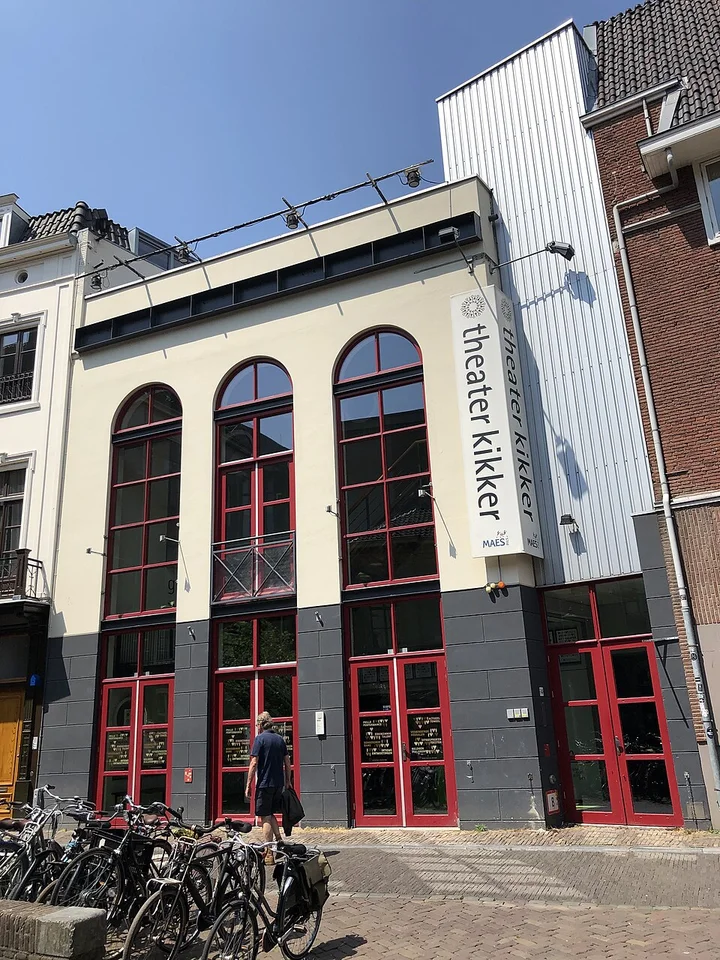
Jay Pather’s Amsterdam keynote opens a programme that connects land, inheritance and the working choices of a curator. Artists will take those questions onto Dutch stages in October.
South Africa’s Funda Mzantsi Championship brings readers from correctional centres, universities, schools and community clubs into the same competition. This year’s programme trials Nama.
Ukrainian muralist Andrii Palval brings his work to Toronto’s Shevchenko Museum. A career spent painting birds on city walls gives the exhibition’s title a long history.
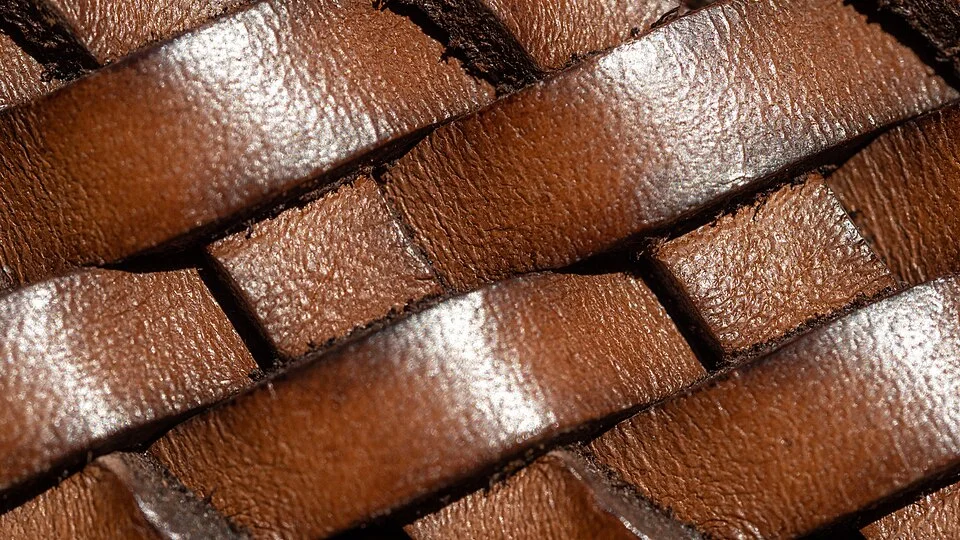
Louise Trotter’s Milan show sent the house’s familiar weave onto a coat and tall boots. Looking at scale gives an entry point to a collection about moving between seasons.
Johannesburg’s two-night programme brings the music of Hugh Masekela, Busi Mhlongo and Kippie Moeketsi to different stages in Sandton. The tributes ask more of their performers than a familiar tune.
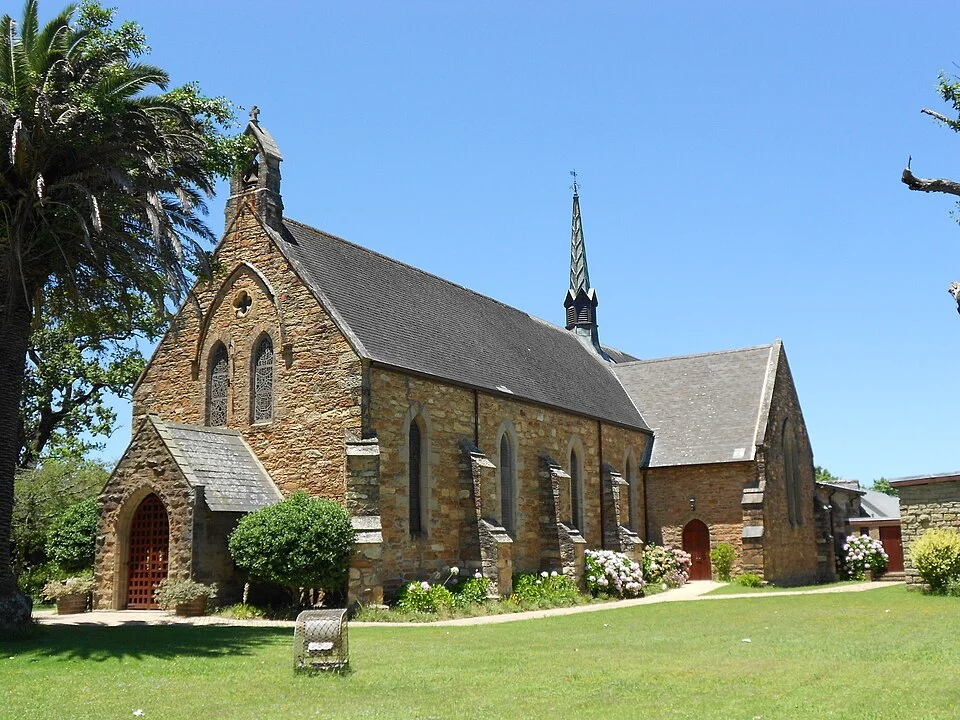
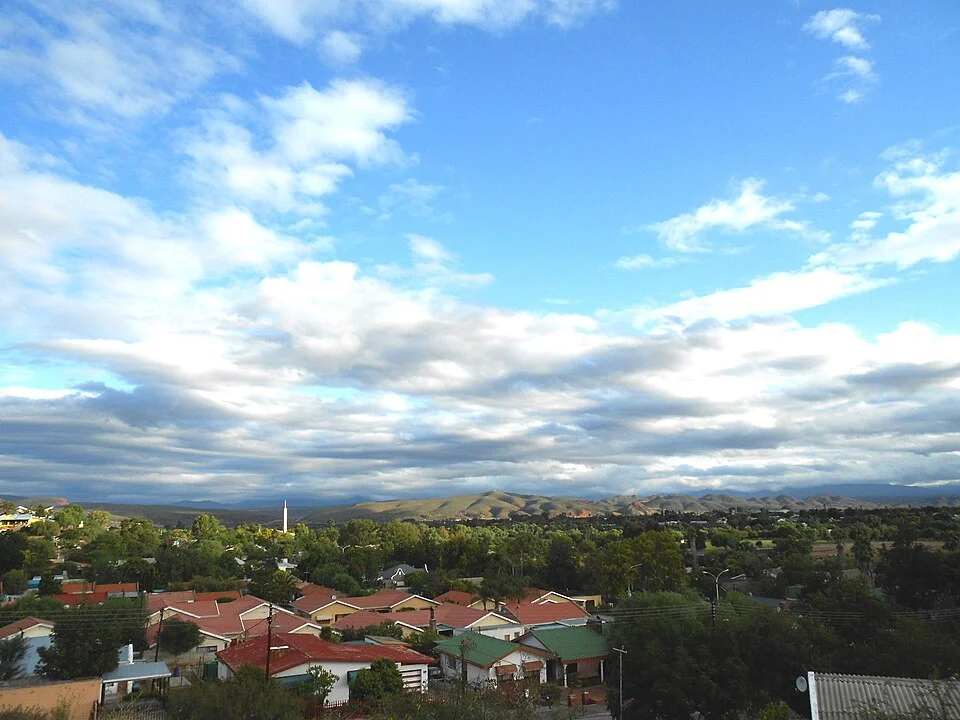
Oudtshoorn hosted the national celebration after a venue change. The decision also gave the history of Bongolethu and Bridgton a place in a programme about what communities pass on.
Tender Photos invited visitors to match 24 images with wording chosen by their makers. The exercise turned a routine part of a gallery visit into a question about who supplies a picture’s meaning.
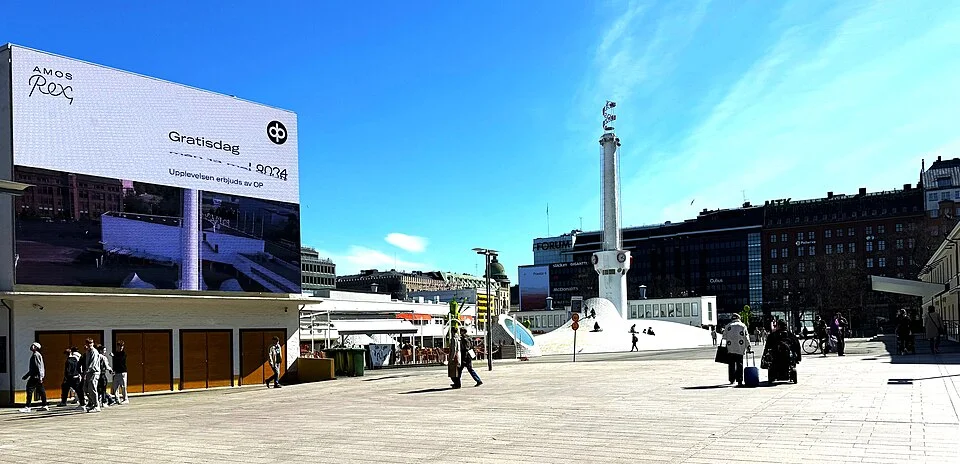
In a September interview, the curators of Southnord’s forthcoming exhibition explain how artists’ paths through cities helped shape the rooms at Amos Rex.
Sergio Valenzuela-Escobedo’s Mumbai exhibition brings South American and Indian photographic histories together. A missing camera on one research visit says much about the images that eventually entered the gallery.
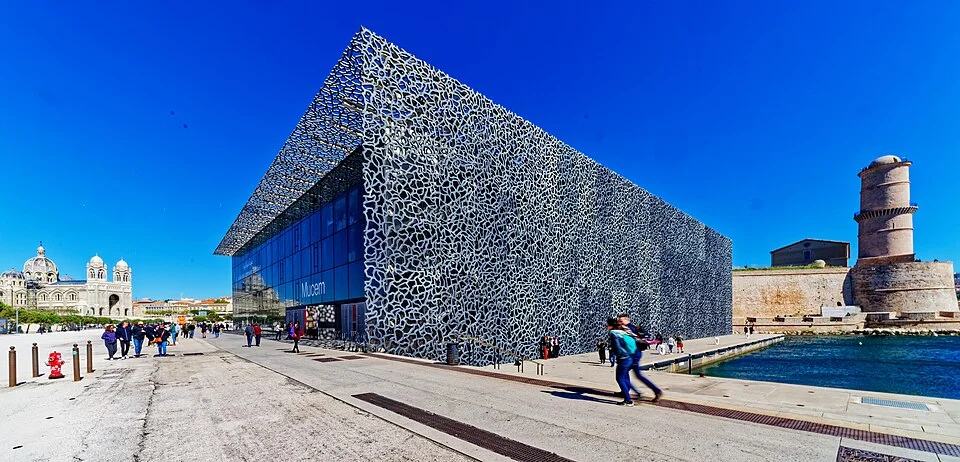
For European Heritage Days, Mucem is opening its collection stores. A photographic theme gives visitors a way to think about the difference between keeping an object and putting it on display.
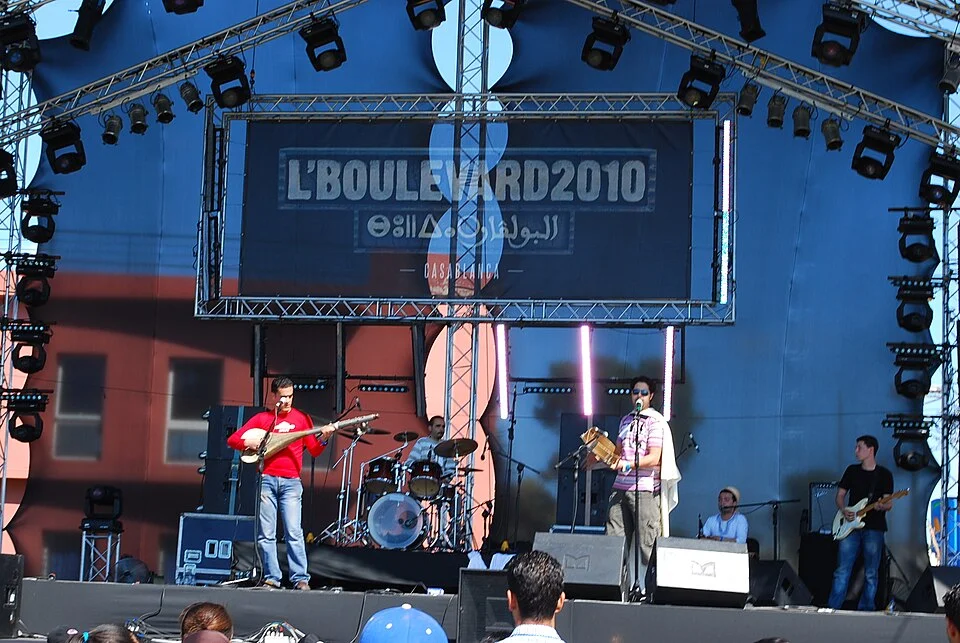
L’Boulevard’s Tremplin competition reaches its rock and metal category on Saturday. Its prizes include something a young band can struggle to buy: training time and the chance to make a studio recording.
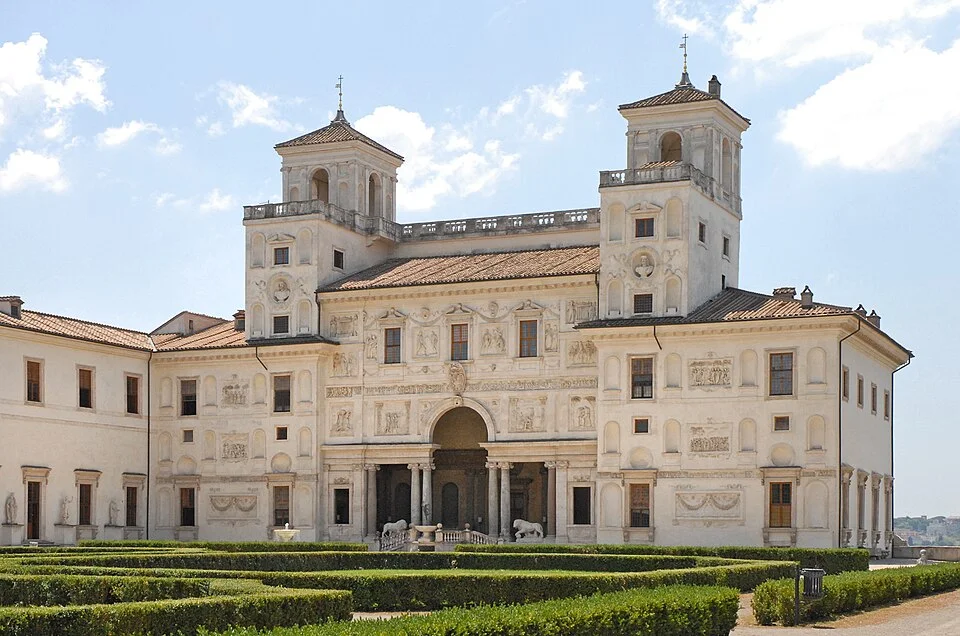
Daria Kim’s 1937 reaches Villa Medici through paintings, animation and sound. Its images carry a history of forced movement from the Russian Far East to Central Asia.
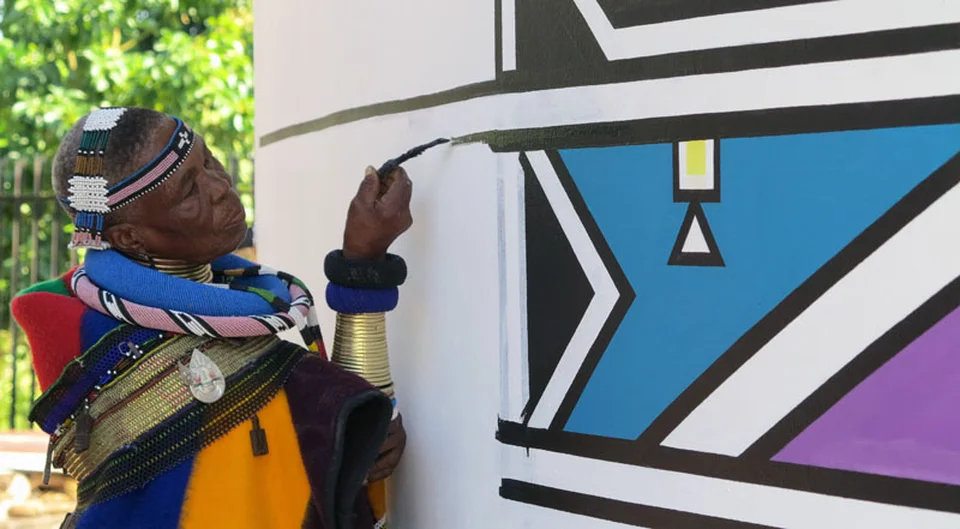
A London exhibition brings together eight compositions by the South African artist, translated into handwoven dhurries in a collaboration with Alexandra de Cadaval and Indian artisans.
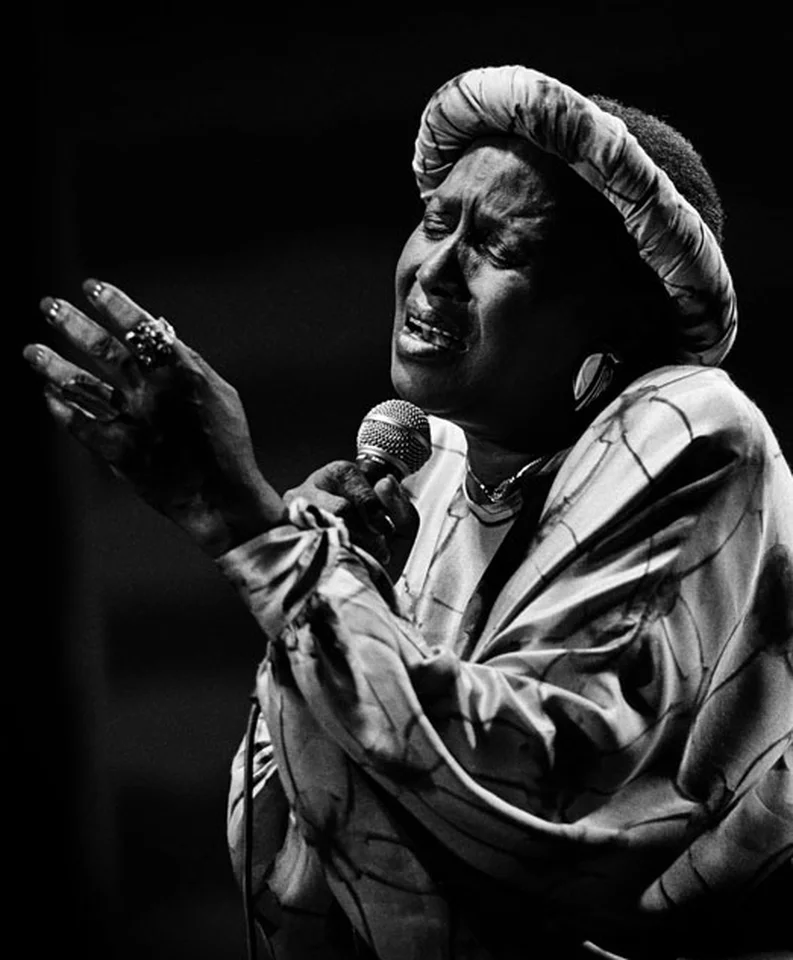
WOMAD’s 16 September programme pairs live music with poetry at Silvermist. The choice suits an artist whose performances and public testimony travelled beyond South Africa while she was barred from returning.
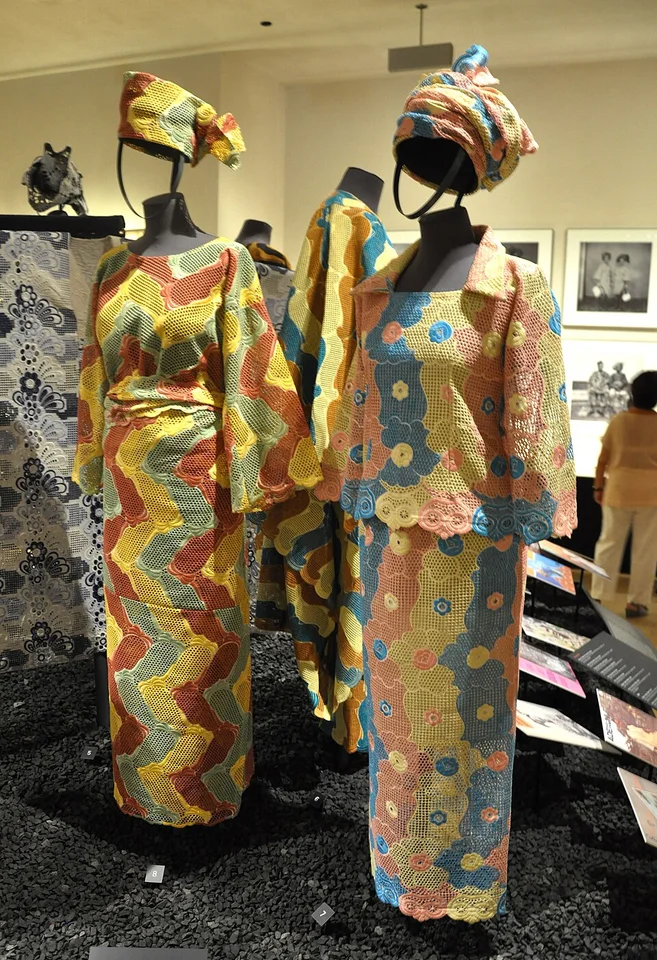
Borders & Other Myths brings six artists into conversation at Affinity Gallery. Hamed Maiye’s interest in lace offers a route into an exhibition where materials can tell stories that a map leaves out.