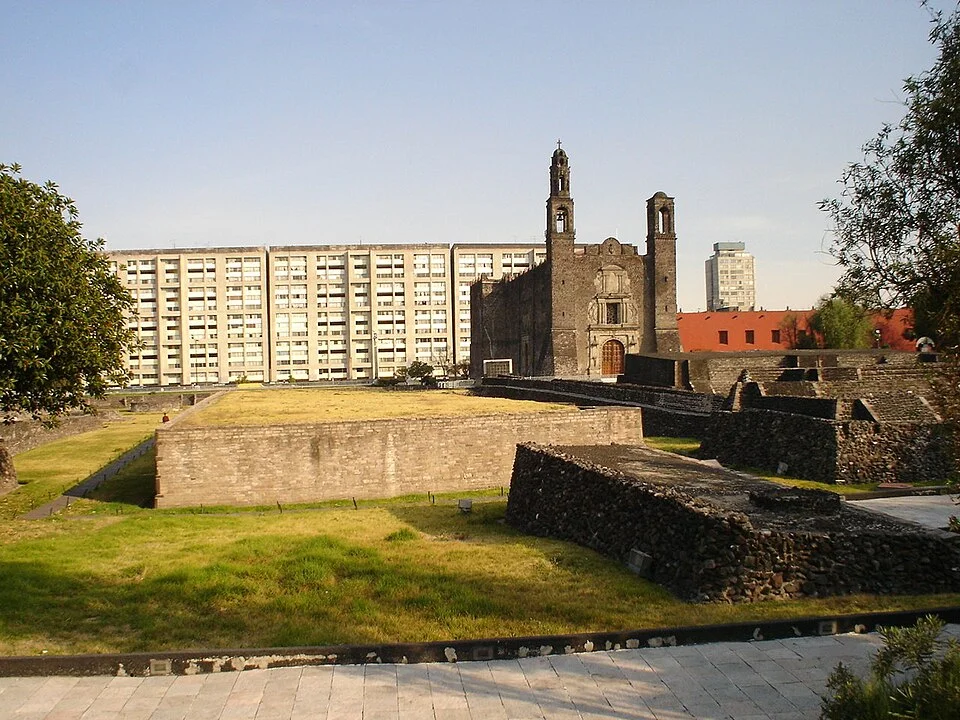
- The 2 October programme commemorates the 58th anniversary of the 1968 massacre in Tlatelolco.
- El grito, scheduled for 5pm, grew out of footage shot using equipment and film from UNAM’s cinema school.
- The later Memorial del 68 draws on interviews and was scheduled to close the programme at 7pm.
Inside this story 2 perspectives
A camera carried by someone participating in a public movement has a particular field of vision. It can enter spaces and follow conversations that a visiting reporter might never encounter. It also travels with someone who has immediate responsibilities, loyalties and fears. That closeness makes the resulting images important evidence, while leaving plenty of work for the viewer who wants to understand them.
On Friday, MX Nuestro Cine is returning to footage made by film students during Mexico’s 1968 student movement. Its programme marks fifty-eight years since the massacre in the Plaza de las Tres Culturas at Tlatelolco on 2 October. The scheduled films bring together a contemporary record made from inside the movement and later accounts in which participants were able to look back on it.
The camera belonged to the school
For El grito, students from the Centro Universitario de Estudios Cinematográficos at the National Autonomous University of Mexico used the school’s equipment and film stock. They collectively recorded about eight hours of material, according to the programme announcement. The university film archive describes the footage as covering the movement from July through the events of October. A film assembled from that material was scheduled to screen at five in the afternoon.
Leobardo López Aretche, the cinema school’s representative on the student strike council, edited the footage after his release from detention. His part in the movement matters to the history of the film as much as who held the cameras. Eight hours of images are a collection. Deciding which images follow one another, which intervals to leave visible and which events need context produces a particular account for an audience.
What a later interview can add
At seven, MX Nuestro Cine scheduled Nicolás Echevarría’s Memorial del 68. It draws on about fifty-two testimonies and grew out of work for the university’s Tlatelolco memorial. A person speaking years later can describe something no camera recorded. They can also explain how their understanding changed after learning what happened elsewhere. An interview therefore answers different questions from footage made while events were unfolding.
The pairing gives viewers an opportunity to notice those distinctions. What can be established from a street scene alone? What becomes clearer when a participant supplies a name, relationship or sequence? Where do differences remain? Looking for the source of a detail is a way of attending more closely to the people who preserved it.
The anniversary programme begins at four on channel 22.2 and is also scheduled to stream. Its lasting resource is the archive itself. An audience can return to footage made by students who understood that the movement needed its own cameras, and to testimony that lets the same period be considered from the distance of later life.