- Calgary’s programme at The Confluence included a moment of silence and a closing round dance.
- Orange Shirt Day grew from Phyllis Webstad’s account of her first day at residential school.
- Census data distinguish conversational ability from the ability to understand an Indigenous language.
Inside this story 1 perspectives
An orange shirt is a public symbol in Canada because a young girl had one taken from her. In her account for the Orange Shirt Society, Phyllis Webstad recalls choosing the shirt with her grandmother before she entered St. Joseph Mission Indian Residential School in 1973. She had just turned six. The school took her clothes when she arrived and never returned the shirt. The detail belongs to Webstad, whose decision to tell her story gave the movement its starting point.
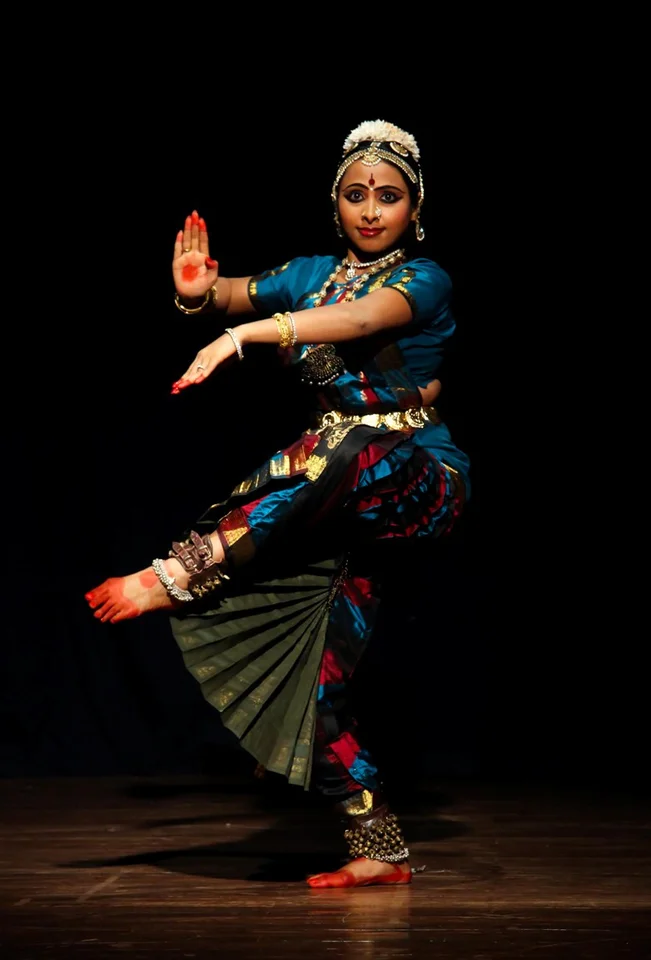
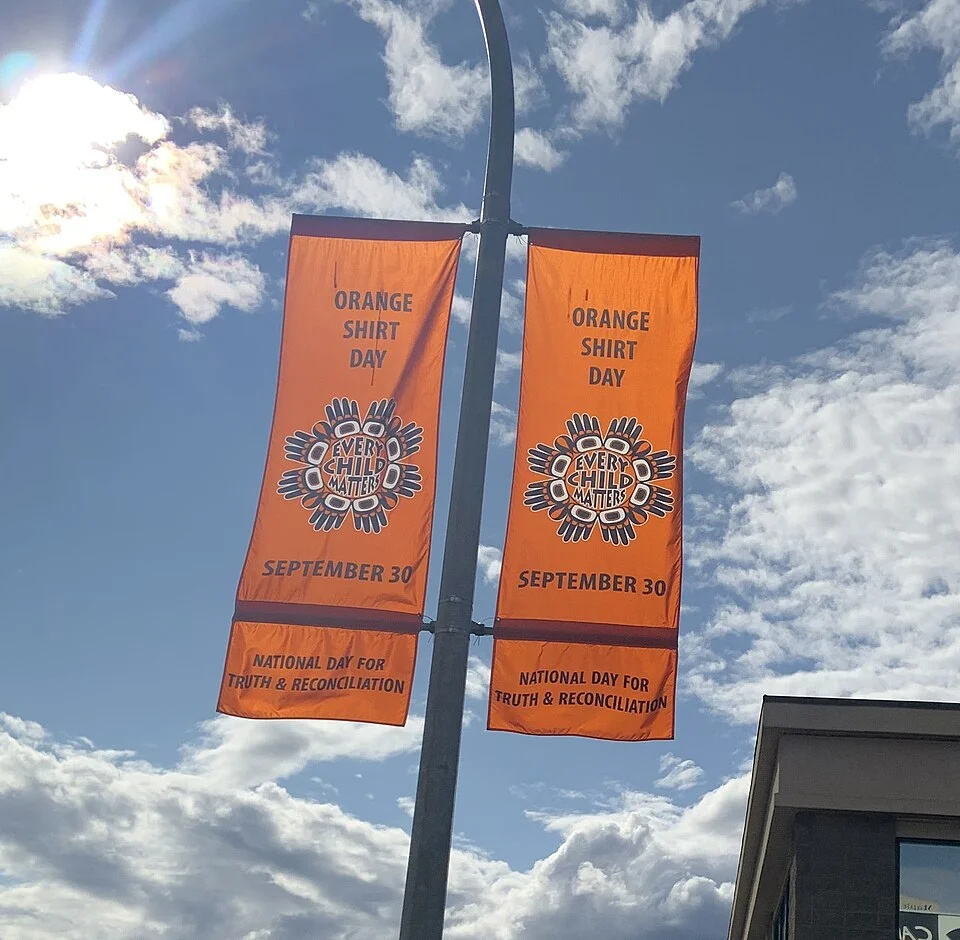
For the National Day for Truth and Reconciliation on 30 September, Calgary scheduled its public commemoration at The Confluence Historic Site & Parkland. The city's programme placed speakers, a moment of silence and cultural performances alongside the voices of young people, with a round dance to close. The event provided a setting for acknowledging survivors and families. The orange worn in a public gathering also calls attention to what the residential school system interrupted inside homes and between generations.
Understanding a language before speaking it
Statistics Canada published an account on 29 September examining one consequence of that history. Children in residential schools were prohibited from using their languages, disrupting the ordinary contact through which one generation teaches another. The statistical agency notes that the 2021 census identified about 14,020 people who had learned an Indigenous language as children and could still understand it, although they could no longer speak it well enough to hold a conversation.
In language revitalisation work some use the term “silent speakers” for people with this kind of receptive knowledge. The First Peoples' Cultural Council, cited by Statistics Canada, describes a variety of experiences behind the term. Some people spoke their language before attending residential school. Others grew up hearing and understanding it without speaking it themselves. Their ability to recognise pronunciation and cadence can be a resource for learners. A question framed only as who speaks fluently can miss the knowledge those people bring.
The numbers also show change in public schooling. Statistics Canada counted 62,928 students participating in regular Indigenous language programmes in public elementary and secondary schools in 2023/24, compared with 46,341 a decade earlier. Those are enrolments in programmes. They cannot tell a community how confidently young people speak at home, or replace its own decisions about what should be taught and by whom.
The federal commemorative day, created in 2021, responded to a call by Canada's Truth and Reconciliation Commission. Orange Shirt Day began as a grassroots initiative in Williams Lake, British Columbia. Those histories meet each September without becoming identical. One is a public commitment to remember. The other starts with the recollection of a six-year-old whose account people can still read in her own words.