- The SS Mendi sank after a collision in fog on 21 February 1917.
- The men were travelling to support work behind the Western Front.
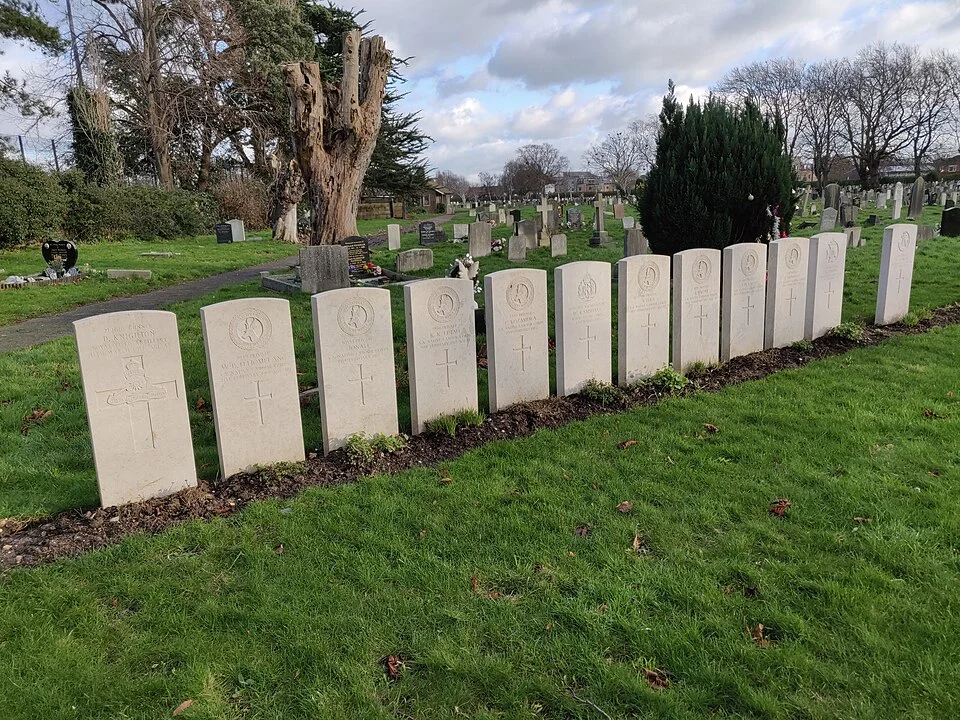
- South African servicemen from the Mendi are buried at Noordwijk in the Netherlands.
Inside this story 2 perspectives
There is a South African story a person standing for two minutes of silence on 11 November could carry into those two minutes. It begins eleven nautical miles or so south-west of England’s Isle of Wight. On a foggy February morning in 1917, a ship transporting South African labourers to France sank after a collision. Some of the men lost that day are buried across the North Sea in the Netherlands.
The ship was the SS Mendi. The South African Heritage Resources Agency records that it was carrying members of the South African Native Labour Corps, the historical name of the unit, for work behind the lines on the Western Front. The men had travelled from Cape Town. The ship was bound for Le Havre. They were caught in a European war before they had even reached the place where they were supposed to work.
The geography of a memorial
The South African Legion records the loss of more than 600 South African servicemen in the sinking. At least five of the men are buried in the Commonwealth war graves section of Noordwijk General Cemetery in the Netherlands. The place where a person is remembered can be a very long way from both his home and the place where he died. The wreck, the graves and the memorials in South Africa each preserve a different part of the story.
There is an added challenge in commemorating labour. A painting of soldiers in battle gives the viewer a recognisable subject. The work of moving supplies and supporting troops behind the lines can disappear from the frame altogether. Reading the unit’s name and learning why the men were crossing the Channel restores some of that work to the history of the conflict. It also raises a question about the people wartime institutions chose to arm and the people they recruited to labour.
Two dates to carry together
Armistice Day marks the agreement that brought fighting on the Western Front to a halt at eleven in the morning on 11 November 1918. The Royal British Legion continues the custom of two minutes of silence. The Mendi sank on 21 February 1917. Keeping both dates in view allows a reader to connect the widely observed anniversary in November with South Africa’s own remembrance of an earlier loss.
It takes only a few words to name the Mendi during a ceremony. Making the name meaningful takes a little longer. Who was aboard? Where were the men going? Why are some buried in a Dutch seaside town? A family can answer those questions before the silence begins. The two minutes then have room for people whose story might otherwise pass through the day unheard.