- Wits lists public gallery access from 6 October and a formal seminar on 8 October.
- Curator Nosipho Mngomezulu brings the podcast The Academic Citizen into the Anthropology Museum.
- The Twala Project combines an audio episode with photographs, film and a seminar poster.
Inside this story 2 perspectives
A visitor to the Anthropology Museum at Wits University can sit down with a record, listen to an episode of a South African podcast and leave a recorded voice message. In a room ordinarily associated with the objects that researchers bring back from the field, the invitation to contribute an audible response changes the visitor’s role. It also raises an old question about museum collections. Who gets to speak for the people whose knowledge is on display?
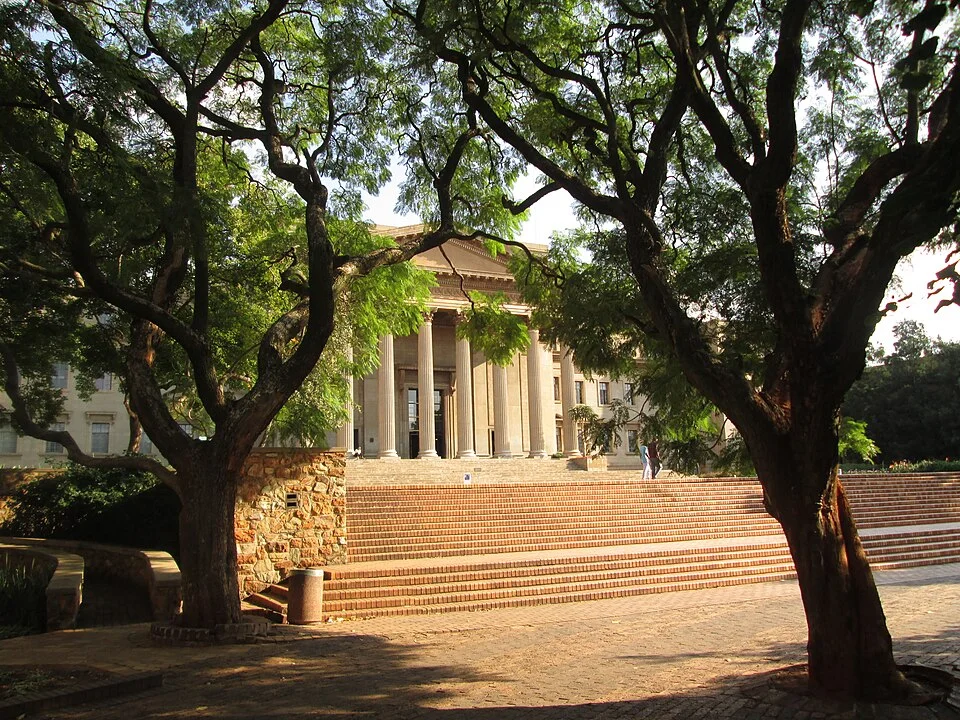
Wits lists public access to Resonance: Research in a Sonic Register from 6 October at its Johannesburg campus, ahead of a formal opening seminar on 8 October. Curated by anthropologist Nosipho Mngomezulu, the exhibition places the independent podcast The Academic Citizen alongside work in other media. Each format offers a different way to encounter research that might otherwise reach readers in a journal or a book.
What a page keeps and a recording restores
A written transcript makes it easy to locate a sentence, compare two passages or check a name. It can be much harder to hear a pause, a laugh or the change of pace before a speaker chooses a word. A recording preserves some of those features. In turn it asks more of a listener’s time. A museum that offers both reading and listening spaces gives visitors some control over the pace and form of their attention.
The planned installations make that choice tangible. There is a field library, a wall where people can help build a vocabulary for sound, a space for playing drums, and a record lounge with a phone booth for voice messages. Listening stations feature episodes of The Academic Citizen. The podcast began in 2016 and has long used conversation to examine higher education. Here its material can be encountered as part of an arrangement of spaces and objects as well as through a feed.
The story across several media
The Twala Project offers one reason to walk beyond the first set of headphones. The museum programme lists a photographic triptych, a seminar poster, a short film made in eSwatini and an episode of a special podcast season on Regina Gelana Twala’s surviving manuscript. An image can hold details that a speaker passes over quickly. A voice can indicate an interpretation that the image cannot settle.
Elsewhere, Nolwazi Ncube’s mixed-media work iMvelaphi brings voice and oral history into contact with photography and intimacy. Putting these approaches in the same museum leaves space for an ordinary but demanding activity. A visitor can listen, compare what two formats allow them to learn and decide what kind of answer is worth leaving on the recording.