- The museum announced a free ninety-minute workshop on 7 November.
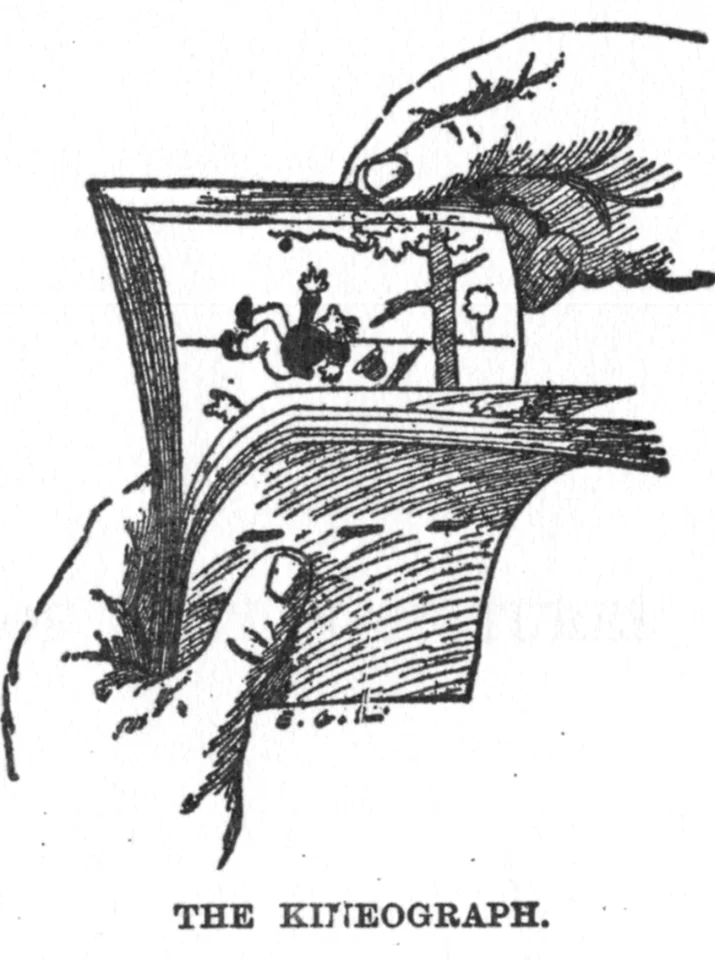
- The waterfall structure lets pages move in sequence.
- Wits opened its dedicated book arts centre in 2019.
Inside this story 2 perspectives
Pull a paper tab and an image disappears behind the next one. Pull a little further and the sequence continues. In a waterfall flip book, the person holding the book controls the pace of the change. The images may have been finished hours ago. The movement happens right there in the reader's hands.
Wits Art Museum in Braamfontein advertised a ninety-minute workshop in that technique for Saturday, 7 November. Entrance was free, materials were supplied and all ages were welcome. The listed venue was the museum's café and gallery forecourt. At an institution where much of the surrounding art is encountered by looking, the instructions for this particular object would make very little sense without touching it.
What happens between the images
The appeal of a waterfall book is easy to underestimate. An artist deciding what to draw on four small panels has to make a decision about the spaces between them. A face might turn slightly in each drawing. A word might reveal a letter at a time. Those are choices the artist makes about sequence. The person with the tab decides whether that face turns in a single sweep or in a series of hesitations.
An exhibition label can give dates and materials. A photograph can record how the first page looked. Neither quite records the feel of a page catching or the effect of pausing halfway through a change. The workshop format makes that difference tangible. The person who assembled the book can put it in someone else's hands and discover whether the movement they expected actually occurs.
A collection that took the book seriously
Wits has a substantial history with the book as an art form. In 2018, collector Jack Ginsberg donated his collections of artists' books and reference material to the museum. The centre bearing his name opened in 2019. Wits described the gift at the time as including more than 3,000 artworks as well as material about the field. A book made as an artwork can enter a collection for reasons quite apart from the words printed inside it.
There is a pleasing tension in keeping such objects. A library reader usually wants the book to open easily and often. An institution looking after a delicate fold has to think about what the next hundred openings might do. Making a simple object in a public workshop gives that question a human scale. Anyone who has handed over a freshly assembled paper mechanism with a hopeful instruction to pull gently already understands something about caring for less replaceable ones.
The museum set aside one Saturday morning for a book a visitor could make. Its most important final component could walk in from the street, sit down and put a finger on the tab.