- The Kenya Museum Society scheduled its 21st Affordable Art Show for 16–18 October.
- Advance listings counted more than 750 works by over 400 artists.
- An artist and a review panel agree the price, and a portion of sales supports museum projects.
Inside this story 2 perspectives
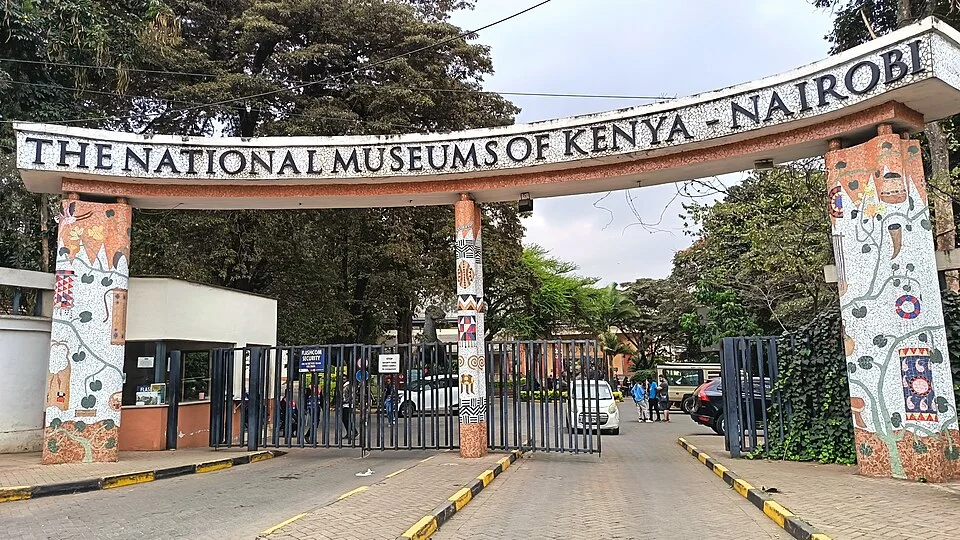
The price on an artwork can be the most intimidating piece of information in the room, especially when it is missing and a visitor has to ask. At the Kenya Museum Society’s 21st Affordable Art Show, scheduled to conclude at Nairobi National Museum on 18 October, price is part of the process before anyone walks in. Each piece is reviewed, and the artist and a panel agree the figure attached to it. The panel includes the National Museums of Kenya’s Curator of Art.
The programme announced more than 750 works from over 400 artists across the region. First-time exhibitors shared the billing with people who have established reputations. The weekend also served as a fundraiser for the society, with a portion of each sale supporting its museum projects. The word “affordable” is doing several jobs here. It welcomes people who might assume an art sale is out of reach, while leaving the artist involved in the decision about what their work is worth.
A visitor can look before deciding to buy
A juried show offers a particular kind of entry into a large field. Somebody has already examined the work before it reaches the exhibition. That helps explain what it means for a first-time exhibitor to be included. It does not impose a single scale of quality on everything in the room. A viewer drawn to one piece should be able to say what holds their attention without having to decide whether it is the best of hundreds.
There is also an educational benefit to having prices settled in advance. A visitor comparing two works can consider differences of scale, medium and experience, then decide what they themselves value. The marked amount is an agreement reached for this sale. It does not promise that the work will command the same price elsewhere, or that a more expensive piece must be the one a visitor finds more affecting.
What a first sale can support
For an exhibiting artist, a museum setting can place a work before people who would never have encountered it through a personal network or studio visit. For the museum society, an individual purchase can contribute to activities beyond the show. Those two benefits can coexist. They also depend on somebody finding a work they want to live with after the exhibition closes.
A visitor who makes no purchase can still leave with a name worth remembering, a medium they want to understand or a better idea of what they might save for. An art exhibition with prices makes buying possible. Its other achievement is to let people practise looking, deciding and asking questions in public before they spend anything.