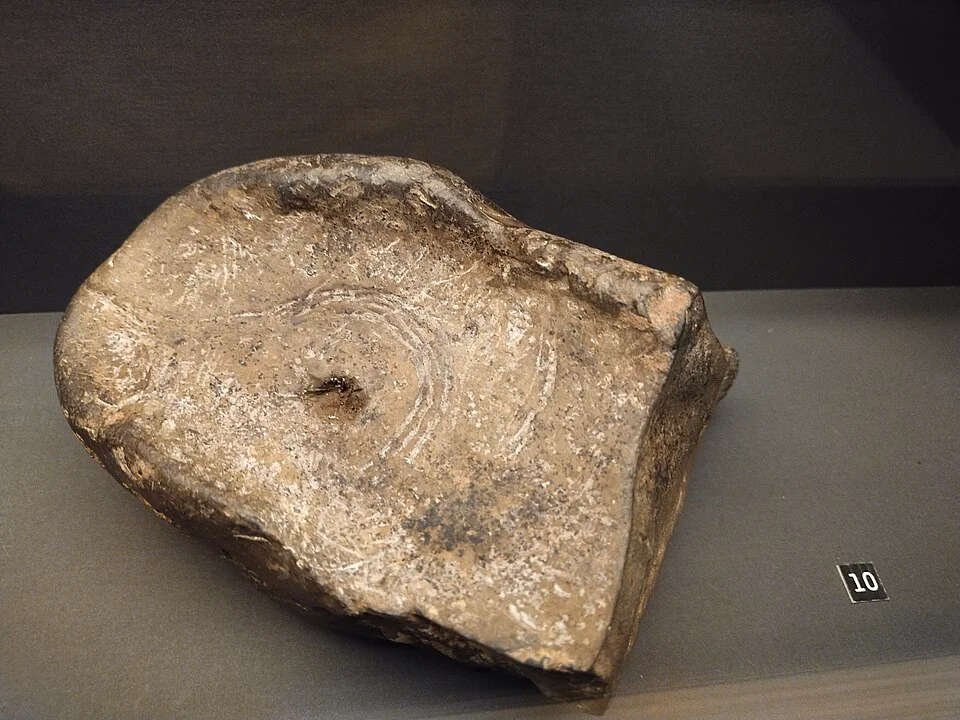
- The researchers described Garamaudo bauciensis from rocks near present-day Aix-en-Provence.
- Land-like limbs and exceptionally compact bones told different parts of the animal’s story.
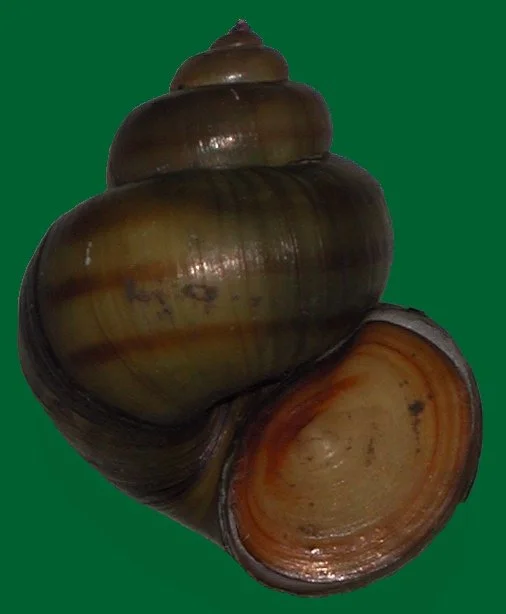
- Freshwater molluscs found in the deposit strengthened the case for life in an inland lake.
Inside this story 2 perspectives
If all that survived of an animal were the outline of a leg, a reconstruction might put it on a shore. If the clue were its exceptionally heavy bones, the same reconstruction might place it underwater. A team studying a fossil near Aix-en-Provence had both clues. The apparent disagreement helped them describe a mosasaur adapted to a freshwater environment about 85 million years ago.
The new species, Garamaudo bauciensis, is the subject of a paper published on 28 September by Nathalie Bardet, Alexandra Houssaye and their colleagues. Researchers estimate its length at roughly two and a half metres. Mosasaurs are reptiles best known from the Late Cretaceous seas. A relatively small animal in an inland lake adds another habitat to the picture usually drawn from their ocean-going relatives.
What a bone does in water
Open-sea mosasaurs possessed paddles. The Provence animal had limbs with a form closer to the legs of land animals. Shape supplies information about a limb’s construction, although it cannot on its own show where the animal spent its time. Inside the fossil bones the team found an important additional clue. The tissue was unusually compact, adding weight to the skeleton.
For an animal submerged in shallow water, that weight could be an advantage. Water exerts an upward force on a body. Adding dense material helps counter it, allowing the animal to remain below the surface. On land the same tissue would still have to be supported and moved from step to step. The researchers interpret the combination as evidence for an aquatic life, including the ability to stay down while moving through shallow water. They have reconstructed a physical advantage from a skeleton. No part of the fossil records a particular swim.
The witnesses buried beside it
A body can come to rest away from the place where an animal usually lived. That makes the rest of a fossil deposit worth examining. The site near modern Aix-en-Provence preserves evidence of an ancient lake. Molluscs associated with freshwater were found there too. These small neighbours supply information about the environment independently of the distinctive form of the mosasaur’s limbs.
Put the evidence together and the researchers can argue for more than the occasional presence of an ocean animal in inland sediment. The form of the skeleton is consistent with an animal that could live in those waters, while the surrounding deposit establishes that such waters existed. The authors suggest that at least one branch of mosasaurs adapted to continental freshwater environments. It is a particular evolutionary path within a diverse group. Its best illustration in Provence may be the least spectacular part of the reconstruction, the weight hidden inside an ordinary-looking bone.