- Six fragments were presented in Navarre on 19 October.
- Researchers identified three metacarpals and a middle finger bone from a right hand among the remains.
- Direct radiocarbon dating gives a range of approximately 44,000 to 49,000 years.
Inside this story 2 perspectives
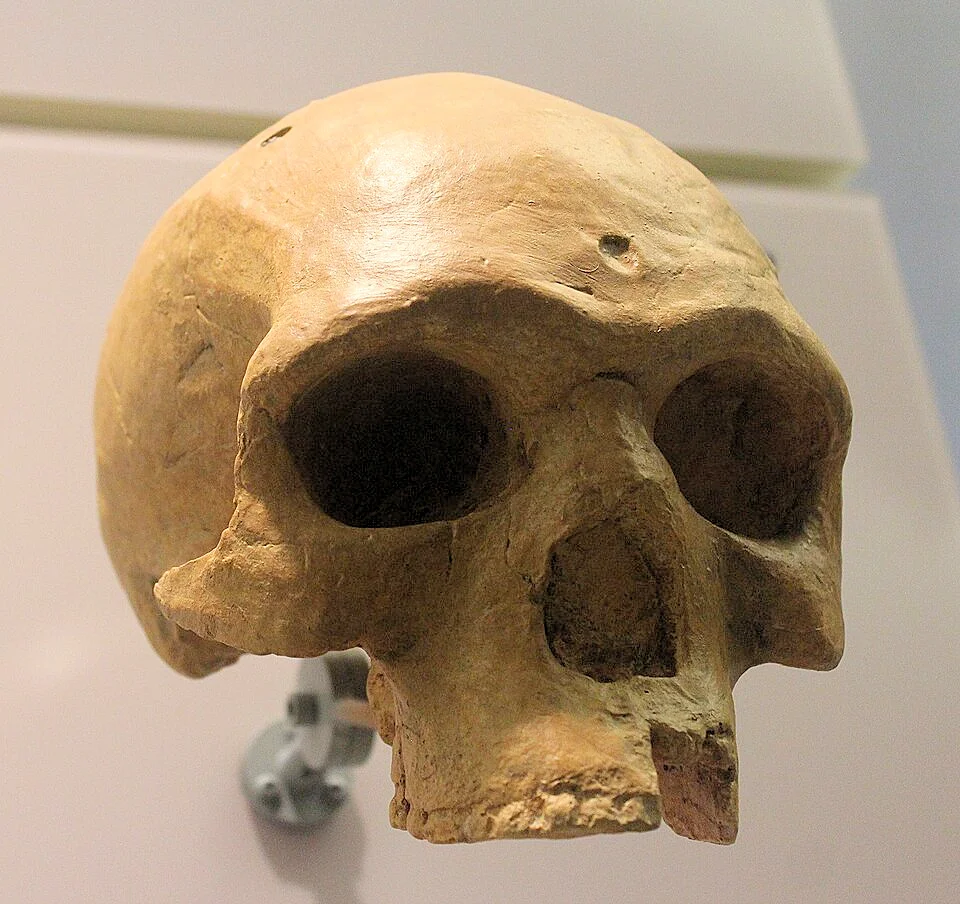
Stone tools had already given archaeologists reasons to look for Neanderthals in the western Pyrenees. A tool can preserve evidence of how somebody worked, but it cannot always identify the person who held it. Six fragments from Abauntz Cave have supplied a different kind of evidence, the first human remains directly attributed to a Neanderthal in Navarre.
The team presented the finds on 19 October. The cave is in Arraitz-Orkin in northern Spain’s Ultzama Valley. According to the research institute IPHES-CERCA, the pieces were recovered during earlier excavation seasons. The announcement follows analysis of the remains, which researchers say came from an adult male who lived about 46,000 years ago.
A hand assembled from different kinds of evidence
Three of the pieces could be identified as metacarpals, the bones that run through the palm. Another was a middle phalanx, one of the bones within a finger. The team assigned these four to a right hand. Two additional pieces were too fragmentary to offer the same anatomical clues. Protein evidence helped establish that they were human.
The researchers also reported preserved ancient DNA and direct radiocarbon dating. The Government of Navarre gave a date range of approximately 44,000 to 49,000 years ago. Direct dating matters here because the material tested belongs to the individual under discussion. Dating an associated object or the surrounding archaeological layer would answer a related question, but the connection to a particular person would require another inference.
The rounded age of 46,000 years therefore represents a way of communicating the age range. It cannot place the person in the cave in any particular year. Likewise, identifying an adult male does not tell researchers what brought him there, how long he lived in the area or how representative he was of other people in the region.
What else was happening in the cave?
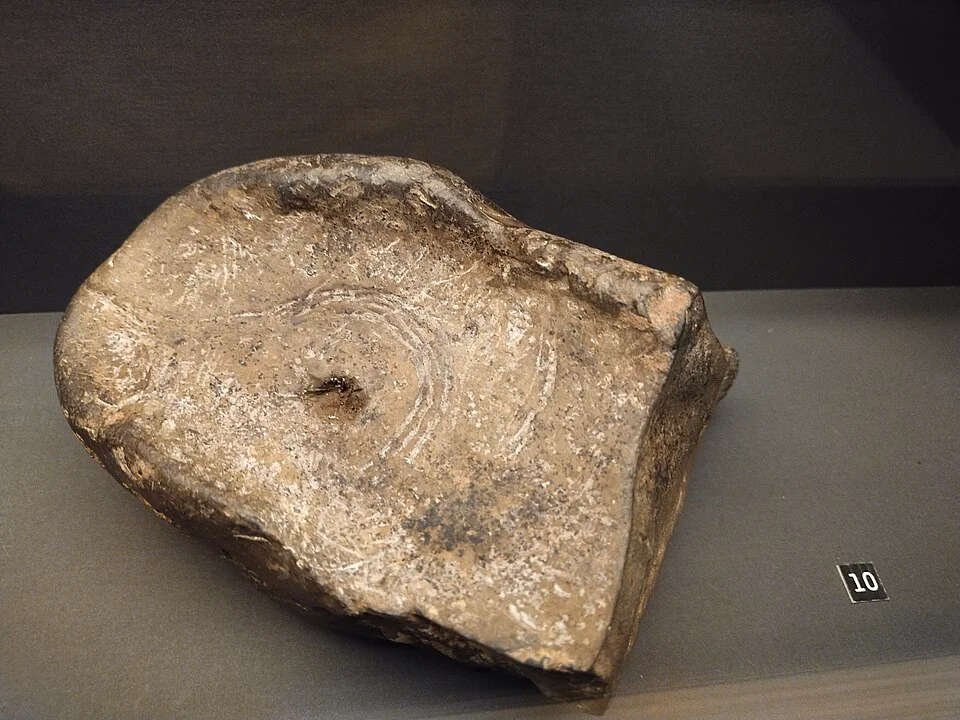
Some fragments carry marks attributed to carnivores. These help in reconstructing what happened to the remains after death. They do not in themselves establish how the individual died. Nearby stone tools and animal remains offer a different line of inquiry, including traces on some animal bones consistent with processing by people who used the cave.
Such details are particularly valuable in a place with archaeological signs of human activity but a previously empty local record of identifiable Neanderthal bodies. Researchers can now compare evidence from an individual with material produced by activities in the same setting. They can also ask how this part of the western Pyrenees fits into the late history of Neanderthals elsewhere in Europe.
A right hand sounds like a modest addition to a record measured in tens of thousands of years. In Navarre, it changes the kind of question that can be asked, from who might have made the tools to what can be learned about someone who was actually there.