- La Biennale reported 714,015 visitors, including 29,387 at the pre-opening.
- Only ticket holders with recorded visits to both principal venues qualified for the anonymous ballot.
- The exhibition hosted 100 national participations, including 46 around the city.
Inside this story 3 perspectives
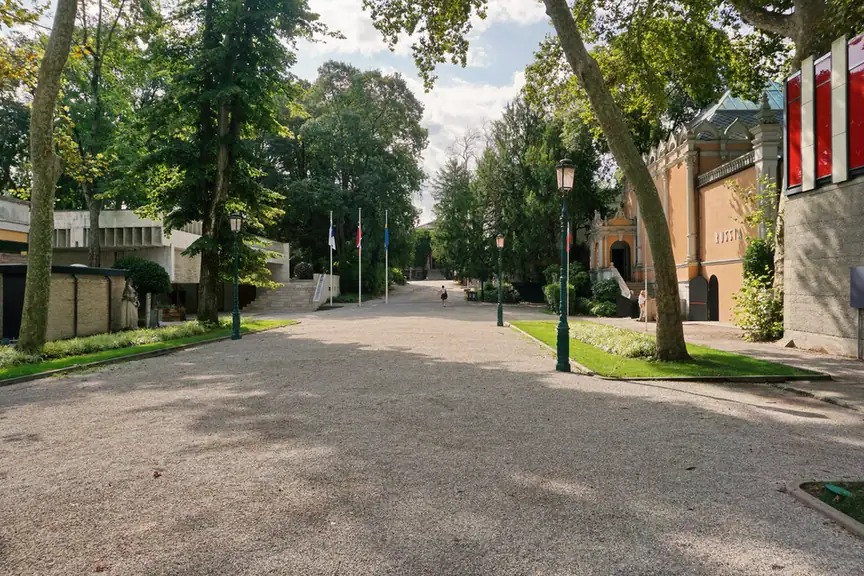
The 61st Venice Art Biennale closed on Sunday with 714,015 visitors recorded by its organisers. Only some of them qualified to choose the winners of its two Visitors’ Lions. Ticket holders had to visit both the Giardini and the Arsenale before they could receive a ballot. Someone who spent a whole day with work in just one of those venues had a perfectly good visit and no vote.
It is a striking distinction at an exhibition that included a record 100 national participations. Some occupied familiar permanent pavilions. Others drew audiences out into the city. With so many possible routes through Venice, attendance, eligibility to vote and the number of ballots actually returned measure three different things.
How a ticket became a ballot
The change followed the resignation of the exhibition’s international jury in April, shortly before the public opening. La Biennale created two visitors’ awards. One recognises a participant in the central exhibition, Koyo Kouoh’s In Minor Keys. The other recognises a national participation. Choosing a favourite artist and choosing an entire pavilion are separate acts, even for a visitor whose strongest memory of Venice is a single work.
Under the published procedure, the ticketing system checked entry to both main venues. The Biennale then sent an email link starting 24 hours after the second entry. The anonymous ballot allowed one choice in each category in a single session. An artist collective appeared as one participant. A large ensemble consequently had the same place on the list as an individual artist.
What an afternoon in Venice could miss
Of the 100 national participations, the Biennale counted 46 around the city. The rules did not require a ticket holder to find every one of them. Visiting the two main venues established a minimum common experience, but it could leave two eligible voters with very different impressions of the same exhibition.
That matters for a national presentation mounting its first appearance. Guinea, Equatorial Guinea, Sierra Leone and Somalia were among the seven countries the organisers listed as first-time participants. A visitor could discover an unfamiliar artist through one of those presentations without seeing everything else that country’s contemporaries had brought to Venice.
The figure on closing day
The attendance total includes 29,387 pre-opening visitors. The event ran for three weeks less than previous editions, following work on the renovated Central Pavilion. Both details belong beside the headline number. Neither tells us what proportion of the audience voted, how long people spent with particular works, or whose performances held their attention.
Kouoh’s exhibition began to take shape through conversations in Dakar as well as work across several other cities. It arrived in Venice through the efforts of the team that carried her project forward. The closing figures capture the scale of the encounter they made possible. A visitor choosing two entries on a ballot left a much smaller and more personal record of it.