- The Falling Walls Foundation selected Yu Huang for its engineering and technology honour.
- Her research changes the immediate surroundings of platinum particles in fuel-cell catalysts.
- Catalyst performance is one factor in the lifetime and cost of a complete fuel-cell system.
Inside this story 2 perspectives
Small particles can make an expensive metal go further. Divide a fixed amount of platinum into sufficiently small pieces and more of it becomes available at a surface where a chemical reaction can take place. That is attractive to the designers of hydrogen fuel cells, who rely on platinum as a catalyst. The difficulty is keeping those pieces working under demanding conditions. A material that performs beautifully at the beginning of a test may be a poor investment if that performance disappears too quickly.
UCLA announced on 7 October that the Falling Walls Foundation had selected materials scientist Yu Huang for its 2026 engineering and technology breakthrough honour. Her research addresses a choice that has frustrated fuel-cell designers. More platinum, or larger particles, can improve stability, but the metal is expensive. A design that extracts more performance from less platinum also needs a way to preserve that advantage over time.
Working on the surroundings
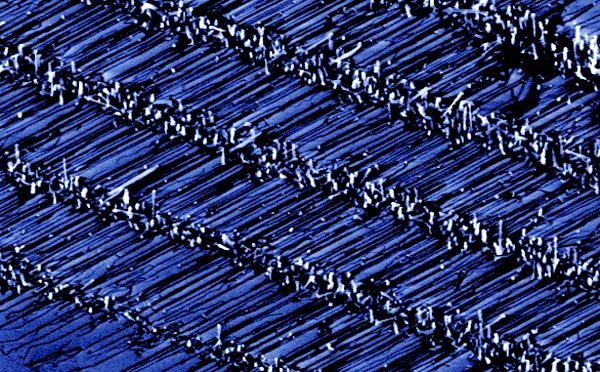
Huang’s group studies what happens at the meeting point of different materials. In her foundation interview she describes wrapping very small platinum particles in protective environments, including pockets made from graphene, and incorporating oxide clusters. What changes is the immediate chemical and physical neighbourhood of the metal. The aim is to keep small particles stable while leaving them available to do the work for which the platinum was bought.
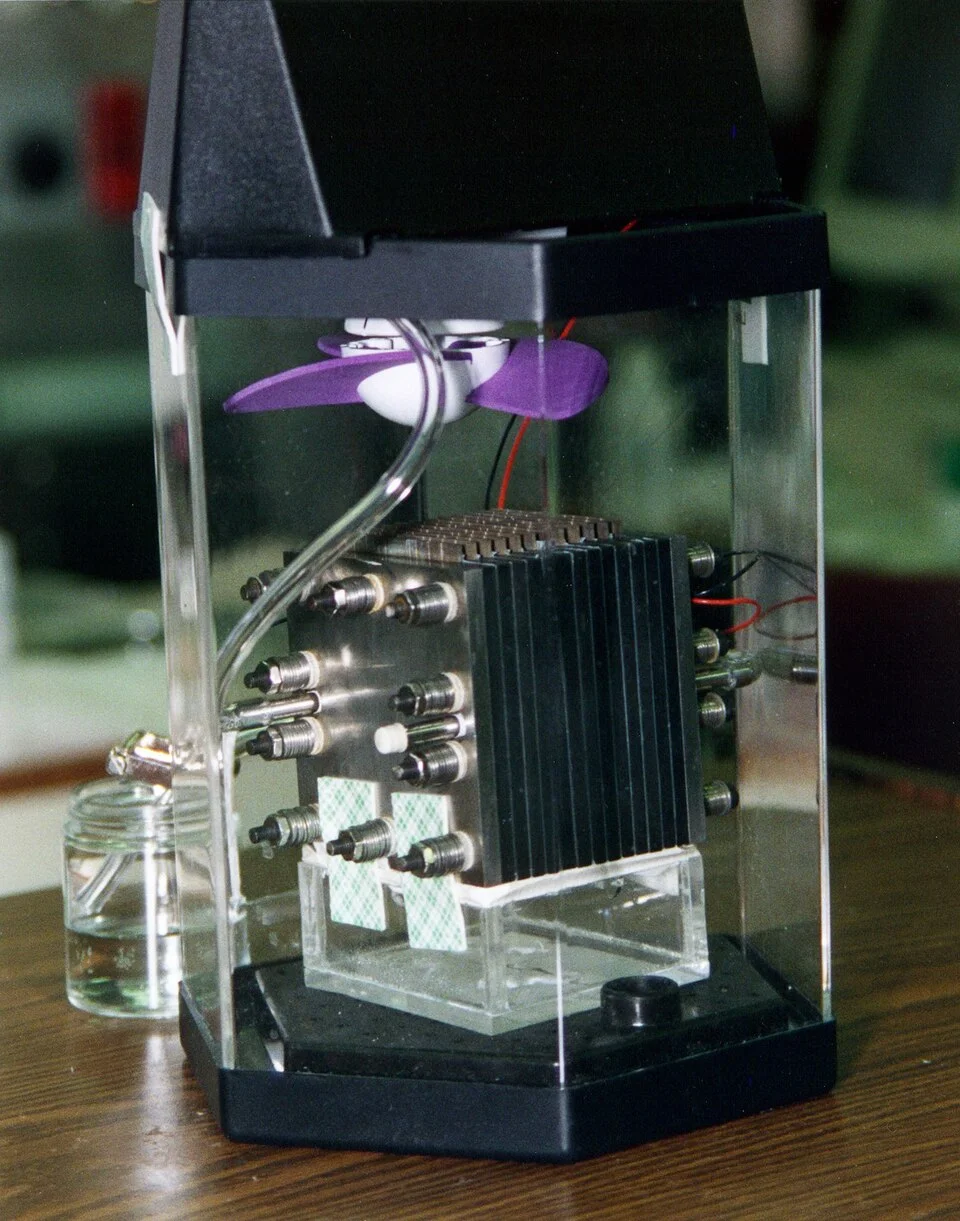
This is an especially interesting question in a proton exchange membrane fuel cell. The device turns the chemical energy of hydrogen and oxygen into electricity. The catalyst helps the reactions proceed, so the condition of its active surface influences how much useful performance a design can get out of a given quantity of metal. Losing access to that surface changes the economics even if the platinum is still somewhere inside the device.
The distance from a catalyst to a truck
UCLA identifies heavy-duty vehicles and industrial applications as potential uses. A buyer considering a commercial vehicle would care about performance under load, time between replacements and the cost of the complete system. Using a smaller quantity of platinum could help with the initial materials bill. Keeping the catalyst effective for longer could matter to maintenance. These are related benefits, and they would be measured in different ways.
The foundation award recognises a materials design approach. It offers no fleet results from which to calculate a lifetime cost per kilometre. That distinction leaves an interesting question for the next stage of development. Can the carefully made environment surrounding each platinum particle be reproduced consistently across a large working device and retained throughout its expected service? The engineering insight already has a precise location. Some of the most valuable work on platinum is happening in the few layers of material just outside it.