- Woolworths said on 8 October that its acquisition of in2food had received Competition Tribunal approval.
- The food producer and retailer have worked together for more than thirty years.
- The company expects implementation in the coming month, with in2food continuing as a standalone business within the group.
Inside this story 2 perspectives
A chilled prepared meal starts costing money before it reaches a shopper. Somebody has to commit ingredients, production time, packaging and space in a distribution network, with relatively little room for error if the quantity made does not match the quantity sold. South African retailer Woolworths is about to bring more of those decisions inside the same corporate group.
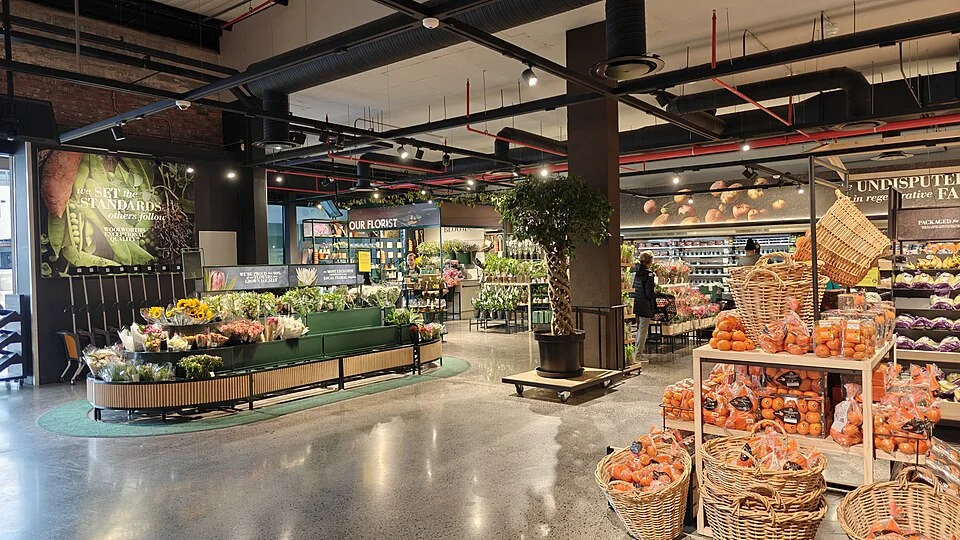
On 8 October Woolworths said the Competition Tribunal had approved its acquisition of in2food, a South African convenience-food producer that has supplied the retailer for more than thirty years. The company said the regulatory conditions had been met and expected to implement the transaction in the coming month. It expects in2food to continue as a standalone business within the group once that happens.
Why buy a supplier you already know?
A retailer and manufacturer with a long history of working together can already share forecasts and collaborate on recipes. They nevertheless have different owners, budgets and reasons for accepting risk. A supplier asked to invest in a production line may want a long-term purchasing commitment. A retailer may want the flexibility to change its range quickly if customers move on to something else.
Bringing the businesses under common ownership could make it easier to decide whether that investment makes sense for the group as a whole. The same applies to information about a product that sells faster in some stores than in others. If the manufacturer can change its plan in time, close coordination could reduce both empty shelf space and surplus stock. Those are plausible effects of the transaction, and will have to be demonstrated under real trading conditions.
Where the old boundaries still matter
Woolworths says it sees opportunities in food service and exports as well as in its own stores. It also says other suppliers remain important to the retailer. Running in2food as a separate business within the group would preserve a recognisable operating unit, but decision-makers will still need to reconcile the priorities of an owned manufacturer with those of a retailer choosing from several suppliers.
A company can improve the speed at which one product is developed and still take on costs it previously paid only through its buying contracts. Production equipment needs upkeep, ingredients fluctuate in price, and filling a factory efficiently can become a consideration alongside choosing the best range for a store. Buying a supplier brings those trade-offs closer to the retailer’s own balance sheet.
Woolworths expects the acquisition to benefit earnings, with additional efficiencies developing over time. Thursday’s announcement establishes a different milestone: permission for the change in ownership to go ahead. Evidence of its commercial value will come later, in decisions about what gets made, how quickly it reaches stores and how much of it customers actually take home.