- S&P Global’s headline index dropped from 50.5 in August to 49.0 in September.
- New orders fell at the fastest rate in two and a half years, while export business rose for a fourth month.
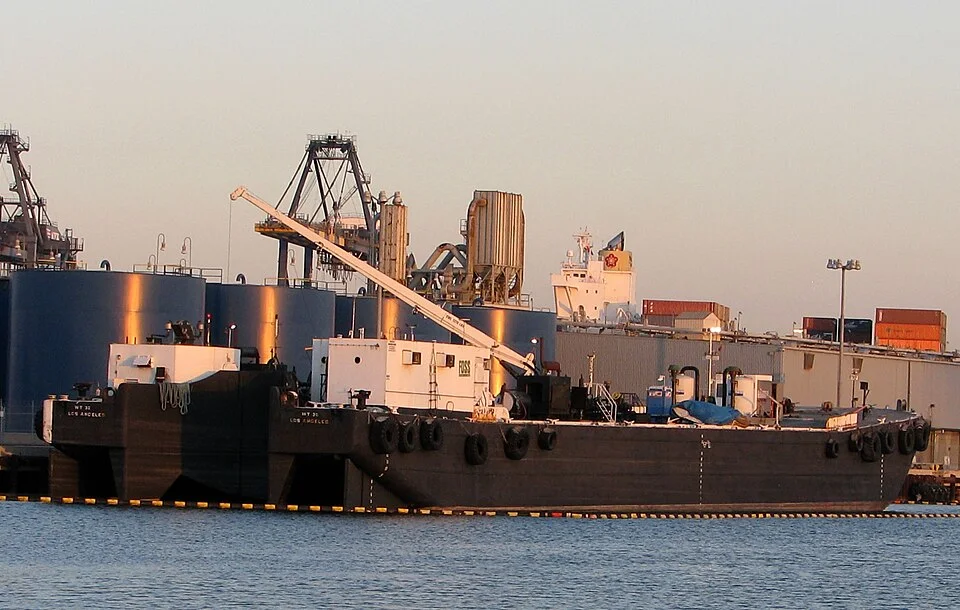
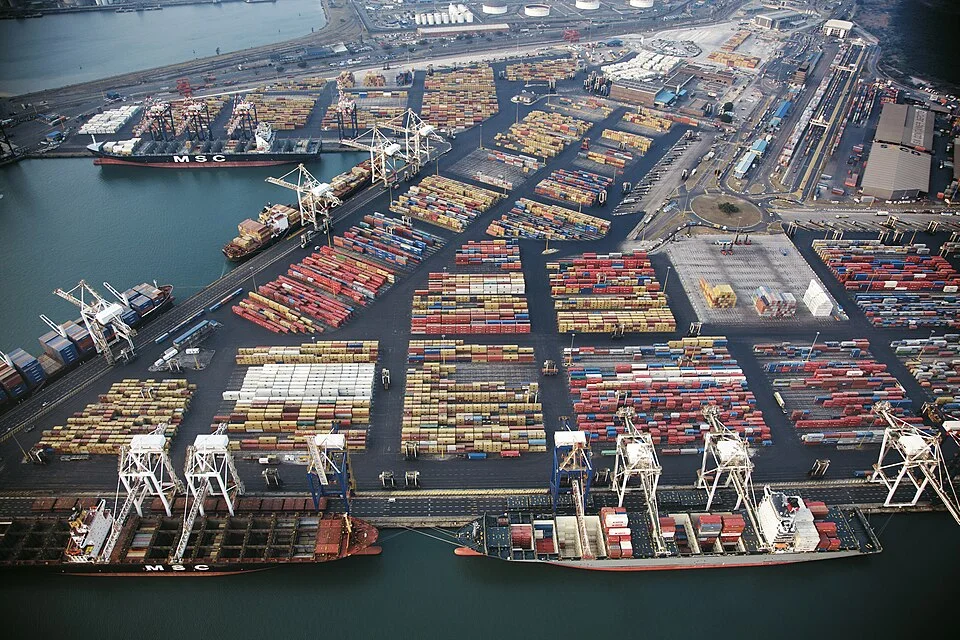
- Survey respondents cited Durban port congestion, shipping disruption and shortages among the causes of longer delivery times.
Inside this story 2 perspectives
A purchasing manager waiting for materials at Durban and a sales manager waiting for a local customer to place an order can both report a worse month. They are describing different pressures. South Africa’s September purchasing managers’ survey, released on 5 October, picks up both. The S&P Global index fell to 49.0 from 50.5 in August, moving below the dividing line between improving and deteriorating business conditions.
New orders fell at the fastest pace in two and a half years. Firms described customers postponing spending amid uncertainty about fuel prices and the economy. Yet export business increased for the fourth month in succession. A business that sells abroad could therefore have found willing buyers while still struggling to get the materials needed to fill their orders. The headline alone gives little indication of that particular squeeze.
What a reading of 49 can tell a buyer
S&P Global asks companies whether conditions have improved, stayed the same or deteriorated relative to the previous month. For an individual survey measure, the calculation gives full weight to the share reporting an increase and half weight to the share reporting no change. Responses are weighted to reflect company size and sector. Fifty is the neutral reading. A fall below it signals a broad deterioration in the conditions covered by the index.
It follows that 49.0 is neither the percentage of companies losing business nor the rate at which output fell. A very large fall in orders at one company and a modest fall at another both register as declines. To understand what might be happening to a particular supply relationship, the accompanying responses about prices, delivery and demand become more useful than an extra decimal place on the overall index.
A longer wait can be expensive
Supplier deliveries lengthened to the greatest extent since February 2024. Firms cited congestion at the Port of Durban as well as shipping difficulties and shortages of materials. Higher fuel prices also pushed up input costs. For a manufacturer promising a delivery date, those pressures pull on different parts of a quotation. Transport affects cost, while an uncertain arrival affects whether the company can promise a date at all.
Employment changed little, and respondents’ expectations about future activity improved. Those signals sit comfortably alongside a weak September once their time horizons are clear. A company can keep its current staff, receive fewer orders today and still expect business to pick up next year. The most informative question for a supplier reading these results may be which issue its customer actually faces: a shortage of demand, a delay getting inputs, or enough orders on the books but very little certainty about when they can be filled.