- IFC managing director Makhtar Diop described the proposed rail project in a 23 September interview.
- He connected the proposal to waterways, dry ports and regional trade towards Burkina Faso.
- The discussion establishes interest. Costs, contracts and construction dates remain separate decisions.
Inside this story 2 perspectives
Seven kilometres is a short distance to highlight in a conversation about moving goods across West Africa. Yet a container can lose more time waiting to change transport than it spends covering a much longer stretch of open road. On 23 September the managing director of the International Finance Corporation, Makhtar Diop, described discussions with Ghana about a proposed railway of that length around Tema.
In his interview with Channel One TV, Diop linked the proposal to a wider set of connections involving waterways, inland dry ports and trade towards Burkina Faso. He also described talks about additional solar generation for the Tema processing zone. The railway and the electricity supply address different costs. A processing business needs enough power to make its goods and a predictable way to move them once they are ready for a customer.
The handover at the port
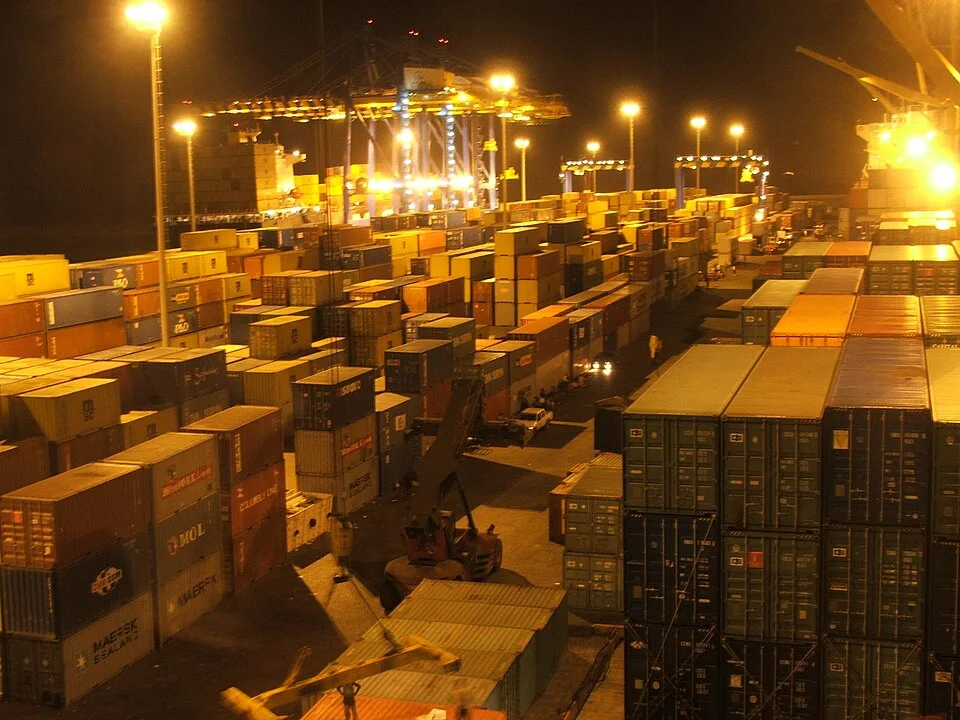
A short rail link is valuable only in relation to the things it connects. At one end, a terminal must be able to hand over the cargo when the train can take it. At the other, a road, inland facility or further rail service must be ready to receive it. If goods wait for space, paperwork or an onward slot, a fast journey over the track does little to shorten the trip on a shipper’s invoice.
That makes this a different investment question from simply asking how many kilometres Ghana could build. A cocoa processor sending a time-sensitive shipment and a trader trying to schedule a truck to an inland destination both need to know when the next link can accept the goods. A reliable timetable or a reduction in unpredictable waiting could matter even if the distance travelled falls very little. Those benefits would have to be measured at the transfers, as well as on the line itself.
What the discussion establishes
Ghana’s presidency and finance ministry have also reported wider talks with the IFC about investment and the economy. The specific seven-kilometre proposal came into public view through Diop’s description of discussions. He did not announce a completed investment, publish a construction contract or specify a freight tariff in that account.
The distinction matters to the companies that might use it. They cannot yet put a confirmed rail departure into a delivery schedule or assume an energy project will bring down the cost of production by a particular amount. They can identify where their own shipments spend time and what would need to change to make rail attractive.
For Ghana’s neighbours, that is also the sharper question about access through Tema. The value of a gateway extends beyond what happens at the water’s edge. It is felt at the next warehouse, loading bay or border post where a customer is waiting for the consignment.