- The three-day forum opened in Kinshasa on 26 October.
- Transport minister Jean-Pierre Bemba tied investment in routes to customs reform, energy and storage.
- Local producers need a practical way to reach a corridor and a buyer at the other end.
Inside this story 2 perspectives
A truck can cross a district without creating much business for the people who live there. At a transport investment forum in Kinshasa this week, that distinction became a question for the Democratic Republic of the Congo. If the country is to help build routes carrying other people’s goods across Central Africa, what will it take for Congolese producers to use them too?
The third RDC Transport Infrastructure & Logistics Investment Forum opened on Monday and runs through Wednesday. Think Tank RDC Stratégie convened it with support from the transport ministry. Speaking at the opening, transport minister Jean-Pierre Bemba identified a set of responsibilities that rarely belong to a single contractor. Roads and other connections depend on storage, reliable energy, digital services and customs procedures. It is possible to finish the civil works while the journey that matters to a business remains slow and expensive.
The distance to the loading point
Imagine two growers sending the same crop to the same buyer. One can book space on a regular service from a nearby warehouse. The other pays for a separate journey to the main route and hopes there is still room when the truck arrives. The map may give both farms almost identical access to a regional corridor. The cost of getting a saleable consignment to the buyer tells quite a different story.
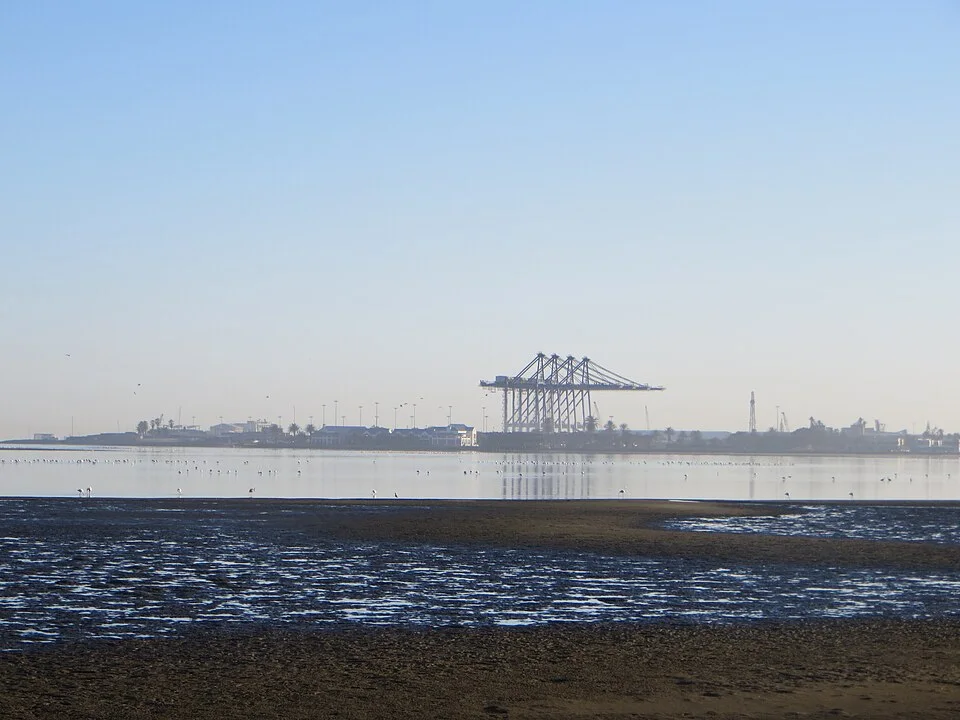
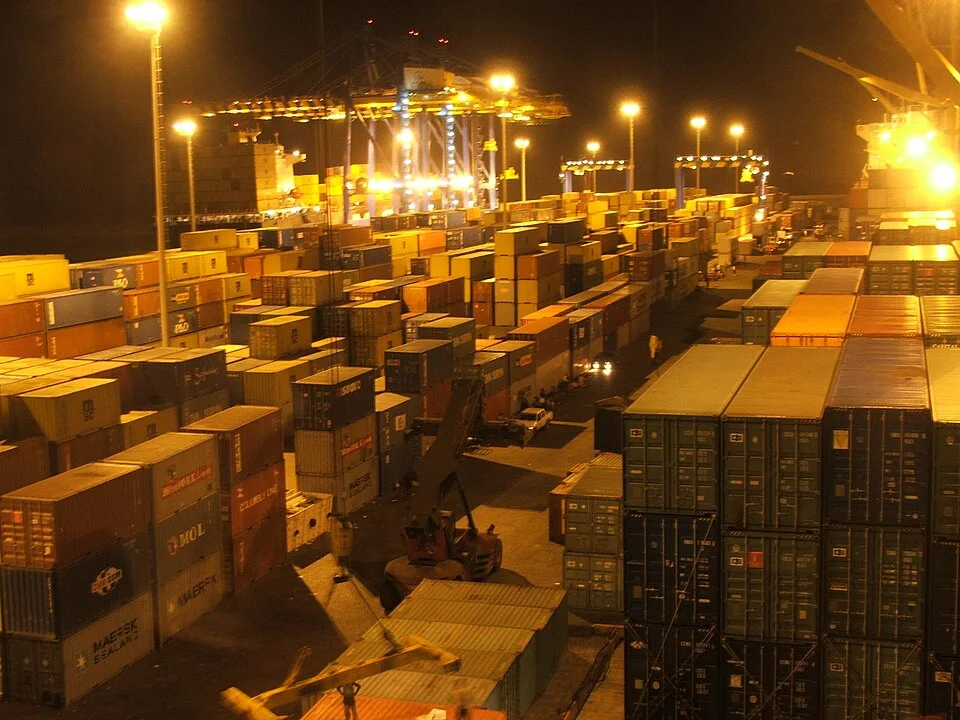
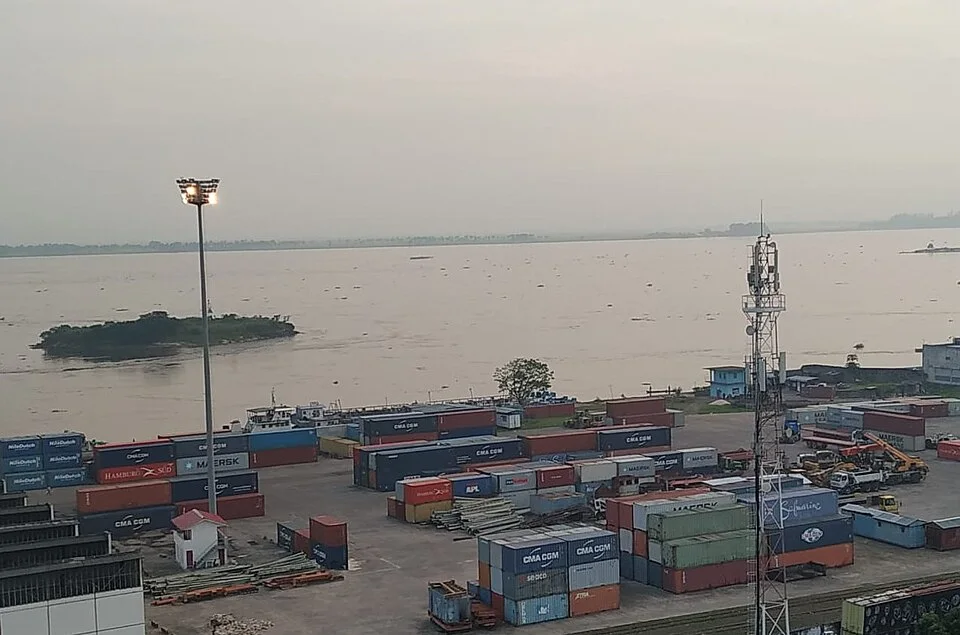
At the forum, organisers placed several possible connections on the table, including Atlantic and Lobito routes, links towards eastern and southern Africa and the Congo’s river network. Connecting these systems entails decisions about where goods can change hands or modes of transport. A place where a producer can consolidate a small load with others can be as valuable to a local firm as a faster long-distance journey.
Where the delay moves
Faster transport shifts attention to the next place a shipment waits. A vehicle reaching a border hours earlier does little for a delivery if its paperwork can only be cleared the following morning. The transport minister called for better coordination among states as well as administrative reform. A government can improve its own approach road. Changing what happens on both sides of a crossing takes agreement.
Financing is on the agenda for the final day. An investor assessing a proposed warehouse will want to know who will use it, at what price and how often. A local official may have a different question about the same facility. Could smaller suppliers deliver there on terms they can afford? Both questions belong in the project design. The strongest evidence that a route has become a development corridor will come after the speeches, when a producer can quote a customer a dependable price and delivery date.