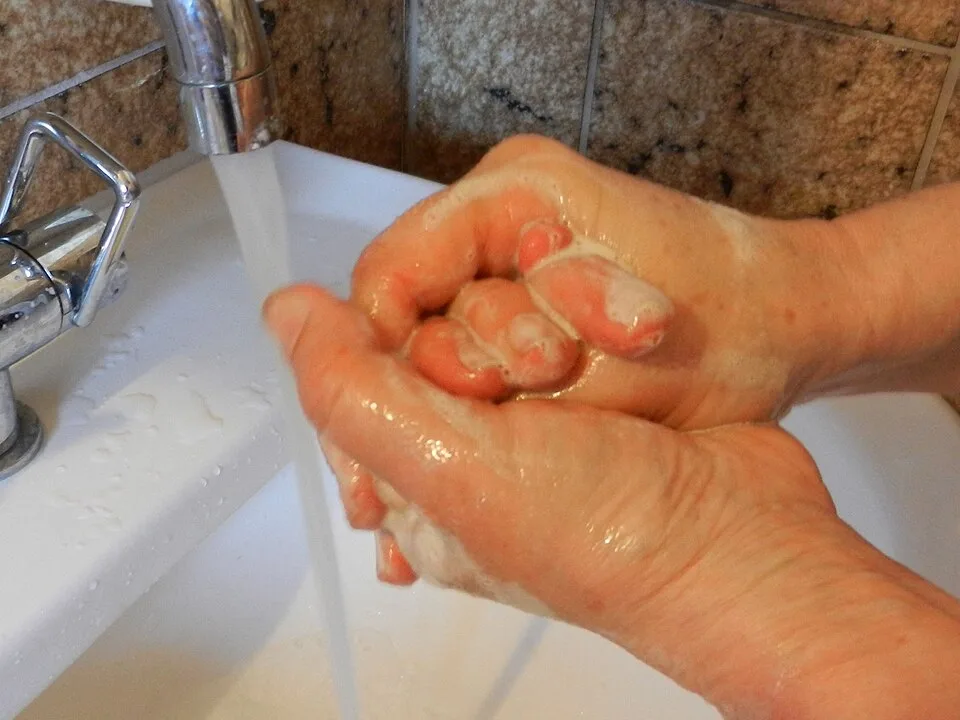
- WHO advises washing an exposed wound thoroughly with soap and water for at least 15 minutes and seeking prompt medical care.
- Small scratches can qualify as exposures even without obvious bleeding.
- Dog vaccination reduces risk in the community, while clinicians assess what prevention an exposed person needs.
Inside this story 2 perspectives
A child may call a mark from a dog a scratch, while an adult listening for the word bite hears nothing alarming. That difference in language can cost time. The World Health Organization includes minor scratches or abrasions without bleeding among the exposures that can require rabies vaccination after contact with a suspect animal. A household does not need to decide the category on its own. It can start washing the wound and seek medical care immediately.
World Rabies Day on 28 September brings together people who do different parts of this work. Parents and caregivers need to recognise a possible exposure. Health workers assess the person and arrange preventive treatment. Veterinary teams vaccinate dogs and investigate problems in animals. The tasks fit together, although one cannot stand in for another at the moment somebody is hurt.
What to do before the mark fades
WHO recommends washing and flushing a bite or scratch thoroughly with soap and water for at least 15 minutes as soon as possible. Seek urgent assessment by a health professional. Washing is an important first action and medical assessment remains essential. A family should not wait to see whether symptoms develop. Once clinical rabies appears, the disease is virtually always fatal, whereas timely treatment after exposure can prevent it.
When speaking to a clinician, describe what happened in ordinary detail. Did teeth or claws break the skin? Did saliva reach a cut, the eyes or the mouth? When did it happen? WHO distinguishes these situations from an animal licking intact skin. A mark need not be dramatic to merit assessment, and a clinician can work through an uncertain account, including any previous rabies vaccination. The treatment may include vaccine and, for certain exposures, an additional product that supplies immediate protective antibodies.
The appointment for the animal comes earlier
The World Organisation for Animal Health highlights vaccination of dogs as a way to interrupt transmission at its source. For a household, that preventive task starts when the dog is well. A veterinary practice or local animal-health service can advise about its vaccination record and available campaigns. For a community, the benefit extends to people who do not own dogs and to children who may never learn which animal scratched them.
The South African National Institute for Communicable Diseases has also urged people to seek care promptly following potentially dangerous contact with an animal. Information about the animal can help professional teams, if it is already available. Looking for the animal should never hold up a person’s treatment. A child can be taught a simpler version of the same message: tell an adult promptly about any bite or scratch, even when it looks small. That gives the adults time to do the two things that matter first, wash the wound and get medical help.