- Maputo Fast Forward runs from 23 October to 1 November at JFS Tower.
- Its tenth-anniversary programme includes exhibitions, film, performance and discussions.
- Works by Malik Afegbua, Nuro Sumalgy and Shaazia Adam offer different ways into the theme.
Inside this story 2 perspectives
An image can look like a memory before the viewer has any idea where it came from. That gap between recognition and knowledge sits close to the centre of Maputo Fast Forward this year. In an anniversary programme previewed by ART AFRICA on 22 October, the festival makes room for artists who approach the problem through territory, inherited knowledge, performance and the making of pictures.
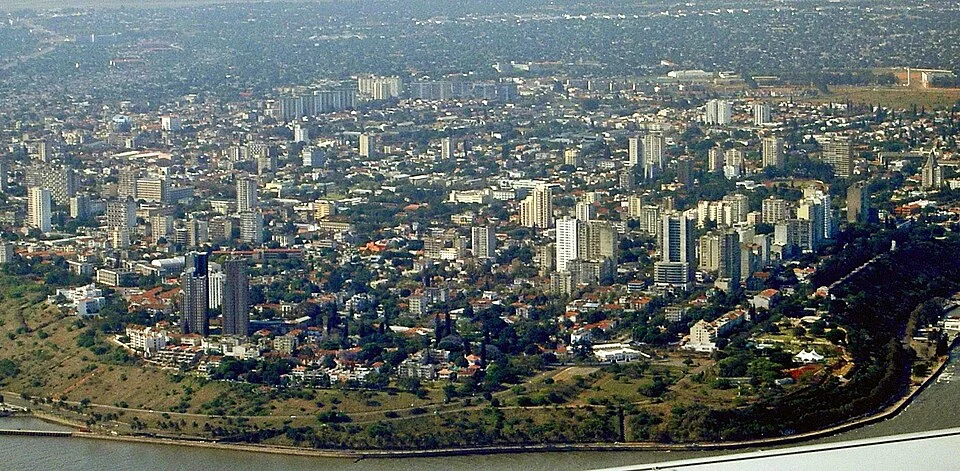
The festival, established by 16Neto, turns ten this year. Its programme runs from 23 October to 1 November across several floors of JFS Tower in downtown Maputo. Admission is free. The organisers have called the edition Artificial Realities: The Infinite Mirror, a title that suggests the peculiar experience of seeing a familiar image return with its origin a little harder to locate.
One place to begin is Nigerian artist Malik Afegbua’s Rememory, Legacy Link. Afegbua works with artificial intelligence and representations of African identities. His inclusion poses a question for anyone encountering a persuasive image that appears to describe the past. What part of its force comes from a documented life, and what part comes from the artist’s decision about a life that might be imagined?
Other things a mirror can reflect
The exhibitions give that question companions. Dilayla Romeo’s Aerial Cartographies: Territories in Dissolution brings territory and the act of mapping into the programme. A map may look like a view from nowhere in particular. In fact, someone has chosen the scale and the boundary and decided which features count. Those choices long predate digital image generators, and they remain visible once a spectator starts looking for them.
Performance makes the theme feel different again. The programme includes Nuro Sumalgy’s Raízes Digitais: Inteligência Ancestral and Shaazia Adam’s The Infinite Garment. The titles alone propose two forms of continuity, one through roots and one through material worn on the body. A festival visitor can carry that pair of ideas from the exhibition space to a performance without needing a technical grounding in the systems under discussion.
A conversation in the middle of town
The discussions bring philosopher Severino Ngoenha and writer Wakanyi Hoffman into the programme alongside artists and other participants. Film, music, gaming and activities for younger audiences offer further entrances. Someone who comes to see a performance can encounter a question about how information travels. Someone interested in algorithms can discover how artists have long wrestled with assigning an author to a shared inheritance.
Perhaps the most interesting question to take into JFS Tower is a small one. When an image looks familiar, who taught the viewer to recognise it? In a city hosting its own conversation about creative technology, that question leaves room for answers drawn from a family, a place, a language or an artist's deliberate act of invention.