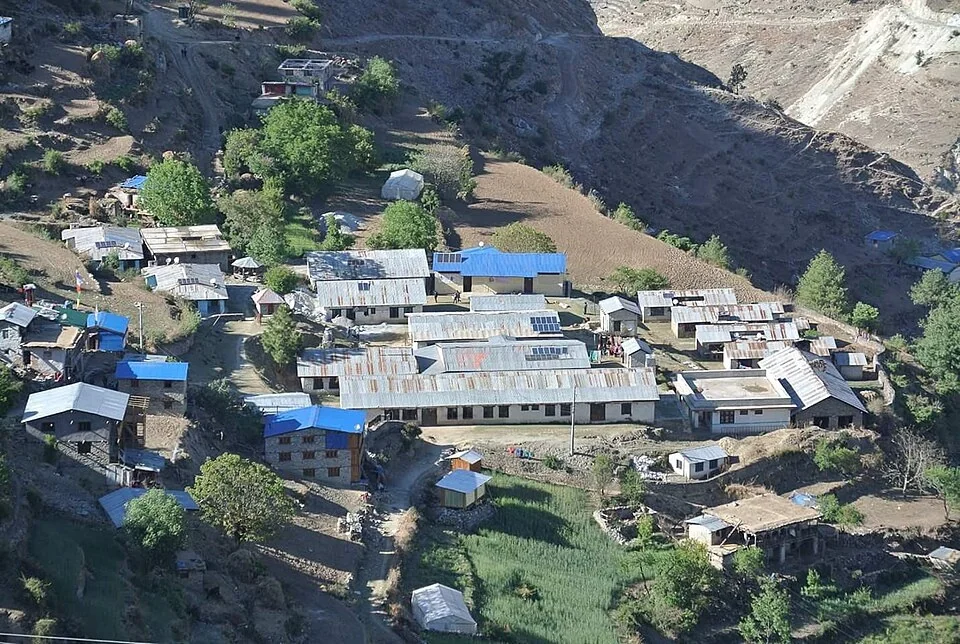
- The partners plan psychosocial support points at ten district hospitals in Nepal.
- In East Amman the agreement includes counselling, with acute secondary care planned at a public hospital.
- The agreement sets out future services. It does not establish how many people have used them or how patients have fared.
Inside this story 2 perspectives
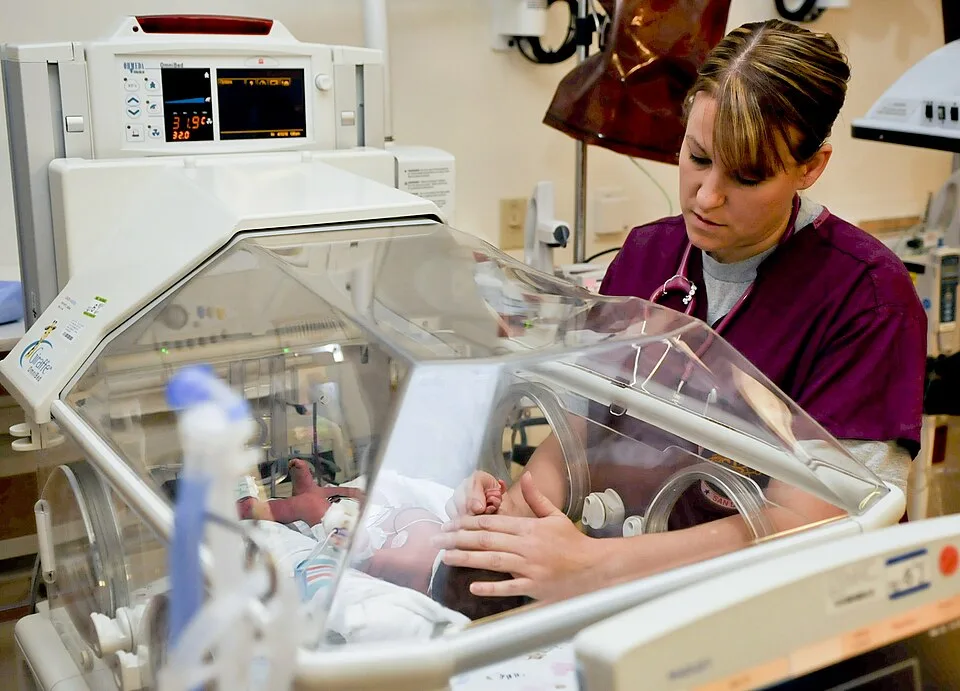
For someone already attending a district hospital, there is a substantial difference between being told that support exists somewhere in the health system and being able to ask a person in the same building where to begin. A new agreement in Nepal aims to make that first conversation easier at ten district hospitals.
The World Health Organization and the Lions Clubs International Foundation announced a three-year partnership on 14 August covering Nepal and Jordan. In Nepal, the plan includes dedicated points for psychosocial support and work under the country’s school mental health framework. In Jordan, the partners set out a different combination of counselling and acute hospital services. The announcement describes what the partners intend to build. It does not report treatment outcomes.
The first conversation
For a district hospital, setting aside a space is the visible part. Whether it helps depends on the arrangements around it. Can a patient find the service without having to give a detailed explanation in a crowded reception area? Who is available to speak to them? If the next appropriate appointment is elsewhere, does the person leave with a specific contact or another general instruction to seek help?
These are practical questions for judging the new service when it opens. They also apply to the connection between health and education envisaged in Nepal. A school can make it easier to start a conversation. Its staff still need to know how to direct a young person towards an appropriate service and handle information with care. An increase in the number of first contacts would show that more people had found a way in. It would say little by itself about whether they received continuing support.
A different starting point in Amman
In East Amman, the partnership plans counselling services with the Friends of Cancer Patients Association. The agreement also envisages acute secondary care for children and adults in at least one public hospital in Jordan. That is a different service from a general counselling appointment and answers a different need. Reporting both simply as an increase in mental health services would obscure the distinction.
The work is part of WHO’s existing Special Initiative for Mental Health. In Jordan the wider initiative includes efforts to strengthen care and safeguard patients’ rights. Existing collaborations matter because a three-year programme eventually reaches an end, while a person receiving support may still need it.
The most informative update from either country would follow what happens beyond the front door. How long did people wait before being seen? Could someone follow a referral without repeating every step? Was care still available when they returned? Counting the hospitals that have opened a support point will be a useful beginning. The answers from those who use them will reveal what changed.