- Wabtec announced a long-term services contract worth more than US$700 million.
- The company put its combined locomotive and service business for the project above US$1.2 billion.
- The new agreement includes training, parts, overhauls and work on unexpected faults.
Inside this story 2 perspectives
A locomotive can appear on an operator’s books long after it has ceased to be available for the next train. A part is missing, a unit is waiting for inspection or a repair has to be made by a specialist elsewhere. On a line built to carry iron ore across Guinea, the distance between owning a fleet and having it ready for work has acquired a substantial price tag.
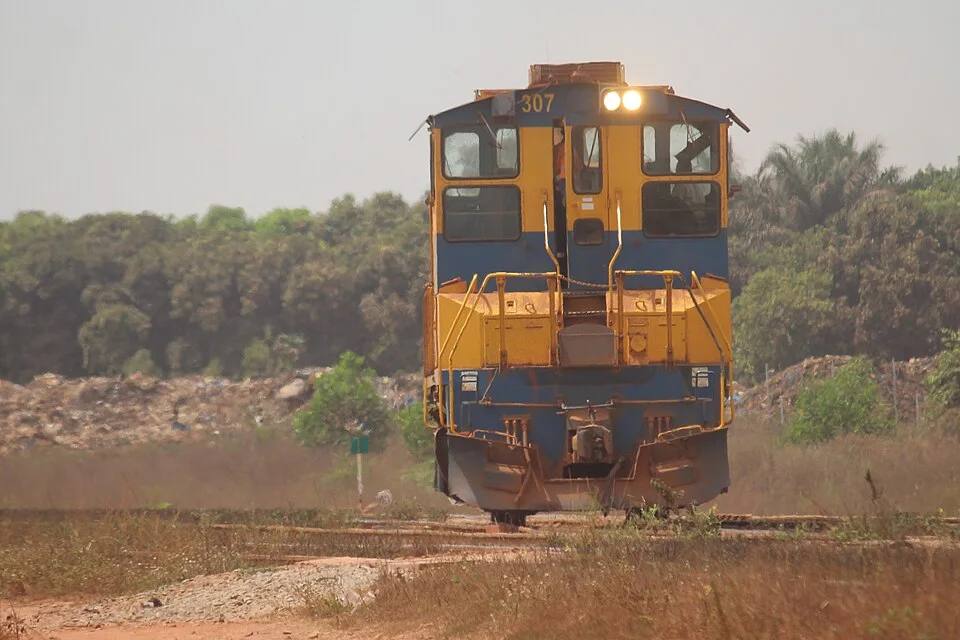
Wabtec announced on 21 September that it had signed a long-term service agreement worth more than US$700 million with La Compagnie du TransGuinéen, or CTG. The contract supports the Evolution Series locomotives serving the Simandou project. Combined with earlier orders for locomotives, Wabtec says its business on the project is now worth more than US$1.2 billion. The two figures overlap. Adding them together would count the new service agreement twice.
What sits behind the number
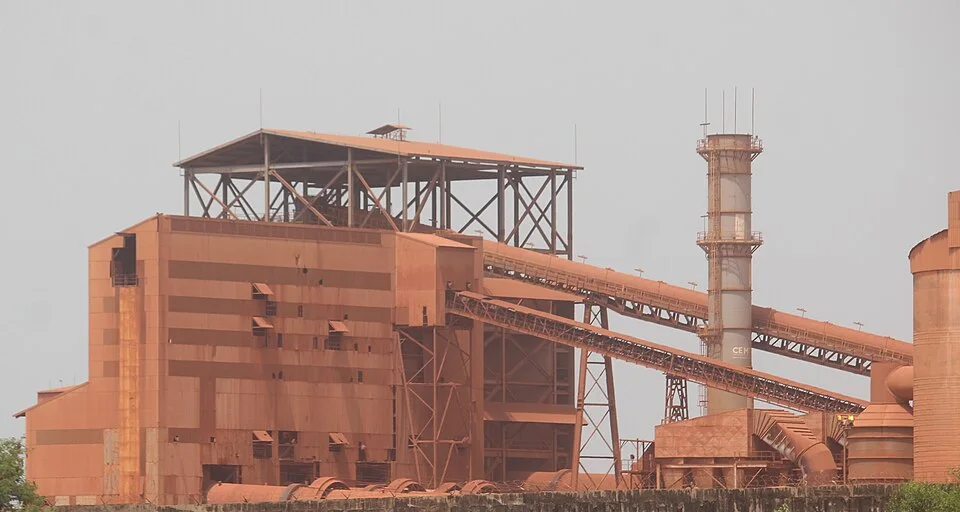
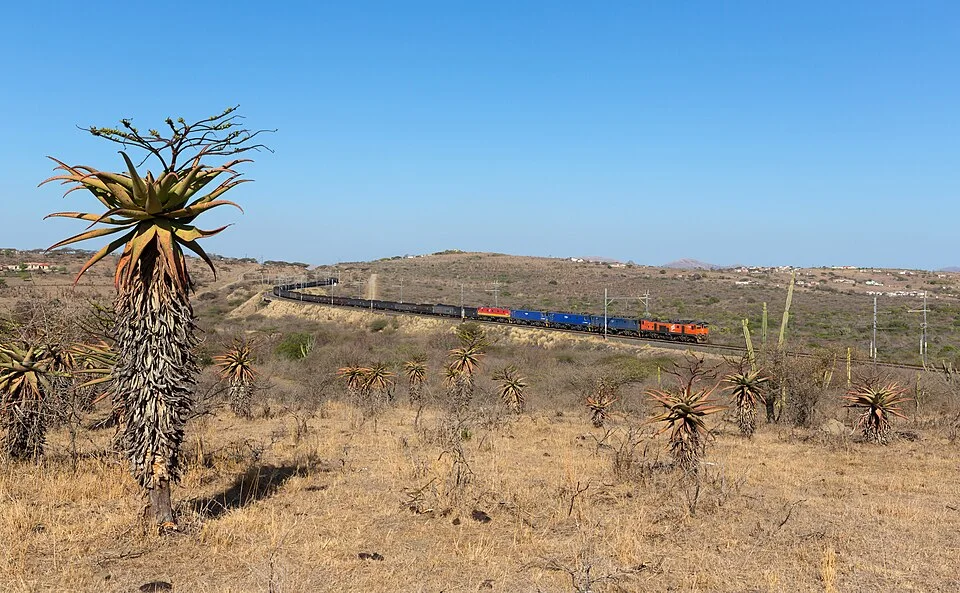
CTG’s railway runs for more than 600 kilometres between the mining area and the port of Morebaya. Earlier purchasing announcements described two orders for rolling stock. The new agreement deals with what happens to machines after they enter service, including planned maintenance, unexpected repairs, overhauls of components, and the organisation of parts and logistics. It also covers remote diagnostics and training.
For a freight operator, these tasks answer a question that a fleet total cannot. If a locomotive develops a problem today, what has to happen before it can return to work? A diagnosis may take hours, yet a replacement component may take much longer to reach the right workshop. A spare part can already be in the country but be of little use until someone with the right training is available to fit and test it.
Which work stays in Guinea?
Both parties emphasise local capability. Wabtec describes training and partnerships with Guinean businesses as elements of the agreement. CTG’s chairman has stressed the importance of transferring technical knowledge. Those commitments raise practical questions about which jobs can be done locally, how long teams need support and which components will continue to come from elsewhere. The announcement sets out the ambition without quantifying the future share of work for particular suppliers.
An iron ore customer ultimately receives tonnes delivered to a port, rather than a count of engines purchased or technicians enrolled in a course. A railway operator sees the connection through the number of locomotive hours available, the time needed to return failed units to traffic and the consistency of departures. The new price tag purchases a promise to support those outcomes over time. The operating record will show what that promise was worth.