- The 24 August law extends the existing school phone-use restriction to lycées from this school year.
- School rules describe practical arrangements and locally authorised exceptions.
- Equipment used by pupils with a disability or disabling health condition is exempt.
Inside this story 2 perspectives
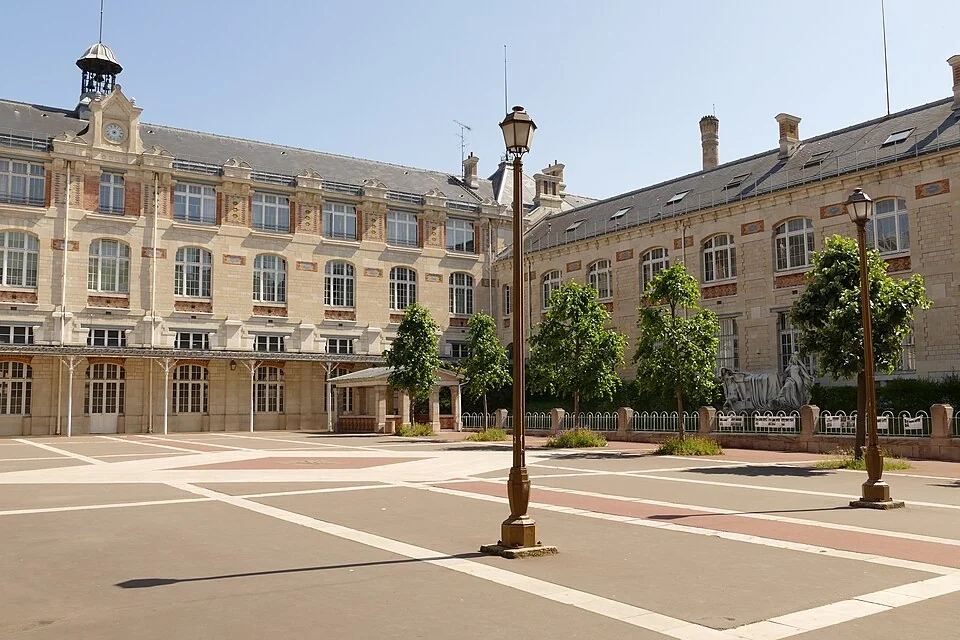
A family looking at a French lycée timetable this week may need one more piece of information. If the bus home changes, how is a message supposed to reach a pupil during the school day? Upper-secondary students returned to class on Tuesday under a new national restriction on phone use. The answer to that everyday question is likely to be found in the school’s own rules and arrangements.
A law promulgated on 24 August extended the restriction already in place in primary and lower-secondary schools to lycées. It concerns pupils’ use of mobile phones and other electronic communications devices. The education ministry says it applies on school premises and during teaching activities held outside them. The government’s stated aims include concentration and a calmer school environment. The opening days of term are too early to measure any such effect.
What the school decides
A national principle does not tell a pupil where to put a particular device on arriving in the morning. The education ministry requires internal rules to set out how each establishment implements the restriction and to identify exceptions needed locally. Schools may provide for educational use and for situations involving facilities such as a library, canteen or boarding accommodation.
That makes the written rules worth reading even for a pupil moving between two lycées in the same town. One might have a particular arrangement for storing devices or for an activity that uses them. An older sibling’s experience elsewhere is a poor guide to what a teacher expects in a new building. The government says confiscation is possible for a breach, subject to the arrangements set out in the school’s rules.
The conversation before the first message
Families can settle a few practical matters without making assumptions about exemptions. Which office takes urgent messages? Where does a pupil go if a usual collection arrangement changes? What are the arrangements for checking travel information when the school day has ended? A written contact number can be a useful backup when a familiar number is saved only in a phone.
The ministry also distinguishes devices used by pupils with a disability or a disabling health condition. The restriction does not apply to those uses. A family can discuss how a necessary device will be recognised in practice, especially when several staff members supervise different parts of the day. The principle is clearer when it is understood before a pupil is unexpectedly challenged in a corridor.
The first test of the change will be an ordinary school day. If pupils know when a device is put away, when a particular use is allowed and how an urgent message will reach them, they can spend much less of that day negotiating the rule itself.