- ECDC identified 77 affected areas in nine countries by 13 August.
- Affected areas are geographic reporting units, not a count of infections or a personal risk score.
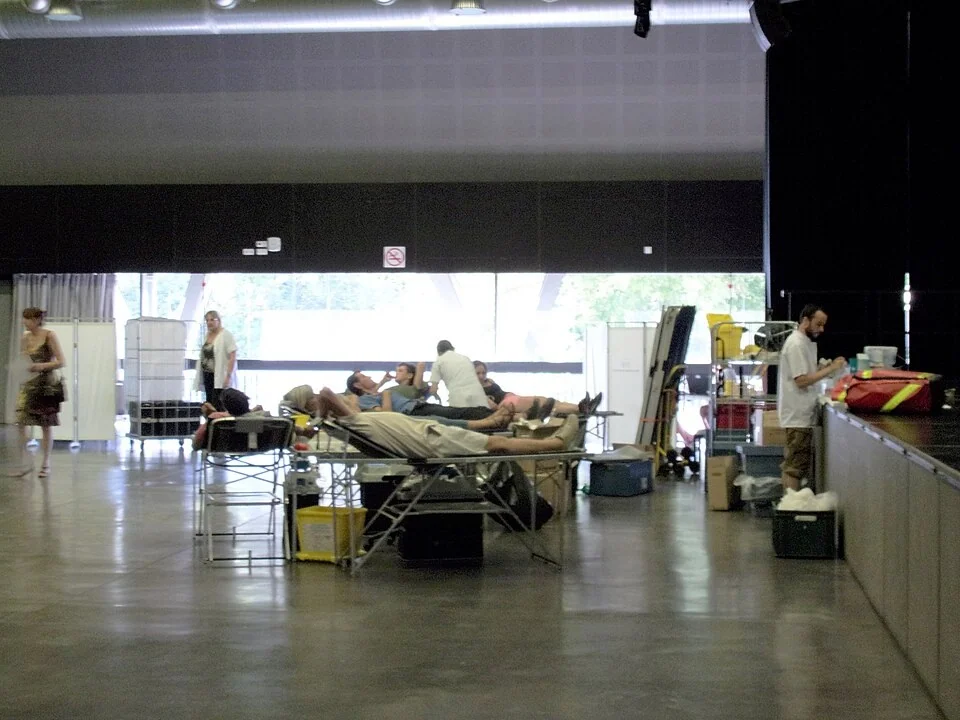
- European blood establishments use a temporary deferral rule or specified testing after travel to a risk area.
Inside this story 2 perspectives
A person who returns from holiday feeling perfectly well may still be asked where they travelled before giving blood. In its mid-August update on West Nile virus, the European Centre for Disease Prevention and Control identified 77 affected areas in nine countries. The map serves several audiences. For blood services, it helps turn a traveller’s list of places and dates into a decision about a donation.
The figures covered reports up to 13 August. Italy accounted for 40 of the affected areas, Greece for 13 and Romania for 12. The remaining areas were in France, North Macedonia, Spain, Germany, Kosovo and Serbia. Nineteen areas appeared in the affected category for the first time that season during the latest reporting week. Those are counts of geographical units. They do not mean that every visitor to an affected area faced the same risk or that there were only 77 infections.
Why a date matters at the donation appointment
ECDC explains that European Union and European Economic Area blood establishments should temporarily defer donors for 28 days after they leave an area where locally acquired West Nile infections pose a risk. The rule has an exception where an individual nucleic acid test is negative. The agency’s surveillance helps the relevant authorities determine which areas to apply that blood-safety measure to as the season unfolds.
A returning traveller can make that conversation easier by naming the places visited and the dates of travel. Simply answering that a holiday was spent in Italy, for example, provides less information than identifying where the person stayed and when they left. Blood-service staff can then apply the rules relevant to their service. A temporary deferral is a precaution concerning a particular donation. It does not establish that the traveller has an infection.
What the map can tell a traveller
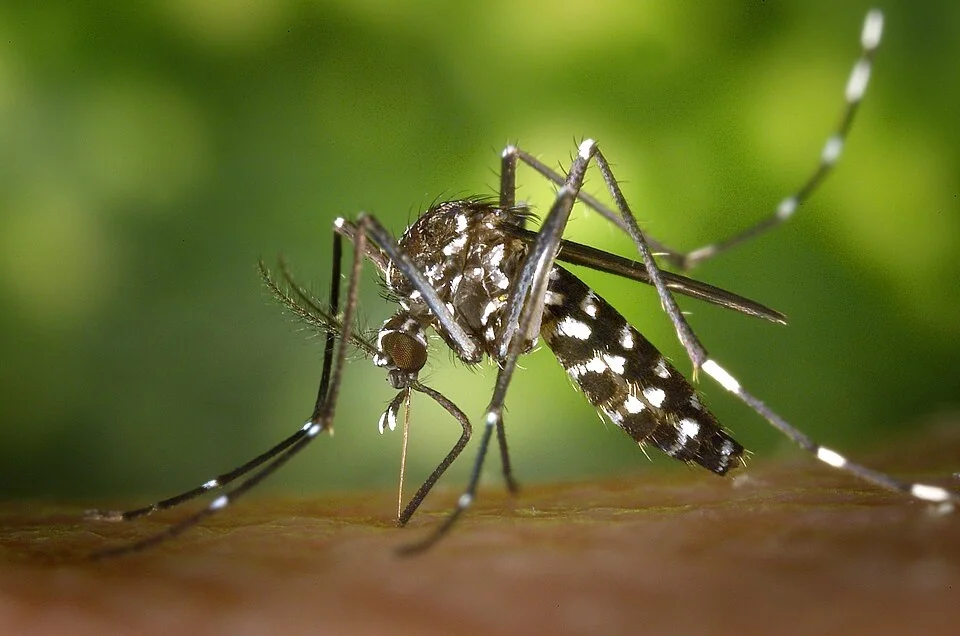
West Nile virus can be transmitted to people through mosquito bites. The US Centers for Disease Control and Prevention advises preventing bites, including using an appropriate insect repellent according to its label and wearing protective clothing. Information about local conditions and standard bite prevention can be useful to anyone spending summer evenings outdoors, whether or not a blood donation is planned.
The map has a timetable of its own. ECDC updates its seasonal reporting as national authorities submit information. An area added this week may have people who became ill before this week. Changes in the map therefore describe changes in the reported picture, as well as the geographic distribution of infection. The useful habit for a traveller is to retain the itinerary. It can answer a question at the donation appointment long after the suitcase has been unpacked.