- Egypt and South Africa launched the council on 2 October at the Alamein forum.
- South Africa reports that direct two-way trade rose 26% to R4.3 billion in 2025.
- Tyres, motorcycle parts and motor-vehicle seats are among the opportunities its trade department identified.
Inside this story 2 perspectives
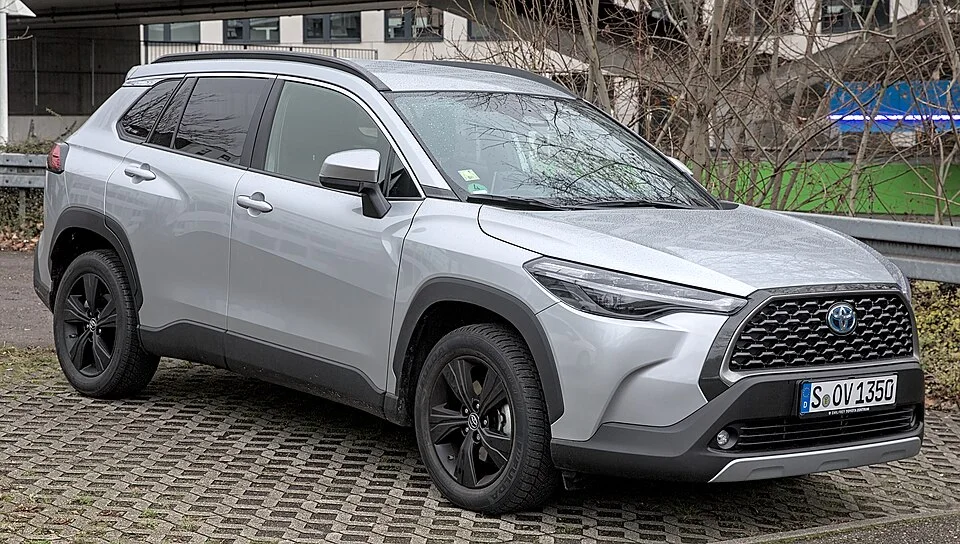
A car seat is a much smaller unit of ambition than an industrial corridor stretching from Cape Town to Cairo. It is also easier to tell when somebody has bought one. South Africa's trade department identified motor-vehicle seats among the export opportunities it sees in Egypt as the two countries launched a joint business council on 2 October. Its other examples included new tyres for motor cars and parts and accessories for motorcycles.
The council was launched during an automotive investment event at the Alamein Africa Forum in Egypt. Its brief reaches into agriculture, mining, infrastructure and renewable energy. Cars nevertheless give the two sides a specific industry in which to test the idea. A vehicle requires many inputs made by different businesses. A country can gain business from its neighbour's vehicle industry without having to sell a finished car into the same market.
Start with trade already taking place
South Africa's trade department put direct bilateral trade at R4.3 billion in 2025, up from a rounded R3.4 billion the previous year. It reported growth of 26 per cent. South African exports to Egypt reached R1.6 billion, against R1.3 billion in 2024. On these direct trade figures, South Africa recorded a deficit with Egypt in each year from 2021 through 2025. Egypt was already South Africa's largest export market in North Africa, according to the department.
These amounts are a baseline for the council. The two countries traded before the announcement, and a change in the total after it will need some interpretation. A higher price for an existing product can increase the rand value of trade without adding a supplier. A first order from an Egyptian manufacturer to a South African components business would answer a more specific question about the partnership.
Follow a component as far as the factory
A prospective buyer of seats needs to know which vehicle they fit, whether the supplier can meet its standards and whether the shipment can arrive when the assembly line needs it. The manufacturer has a different list of questions, including order size, frequency and the cost of delivery. Opening a conversation between those two firms would be a practical use of the new council. The launch announcement itself provides no guarantee that such a contract will be signed.
The trade department also lists a proposed private-sector joint-venture investment fund among the initiatives associated with the council. Capital could help a supplier add equipment or capacity after a credible order appears. The first useful evidence to look for is therefore quite ordinary. A named customer, a component, a delivery timetable and a supplier able to fulfil it would say more about the automotive ambition than the length of the corridor on a map.