- The African Group questioned the baseline for tripling adaptation finance and was willing to accept the compromise.
- Delegates failed to agree on the two proposed Antalya Pact texts when the conference closed on 22 November.
- Separate decisions on adaptation, the Adaptation Fund and the just transition work programme were adopted.
Inside this story 2 perspectives
Triple the money for adapting to climate change. It sounds like a target a finance minister could take home from a summit. In Antalya on Sunday, African negotiators pointed out a missing number. Triple what? The proposed pact gave them no clear starting figure against which to measure what governments would deliver.
Zimbabwe and its neighbours have a practical interest in the answer. Consider a town weighing the cost of widening a storm drain that floods the road to a market. Its engineer can price the work. Its treasurer needs to know how much outside funding might be available, on what terms and when. Even an agreed global target would leave most of those questions open. Without a baseline, the treasurer would struggle to tell how much additional money the promise represented in the first place.
What African negotiators were prepared to accept
According to the International Institute for Sustainable Development’s account of the final session, the African Group raised three concerns. Alongside the missing baseline, delegates questioned how governments would deliver on a proposed roadmap from Antalya to Addis Ababa. They also wanted the text on a fair transition for workers and communities to reflect economic conditions in Africa. Even with those reservations, the group was willing to accept the compromise.
Other delegations held out. The European Union objected to the omission of fossil fuels. The Marshall Islands and Vanuatu challenged proposals they feared would prolong fossil fuel use. The least developed countries questioned whether the finance on offer would leave them carrying more of the cost themselves. With objections still on the floor, the presidency closed the conference on 22 November without securing agreement on either of the two texts that made up the proposed Antalya Pact.
What survived the final session
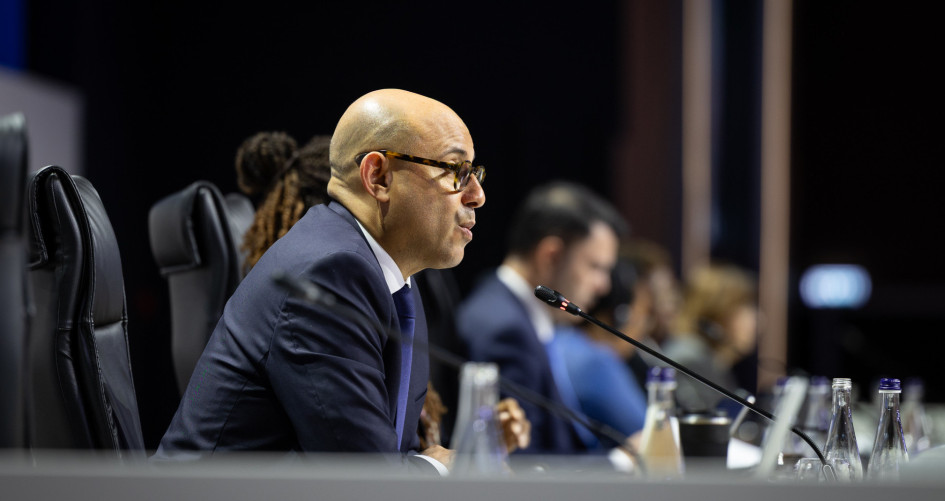
Governments did agree on separate decisions covering the Global Goal on Adaptation, the Adaptation Fund and the work programme on a just transition. Those decisions have a life beyond the two texts that failed. There was movement outside the negotiations too. UN climate chief Simon Stiell told delegates that countries accounting for around half the world economy were accelerating electrification through individual pledges and the leaders’ summit. His measure described the size of the economies involved. It put no figure on money available for a particular project.
For a finance ministry drawing up next year’s budget, those distinctions matter. It can follow decisions on the Adaptation Fund, ask which projects qualify and seek terms it can put before a council or legislature. For the market town with a flooded access road, the figure that will ultimately make a difference is one a contractor can build to, attached to a funding decision and a date. Sunday’s negotiations left that work ahead.