- Grains volume rose 7.3% despite price deflation of 9.5% in the year ended September.
- Lower input costs, a recovery in rice and pasta, and greater factory throughput helped lift operating income.
- The group has identified its pasta plant and Jungle breakfast cereal line as investment priorities.
Inside this story 2 perspectives
Tiger Brands sold its grains at lower prices this year and made considerably more money on them. The South African food producer’s annual results, released on Thursday, put its operating margin for the division at 16.2%, up from 10.4% a year earlier. That is the difference between keeping a little over R10 of operating profit from every R100 of sales and keeping just over R16.
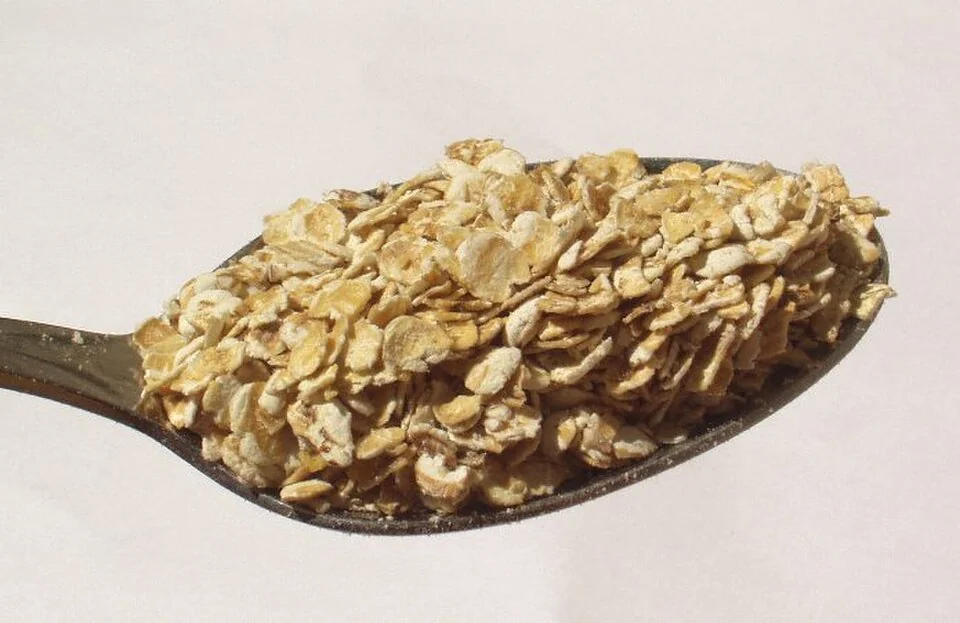
The group that makes Jungle breakfast cereals reported price deflation of 9.5% in grains in the year to 30 September. Volume rose 7.3%. A shopper looking at one packet of rice would struggle to reconstruct either figure. They describe a manufacturer’s sales across a whole division, with different products and pack sizes going into the calculation. They do, however, explain why measuring a food business by the rand value of sales alone can be misleading.
What a busier factory changes
Tiger attributed the improvement to lower commodity costs, more efficient production as volumes rose, and a recovery in rice and pasta. All three matter. Buying grain more cheaply reduces the cost of what goes in the packet. Running more product through a line spreads some of the cost of that line over more packets. And the balance of what customers buy determines how much of the gain survives at the end of the year.
The company said it had made pricing moves in hot cereals and rice and that Jungle had gained volume share. Grains delivered R6.9 billion in revenue and R1.1 billion in operating income. The latter figure rose 52.9%. Milling and baking had a different year. Reported volumes there fell 3.3% and revenue dropped 2.9% to R8.3 billion. The disposal of the Randfontein wheat mill also affected that comparison.
The next investment follows breakfast
Tiger named its pasta plant and the Jungle breakfast cereal line among its capital priorities. It is putting capacity behind categories that helped carry this year’s result. Management also flagged the prospect of El Niño as a risk to supplies. The price at which the company can buy its next crop is one variable its factory improvements cannot settle.
The group’s own two revenue totals help put the grains result in perspective. Reported sales slipped 0.5% to R34.2 billion, on a comparison that includes businesses since sold and products since discontinued. Excluding those items, sales rose 3.3% to R33.4 billion. On that comparable basis, volume grew 4.5%, ahead of management’s target range of 1% to 3%. For the next financial year, the company still expects pressure on household incomes. A second year of stronger margins would require more than a repeat of the past year’s commodity prices.