- The Bank of Canada raised its overnight target by 0.25 percentage points.
- National Bank announced that its prime rate would reach 4.70% on 29 October.
- A borrower’s contract determines the effect on interest and scheduled payments.
Inside this story 2 perspectives
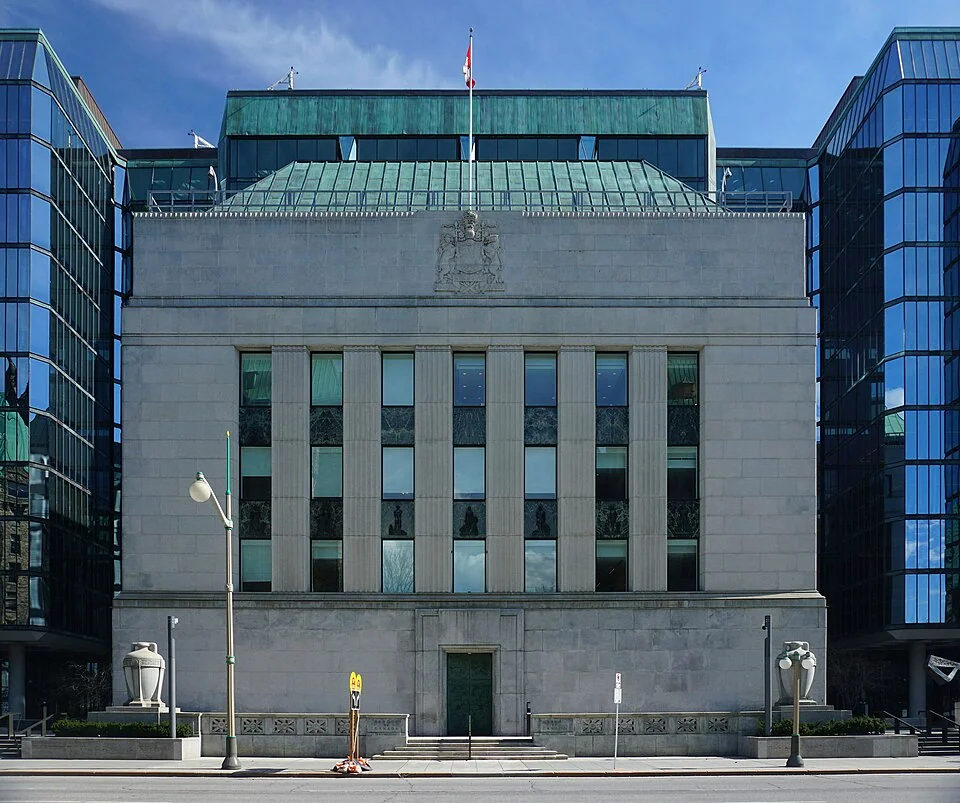
On Wednesday, 28 October, the Bank of Canada raised its overnight interest-rate target by a quarter of a percentage point to 2.5%. A few lines in a separate announcement gave borrowers at one commercial bank another date to mark. National Bank said its prime rate would increase by the same amount to 4.70%, effective Thursday, 29 October.
The numbers measure two different things. The central bank sets a target for overnight interest rates as part of monetary policy. A commercial bank sets its own prime rate, which can serve as a reference for household and business borrowing. A customer with an agreement priced at prime plus a fixed margin must look to the relevant lender’s figure to find the rate applying to the account.
Suppose an interest calculation uses a constant balance of C$20,000 for a full year. An increase of 0.25 percentage points adds C$50 in simple annual interest on that balance. This example excludes principal repayments and compounding. It explains the size of the rate change without attempting to predict the next debit on an actual loan, where the balance, dates and payment arrangement can all differ.
Why the bank moved
The increase was the first since July 2023. In its October statement, the Bank of Canada explained that persistently high energy prices could spread through the rest of the economy. Higher fuel prices already affect the cost of producing and moving goods. A firm facing those costs has to decide how much it can absorb and how much to pass on to buyers.
The decision involved a genuine tension. The central bank said September inflation excluding gasoline was 2.2%, while measures of core inflation remained close to 2%. There was still spare capacity in the economy, and some industries were dealing with the effects of US tariffs. The concern prompting the increase was what could happen as higher costs worked through prices over time. The bank’s projections and its policy action are different kinds of evidence. Only the latter has an effective rate today.
Find the reference in the agreement
For an existing borrower, the first document to find is the agreement specifying whether the rate is fixed or linked to a benchmark. The next details are the lender's name, the stated margin and the date on which a change takes effect. A fixed-rate loan generally carries its agreed rate through its current term. On a variable arrangement, whether the regular payment changes also depends on the terms.
A person comparing offers after Wednesday’s decision can use the same approach. Two advertised rates expressed as “prime plus” need a common reference date and the named lender’s prime rate before the arithmetic means much. National Bank’s short notice supplies those details for one institution. The policy announcement alone supplies neither the borrower’s margin nor the precise cost on their next statement.