- Bank Rate rose a quarter of a percentage point to 4%.
- Eight members backed the increase, while Catherine L Mann preferred half a point.
- The bank distinguished the direct effect of energy prices from as-yet limited evidence of broader effects on wages and prices.
Inside this story 2 perspectives
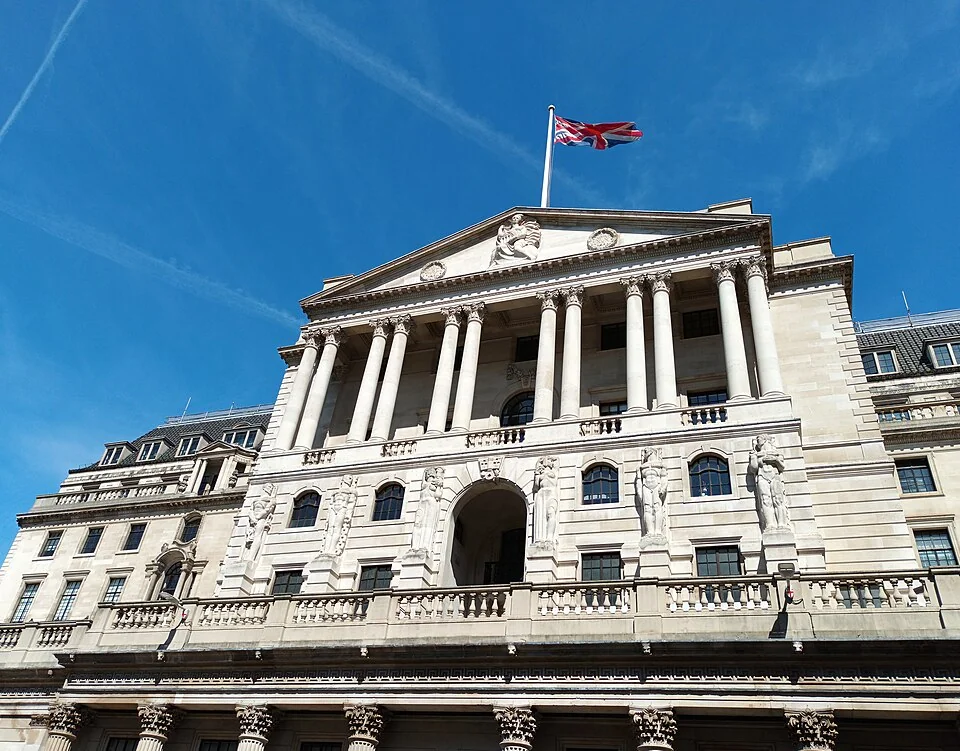
An eight-to-one vote on an interest-rate increase can be read too quickly. The single dissenter might have wanted no change, a smaller increase or a larger one. In the Bank of England’s decision published on 5 November, it was the last of those. Eight members of the Monetary Policy Committee supported a quarter-point rise to 4%. Catherine L Mann voted for half a point, which would have taken Bank Rate to 4.25%.
That makes the nature of the disagreement clearer. The committee agreed on the direction of policy. Its members were judging how forcefully to respond to rising inflation and the possibility that an energy shock could influence the wider setting of wages and prices. The meeting concluded on 4 November, with the decision and a new Monetary Policy Report released the following day.
What a rate increase can affect
Higher energy costs can reach a household directly through bills and indirectly through the prices businesses charge for goods and services. A central bank cannot produce extra energy by changing its interest rate. It can influence financial conditions and spending, and it can affect how confident people are that a period of high inflation will persist. The relevant question is how far an initial shock enters decisions made long after the first bill has arrived.
The Bank reported September consumer inflation of 3.5% and projected that it could reach around 5% by the middle of the following year. It also said evidence of knock-on effects on other prices and wages remained limited. Those statements are compatible. The bank can see a direct source of near-term inflation while remaining uncertain about what firms, employees and customers will do next.
Reading the minority view
Mann’s preference for a larger increase reflected concern about persistent price and wage dynamics and the credibility of the response, according to the minutes. The majority judged that a smaller step was warranted. A tally alone cannot tell a borrower where that disagreement lies. The account of individual votes supplies information that the single headline number leaves out.
For households, the immediate effect still depends on the financial arrangement. A variable borrowing rate linked to Bank Rate has a different timetable from a fixed deal that runs for another year. Deposit products also have their own terms. No one household rate is specified by the committee’s announcement. What the decision does identify is the new policy rate and the information members intend to watch, including pay, firms’ pricing and spare capacity in the economy. Those observations will inform a later meeting, whose outcome the committee has not promised.