- The July committee kept the federal funds target range at 3.5% to 3.75%.
- Three voters preferred an increase, making the disagreement about the degree of restraint.
- Paulson said persistent underlying inflation could itself warrant tighter policy.
Inside this story 2 perspectives
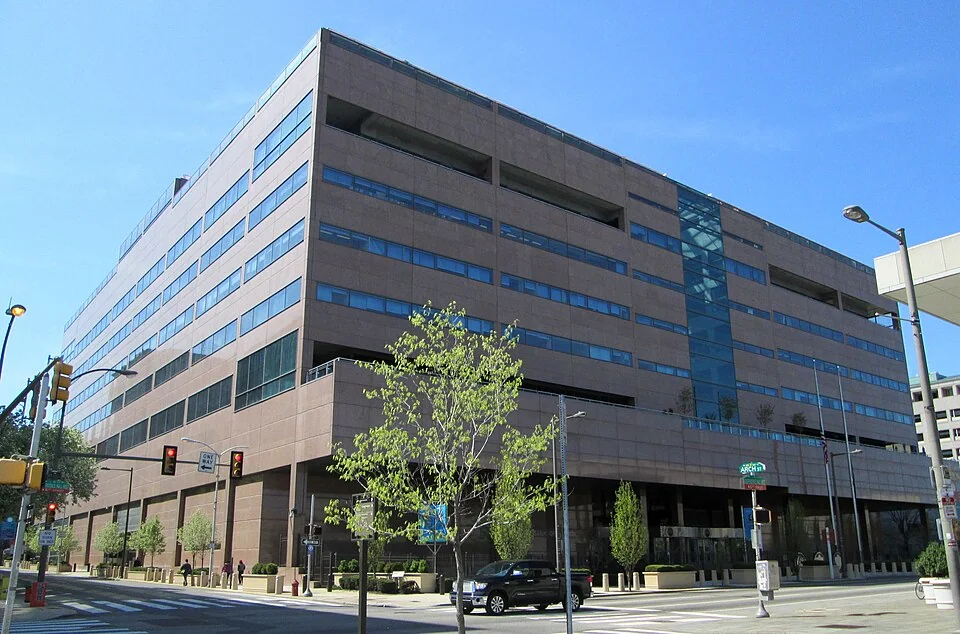
A central banker can vote to leave interest rates unchanged and still see a case for raising them. Anna Paulson, president of the Federal Reserve Bank of Philadelphia, explained the reasoning on 4 August. She had supported the Federal Reserve’s July decision to hold rates. As she saw it, the question for the next decision was what happened to underlying inflation while the committee waited.
On 29 July the Federal Open Market Committee retained a target range of 3.5% to 3.75% for the federal funds rate. Three officials preferred a quarter-point increase. That detail gives the hold a different meaning from a meeting at which the dissenters favour cuts. Some members already thought that the central bank needed to push harder against inflation. The majority allowed more time for policy to work.
One price shock and a longer trend
Paulson drew a distinction between energy prices reacting to events in the Middle East and price pressures that had endured through changes in the oil market. A disruption that pushes up energy prices can lift a household’s bills almost immediately. By the time a change in interest rates has filtered through decisions about hiring, credit or investment, that particular disruption may already have eased.
A persistent rise across more of the economy poses a different problem. Paulson put underlying inflation around 2.4% to 2.8%, above the Fed’s 2% goal. Recent improvement encouraged her, but she wanted further evidence. If the present policy setting was doing enough to restrain demand, she expected progress to become more apparent with time. If little changed, the accumulating evidence would itself strengthen the argument for tighter policy.
What a borrower can actually observe
Consider a business that expects to refinance a dollar loan in six months. July’s decision tells it something precise about the overnight target on the day of the meeting. It tells it much less about the rate a lender will quote for that future loan. The term, the borrower’s credit standing and the lender’s own cost of funds can all matter. A regional Fed president’s assessment adds insight into one vote, but it cannot settle those other questions.
There is a practical way to read the next round of figures. Does a fall in headline inflation come mainly from cheaper energy? Do measures that try to capture the underlying trend also ease? What is happening to employment as those prices change? For Paulson, sustaining full employment sits alongside the inflation objective. The July disagreement and her August account leave borrowers with a clearer picture of what policymakers are weighing. Neither supplies a date for their next move.