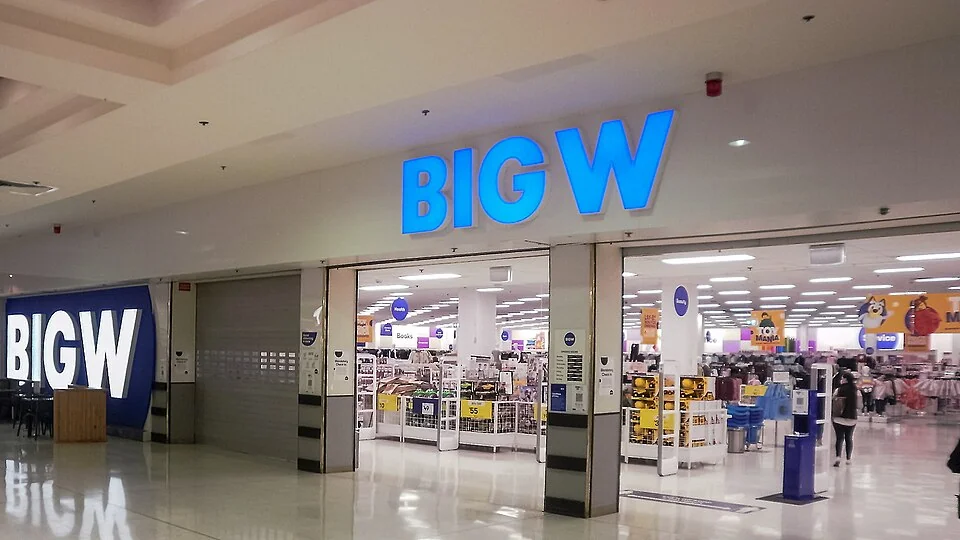
- BIG W reported earnings before interest and tax of A$64 million after a A$33 million loss a year earlier.
- Group sales grew 3.6% to A$71.5 billion in the 52 weeks ended 28 June.
- Group net profit after significant items was A$1.138 billion, up 18.1%.
Inside this story 2 perspectives
A winter jumper can be a success in the design room and a loss on the shop floor. If it reaches stores late, sells out in the sizes people want, or stays on the rack until the weather changes, a retailer may have to cut its price. Australia’s BIG W has put the relationship between clothes, stock movement and profit in unusually clear view.
The discount chain reported earnings before interest and tax of A$64 million for the 52 weeks to 28 June 2026. A year earlier it had lost A$33 million on that measure. Parent company Woolworths Group attributed the A$97 million swing in part to better movement of stock through the business and to changes in the clothes it offered. It published the figures on 26 August.
What happens between buying and selling
A retailer makes a buying decision well before it knows precisely which items people will take home. The value of getting it right shows up in gross margin, the money left from sales after accounting for the cost of the goods sold. An item that can sell near its intended price contributes more than the same item cleared at a deep discount. A clothing range that customers want also helps only if the right sizes are in the stores or available to order.
That is one way a discount business can improve earnings without abandoning its appeal to shoppers watching prices. It is also why the margin improvement at BIG W cannot tell households whether a typical grocery basket became cheaper. The chain sells a different mix of goods, and an operating result captures more than the price printed on a label.
Three figures that belong on different lines
Across the Australian group, sales increased 3.6 per cent to A$71.5 billion. Its core Australian food business gained momentum in the second half, according to the company. Online sales across the group rose 15.9 per cent to A$10.6 billion. That last figure is a way of looking at how customers placed orders and is already included in overall sales.
The closest group figure to the profit a shareholder will see in the statutory accounts is A$1.138 billion in net profit after significant items, up 18.1 per cent. The company also showed A$1.599 billion before those items. Both numbers can be followed from one year to the next, provided the comparison keeps the same definition.
BIG W’s A$64 million sits on a different line again, before interest and tax and for a single division. Its return to profit gives readers a specific commercial change to follow next year. If the clothing range keeps selling at the intended price and inventory reaches customers on time, the benefits should still be visible after this year’s favourable comparison with a loss has passed.