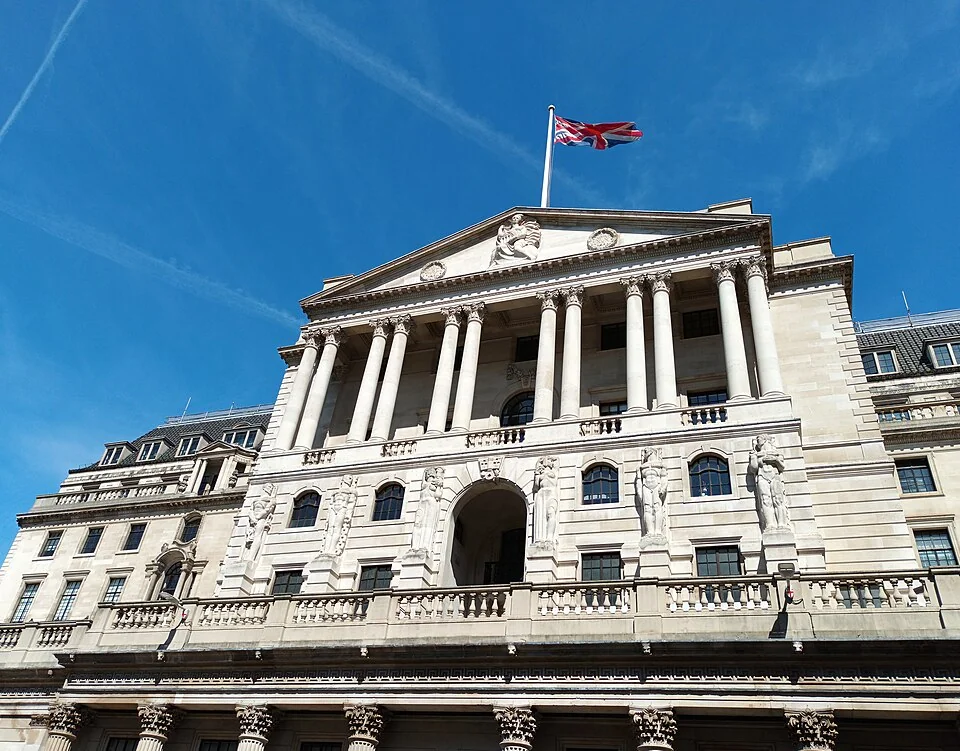
- UK public sector net borrowing was £18.3 billion in August 2026.
- Borrowing from April to August was £2.2 billion below the prior year and £8.1 billion above the March forecast.
- At the end of August debt had risen in pounds while falling as a share of the economy.
Inside this story 2 perspectives
In August the British public sector spent £18.3 billion more than it took in. That was £2.9 billion more borrowing than in August last year and £3.5 billion more than the Office for Budget Responsibility had forecast. On their own those comparisons make the direction look straightforward. Extend the window back to April and the answer changes.
Figures published by the Office for National Statistics on 22 September put net borrowing in the first five months of the financial year at £77.3 billion. That was £2.2 billion less than in the same stretch of 2025. The budget watchdog, however, had expected a larger improvement. Its March forecast, broken down into months, put the cumulative figure £8.1 billion below the latest estimate. A government can reduce its deficit and still be missing the path against which its plans are assessed.
Put the receipts in the right month
Tax collections make a poor candidate for a simple month-by-month extrapolation. The statistics office groups July and August together when discussing receipts from self-assessed income tax. The combined total this time was £18.6 billion, up £1.9 billion from a year earlier. That gives a clearer picture of this particular stream of money than treating the proportion arriving in a single month as the underlying trend.
A reader trying to draw a conclusion about the full year also needs to allow for revisions. September is a month when the statistics office incorporates annual information and methodological changes. Figures for earlier months can move even as the latest month's estimate arrives. Five months of data say where the accounts stood on the available information. They leave another seven months of receipts and spending still to come.
Count the pounds, then look at the denominator
Borrowing measures the shortfall over an interval. The debt number measures a balance on a particular date. At the end of August public sector net debt stood at a provisional £2,985.5 billion, £78.5 billion above its level a year earlier. Relative to the size of the economy, it stood at 93.8 per cent of gross domestic product, down 1.3 percentage points over the year. A larger economy can carry a higher number of pounds of debt and show a lower percentage.
There is no need to choose one headline as the whole account. For a question about the strain on a single month's finances, use August's shortfall. For progress since the financial year began, compare like months and keep the official forecast alongside them. For the size of the obligation inherited from previous years, read the balance sheet. An extra £8.1 billion against a five-month forecast is a specific piece of information. Turning it into the final bill for the year would throw away the most important words in that sentence.